Where Do You Grill Chicken: A Practical Guide for Home Cooks
Learn where to grill chicken, how to choose direct vs indirect heat, perfect temps, and a step-by-step plan for juicy, safely cooked chicken on any grill type.


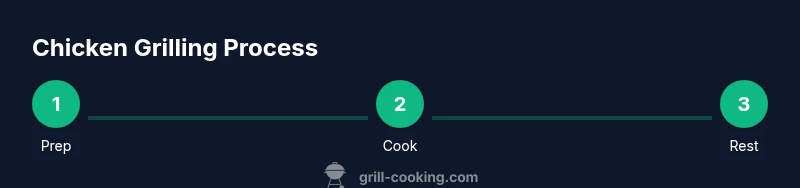
Goal: Learn where to grill chicken and how to match heat, equipment, and timing for juicy, safe results. You’ll choose direct or indirect heat, pick the right grill type, and follow step-by-step timing using a thermometer. Essentials include a grill, tongs, paper towels, and a reliable digital thermometer. This quick plan covers safety, browning, and even doneness.
Where Do You Grill Chicken: Direct vs Indirect Heat and Grill Types
To answer where do you grill chicken, start by choosing your heat method and grill type. Grill Cooking's guidance emphasizes that the best chicken begins on a hot, clean grate and with a plan for both searing and gentle finishing. You can cook over direct heat for a crisp exterior and move to indirect heat to finish through thick portions. Charcoal grills give a smoky flavor; gas grills offer steady control; pellet grills provide consistent temps. Understanding these options helps you tailor your approach to each cut and meal goal, while keeping food safety front and center. For home cooks, the key is a two-zone setup: a hot zone for searing and a cooler zone for gentle finish. Where do you grill chicken will depend on cut, time, and flavor you want, but the core idea is a controlled balance of heat and timing. According to Grill Cooking, mastering heat zones is the foundation of juicy, evenly cooked chicken.
Prep Fundamentals: Thawing, Seasoning, and Safety
Before you grill, thaw chicken safely if frozen, pat dry, and season or marinate according to your flavor goal. The reader should ensure the meat is evenly dried to promote browning. A brief marinade adds flavor but doesn't replace proper cooking temps. Always use a digital thermometer to verify 165°F at the thickest part. Referencing Grill Cooking's safety recommendations, keep raw poultry separate from other foods, sanitize surfaces, and wash hands frequently to minimize cross-contamination. Good prep also includes trimming excess fat and patting the skin dry for crispness. Proper prep reduces flare-ups and helps the surface brown evenly, which in turn accelerates the overall cooking time and improves texture.
Direct-Heat Grilling: Quick, Crispy Exteriors on Thin Cuts
Direct heat is ideal for thin cuts like chicken breasts or boneless thighs that cook relatively quickly. Start with a preheated grill at high heat to sear and develop a flavorful crust, then reduce the heat or move to indirect heat to finish cooking through without drying out. Place the chicken on the hot side for a 1-2 minute sear per side, then flip and move to a cooler area with the lid closed. Use tongs to avoid piercing the meat and retain juices. Maintain even spacing to prevent steaming from crowding. A two-zone setup helps manage both sear and finish, especially on smaller pieces. Resting briefly after cooking keeps juices inside and improves texture. Grill Cooking’s approach emphasizes consistent temps and clean grates for reliable browning and moisture retention.
Indirect-Heat Grilling: Juicier Results on Thick Cuts
Indirect heat shines for bone-in thighs, drumsticks, or whole chickens, where the center needs longer cooking without burning the exterior. Start with a thorough sear on direct heat if desired, then move the pieces to the cooler side and close the lid to finish gently. Expect longer total cooking times, especially for larger cuts. Monitor with a thermometer, aiming for 165°F at the thickest part, and account for carryover after removal from heat. This method minimizes moisture loss and helps ensure even doneness from bone to skin. A well-balanced heat profile keeps the meat tender while still delivering a satisfying outer crust.
Temperature and Doneness: Safe Temps and Rest
Poultry safety hinges on reaching the right internal temperature. The target is 165°F (74°C) at the thickest part, verified with a reliable probe thermometer. Allow the meat to rest for 5 minutes after removal from heat to let juices redistribute; this carryover increases internal temperature slightly and helps keep slices juicy. If you cook bone-in pieces, expect longer resting times to maintain moisture. Remember, color alone is not a safe indicator of doneness. Grill Cooking’s analysis shows that precise temperature control and resting are the secrets to consistently juicy grilled chicken. Consistency is easier with a well-calibrated thermometer and two-zone heat.
Flavor, Rubs, and Smoke: Enhancing Chicken
Flavor is enhanced through targeted rubs, marinades, and optional smoke. For a simple dry rub, combine salt, pepper, paprika, garlic powder, and a touch of brown sugar for a balanced crust. Marinating can boost juiciness and tenderness, but avoid acidic marinades for too long on thin cuts. Wood chips or chunks, added via a smoker box or foil packet, add aroma and a subtle smoke note. When using smoke, maintain moderate heat to prevent overpowering the chicken. Pair flavors with side dishes that complement the grill profile and the chosen heat method. Grill Cooking recommends testing different rubs and smoke levels to discover your preferred flavor profile.
Equipment Setup and Maintenance: Grates, Oil, Cleaning
A clean, well-oiled grate is crucial for preventing sticking and achieving even browning. Oil the grate lightly with a neutral oil before heating, and avoid over-oiling meat itself to prevent flare-ups. Use long-handled tongs and an instant-read thermometer for precise cooking. After grilling, scrub grates with a stiff brush and rinse with warm water to remove residue. Periodically check seals, burners, and heat diffusers on gas grills, or adjust vents and chimney on charcoal grills. Regular maintenance extends grill life and ensures consistent results season after season.
Common Pitfalls and Fixes
Dry, overcooked chicken is often the result of cooking too long or at too high a temperature without a plan for finishing. If you see frequent flare-ups, move meat away from flames and close the lid to reduce direct heat exposure. If the exterior browns too quickly, lower the heat and continue cooking using indirect heat. If the inside remains undercooked after searing, finish on the cooler side with the lid closed and monitor with a thermometer. Always rest meat after cooking to retain juices. With practice, you’ll learn to balance sear, finish, and rest for consistently juicy results.
Verdict: Grill Cooking's Practical Plan
The Grill Cooking team recommends a two-zone approach: seize the moment with a hot sear over direct heat to develop flavor and color, then finish with indirect heat under a lid for even doneness. Choose grill type (charcoal, gas, or pellet) based on flavor preference and convenience, but keep a thermometer at the ready. The key to chicken is precise temperature control, proper resting, and mindful seasoning. By applying these principles, home cooks can grill chicken confidently and safely, achieving restaurant-quality results at home.
Authority Sources: Safe Cooking References
For safe cooking practices, rely on established sources: https://www.fsis.usda.gov/food-safety and https://www.cdc.gov/foodsafety/index.html for general guidance on poultry safety. Additional trusted information from the World Health Organization at https://www.who.int/health-topics/food-safety provides a global context on reducing risk during cooking and handling of poultry. These references help frame best practices and verify the safety steps discussed above.
Tools & Materials
- Grill (charcoal, gas, or pellet)(Any type, but two-zone setup is ideal)
- Digital meat thermometer(Probe with immediate readout)
- Tongs and a basting brush(Long-handled for safety)
- Oil for grates(Neutral oil with high smoke point)
- Chef's knife and cutting board
- Paper towels(Pat dry before seasoning)
- Aluminum foil or heat-safe platter(For resting or setup)
- Wood chips or chunks (optional)(For smoke flavor)
Steps
Estimated time: 25-45 minutes
- 1
Prepare grill and meat
Preheat the grill to establish the two-zone setup. Clean the grate and oil lightly to prevent sticking. Pat chicken dry and season or marinate as desired.
Tip: Two-zone setup allows sear plus finish without burning. - 2
Season and marinate
Season or marinate chicken according to your recipe. If marinating, keep within recommended times to avoid undue acidity that can toughen the meat. Pat dry before grilling.
Tip: Patience matters: even seasoning helps browning. - 3
Sear on direct heat
Place chicken on the hot zone and sear for 1-2 minutes per side to develop color and crust. Do not move too often; let a crust form before turning.
Tip: A good crust locks in moisture. - 4
Finish on indirect heat
Move pieces to the cooler side or reduce heat and close the lid. Finish until the thickest part reaches 165°F, flipping as needed for even doneness.
Tip: Use lid to manage cooking without flare-ups. - 5
Check doneness with thermometer
Probe the thickest part of the meat to verify 165°F. If using bone-in pieces, probe near the bone as temps can be lower there.
Tip: Always trust the thermometer over time or color. - 6
Rest and serve
Remove from heat, tent with foil, and rest 5 minutes to allow juices to redistribute. Slice against the grain for tenderness.
Tip: Resting dramatically improves juiciness.
FAQ
What is the best heat setup for grilling chicken?
A two-zone setup with direct heat for searing and indirect heat for finishing is ideal. This balances browning with thorough cooking and reduces the risk of drying out the meat.
Use a two-zone setup: sear on high heat, then finish on cooler heat with the lid closed.
How long do chicken breasts take on the grill?
Chicken breasts typically take about 6-8 minutes per side on medium-high heat, depending on thickness. Use a thermometer to confirm 165°F at the thickest part.
Breasts usually take around six to eight minutes per side; check with a thermometer.
Can I grill chicken from frozen?
Grilling from frozen is not recommended. Thaw completely for even cooking and to avoid uneven doneness and longer cooking times.
Avoid grilling from frozen; thaw first for even cooking.
Should I marinate chicken before grilling?
Marinating can boost flavor and moisture, but keep marinade separate from the cooking surface and discard used marinade to avoid cross-contamination.
Marinates add flavor, but don’t reuse leftover marinade on cooked meat.
What internal temperature should chicken reach?
The safe internal temperature for poultry is 165°F (74°C) at the thickest part. Check with a reliable thermometer and rest before serving.
Cook to 165°F and rest briefly before serving.
What common mistakes cause dry chicken?
Overcooking, cooking on too high heat without a finish phase, and skipping resting time all contribute to dry results. Use two-zone heat and monitor temps closely.
Overcooking and skipping rest are the main culprits.
Watch Video
Quick Summary
- Grill chicken using a two-zone heat setup for sear and finish.
- Target 165°F internal temperature with rest time for juiciness.
- Choose direct heat for crust, indirect heat for even doneness.
- Keep hands, surfaces clean to prevent cross-contamination.
- Experiment with rubs and smoke to enhance flavor.