Regulator for Propane Grill: How to Choose, Install, and Maintain
A practical guide to choosing, installing, and maintaining a regulator for propane grills. Learn how regulator choices affect flame consistency, safety, and fuel efficiency for home cooks.


A regulator for propane grill is a safety device that controls gas pressure from the tank to the grill burners, ensuring a stable flame and preventing dangerous spikes. It helps maintain even heat and efficient fuel use. Choosing the right regulator and verifying connections are essential steps for safe, consistent grilling.
What is a regulator for propane grill and why it matters
A regulator for propane grill is a safety device that sits between your LP cylinder and the grill’s burners. Its main purpose is to cap and stabilize the pressure of gas entering the burners, ensuring the flame stays within a safe and predictable range. Inconsistent pressure leads to uneven cooking, flare-ups, or even dangerous fuel release. For home cooks, understanding this part of the system is essential for reliable performance and peace of mind. According to Grill Cooking, selecting the right regulator and keeping connections tight is the foundation of safe grilling. When you properly match regulator type to your grill and cylinder, you reduce the risk of sudden flame surges or extinguished flames mid-burger flip. A well-functioning regulator also helps optimize fuel efficiency, meaning fewer trips to the propane tank and more consistent heat control across the cooking surface. In practice, you should treat the regulator as part of the grill’s safety system, not a throwaway component. Regular checks for cracks, leaks, or corrosion extend the life of your setup and keep you cooking with confidence.
How regulators affect flame control and safety
Regulators influence flame behavior by controlling gas pressure and flow rate into the burners. When pressure is stable, the burners respond predictably to the valve settings, delivering consistent heat across the cook surface. If the regulator is weak or mismatched to the cylinder, you may see a barely-there flame or roaring, unstable flames that cause uneven searing. Safety is built into the system by design, but improper use or damaged components can circumvent safeguards. Leaks, swollen hoses, or damaged fittings can lead to fuel buildup and fire hazards. Regular leak testing with a soap solution, never with an open flame, should be part of your routine before every cook. A well-maintained regulator also reduces fuel waste because the flame remains steady, making it easier to hit target temperatures without excessive blue flame or yellow tipping.
Types of propane regulators: standard, high-pressure, and low-pressure
There are a few regulator configurations you’ll encounter with propane grills. The standard regulator supplied with most residential units is designed for typical 20-pound LP cylinders and home-fire safety. High-pressure regulators are used for appliances that demand more precise control or higher output, such as some outdoor kitchens or special grills, and can deliver a stronger flame when needed. Low-pressure regulators are common in smaller, portable setups where lower pressure provides adequate heat while maximizing safety. The key distinction is not just the pressure rating but how the regulator interfaces with the cylinder connection and the grill’s internal hoses. Always verify compatibility with your specific grill model and cylinder size before purchasing.
How to choose the right regulator for your grill
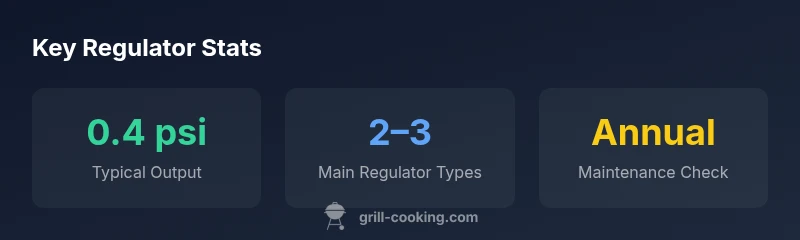
Start by identifying your grill model and cylinder type. Check the manufacturer’s manual for the recommended regulator type and connection size. If you own a modern home grill paired with a standard LP cylinder, a regulator-rated 0.4 psi (11 inH2O) is typically appropriate. If you own a high-output grill or an outdoor kitchen with larger fuel demands, a high-pressure regulator may be needed, but you should consult the grill’s documentation and a qualified technician. Consider the hose length and the distance from the tank to the burners; longer runs can introduce resistance and heat loss that affect performance. Finally, ensure all fittings and gaskets are intact and rated for propane use. Choosing the right regulator reduces waste, improves safety, and delivers more predictable searing and oven-like grill temps.
Installation, testing, and maintenance tips
Install the regulator by aligning the connection threads and tightening by hand, then snug with a wrench—do not overtighten. After installation, perform a leak test: apply soapy water to all joints while the system is pressurized; look for bubbles indicating leaks and tighten or replace parts as needed. When testing, never ignite the system; a flame can ignite leaking gas. Routine maintenance includes inspecting hoses for cracks or burns, checking the regulator for humming or buzzing sounds (which can indicate a failing diaphragm), and replacing aged components every few years or as the manufacturer recommends. Keep your grill outdoors in a well-ventilated area and away from overhead obstructions. Clean connections and maintain tight seals to prevent leaks and ensure a stable flame across the full cooking surface.
Common regulator problems and troubleshooting
Common regulator problems include flame instability, reduced heat, and odd noises such as buzzing when gas is flowing. If you notice flame color turning orange or yellow, this may indicate incomplete combustion or a lean gas mixture; address by cleaning jets or replacing worn parts. If flames flicker or go out during cooking, the regulator may be failing to deliver consistent gas flow. Leaks at the cylinder connection are a serious safety issue—shut off the tank, disconnect, and re-seat the regulator, then perform a leak test. In some cases, the propane cylinder valve itself may be the source of flow issues, requiring replacement. When troubleshooting, always consult the grill’s manual and prioritize safety over pushing through a problematic cook.
Regulator type vs. output pressure and typical use
| Regulator Type | Typical Output Pressure | Common Use |
|---|---|---|
| Standard | ≈0.4 psi (11 inH2O) | Most home grills |
| High-Pressure | 0.5–1.0 psi | Specialty grills or outdoor kitchens |
| Low-Pressure | ≈0.25–0.35 psi | Portable grills and small setups |
FAQ
What is a regulator for propane grill and why do I need it?
A regulator controls gas pressure from the propane tank to the grill burners, ensuring a safe, steady flame and preventing dangerous pressure surges. It’s essential for even cooking and fuel efficiency.
A regulator keeps the flame steady and safe so your grill cooks evenly every time.
How can I tell if my regulator is failing?
Signs of a failing regulator include fluctuating flames, unusually high or low heat, flameouts, or a buzzing sound. Leaks or corrosion at connections also indicate a problem. If you notice these, inspect or replace the regulator.
If the flame keeps changing or goes out, check the regulator and connections.
Can I use a regulator from a different grill?
Interchanging regulators is not recommended. Regulators are matched to cylinder size, hose length, and grill design. Using an incompatible regulator can be unsafe and void warranties.
Stick to the regulator your grill’s manual specifies.
How often should I replace a regulator?
Replace regulators if you notice leaks, corrosion, cracks, or persistent flame instability. Follow the manufacturer’s recommended replacement interval and inspect annually.
Replace if there are signs of wear or persistent issues.
Are there safety steps before lighting the grill?
Yes. Check for leaks with a soap-and-water solution, ensure all connections are tight, and never use a flame to test leaks. If you smell gas, turn off the tank and move away from the grill.
Always test for leaks first, never light if you suspect a leak.
What’s the difference between high-pressure and standard regulators?
High-pressure regulators deliver more gas flow for higher heat output, while standard regulators provide steady, moderate pressure suitable for most home grills. Always follow the grill’s specifications.
High-pressure is for more intense heat; standard fits most grills.
“Choosing the right regulator is not just about flame height; it’s about maintaining safe, predictable performance under all cooking conditions.”
Quick Summary
- Match regulator type to grill and cylinder for safe operation
- Stable pressure yields consistent heat and better fuel efficiency
- Regular leak testing and maintenance prevent hazards
- Understand your grill’s recommended regulator to avoid over- or under-pressurization
- Inspect hoses and fittings for wear to extend regulator life