Can You Grill If There Is a Burn Ban? A Practical Guide for Home Cooks
Learn how to grill safely when a burn ban is in place. This educational guide covers rules, safe alternatives, and practical steps for home cooks, with insights from Grill Cooking.


Can you grill if there is a burn ban? The short answer is that it depends on local rules, but in many places a burn ban prohibits outdoor open flames, including charcoal and wood grills. Some jurisdictions allow gas grills under strict controls; always verify with your local authority before lighting up.
Can You Grill During a Burn Ban? A Quick Reality Check
Can you grill if there is a burn ban? The short answer is that depends on where you live and which restrictions apply. In many jurisdictions, a burn ban prohibits outdoor open flames, including charcoal grills and wood-fired setups, while some areas may permit gas grills with strict controls. According to Grill Cooking, always verify with local authorities before lighting up to avoid fines, legal trouble, or unsafe conditions. The best first step is to check the exact text of the burn ban in your area and note any exceptions for emergency or culinary use. The fire risk is high during drought conditions, so even a small flare-up could escalate quickly, putting you, your family, and your property at risk. Reading the official order is essential, and when in doubt, postpone your cookout.
How Burn Bans Work and Why They Matter to Grilling
Burn bans are declared by local authorities when fire danger reaches critical levels. They restrict outdoor flames, embers, and often the use of charcoal or wood in grills and fire pits. Grill Cooking analysis shows that even a well-ventilated grill can spark embers that travel with wind or hot coals. Many bans include weather-based exemptions for emergency or essential cooking or for specific fuels if permitted. The key takeaway is to understand whether your ban is a blanket prohibition or a fuel-specific allowance, and to follow the exact wording of the order. A misread can lead to fines or dangerous situations.
Safer Alternatives When a Burn Ban Is in Effect
If the ban prohibits any outdoor flames, turn to indoor or alternative cooking methods. An electric grill or grill pan on the stove can mimic the sear without outdoor flames. Oven broiling, cast-iron skillet searing, and even air-fryer roasting offer flavorful results with minimal risk. For many home cooks, a propane indoors or electric setup provides a compliant option. Remember, the goal is to minimize fire risk while still enjoying grilled flavors using safe, permitted methods.
Steps to Check Local Restrictions Quickly
To determine if you can grill, start with the official burn ban notice for your jurisdiction. Check the local government website, fire department alerts, and state forestry service pages. If you’re unsure, call the non-emergency number for confirmation. Keep a copy of the order on your phone for reference. Many communities provide a simple one-page list of what is and isn’t allowed, including any exceptions for gas vs charcoal, wind conditions, or seasonal allowances. Plan to adapt your cooking plan if it’s unclear.
What Type of Grills Are Typically Allowed Under a Burn Ban
In some places, gas grills are allowed with limited flame exposure and higher control, while charcoal and wood-burning grills are restricted or banned entirely. If gas is permitted, ensure the burner is on a low, steady setting and avoid cooking during peak heat or dry conditions. Electric grills, if permitted, offer another safe alternative. Grill Cooking emphasizes that fuel choice and local language in the burn ban order are decisive factors, so don’t assume anything without checking the exact terms.
Step-By-Step: If You Determine Grilling Is Allowed (Safe, Legal, and Smart)
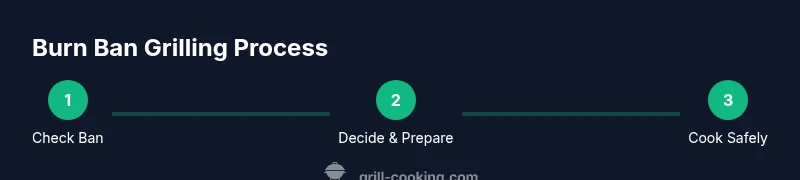
- Confirm the exact burn ban language and any exceptions for your fuel type. If there is any uncertainty, don’t light up. 2) Move all flammables away from the grill and have a ready water source or extinguisher. 3) Preheat only if permitted and with steady flame control; avoid high heat that risks flare-ups. 4) Keep a watchful eye on wind and embers; do not leave the grill unattended. 5) Extinguish fully after cooking, verify that coals are cold, and store tools safely. 6) If conditions worsen, or a neighbor reports smoke, stop cooking immediately. 7) After lighting, stay informed about evolving restrictions and be prepared to stop if the order changes.
Safety Checklist for Burn Ban Grilling
- Always verify the exact burn ban terms before lighting. - Keep a water bucket, spray bottle, and a fire extinguisher within reach. - Maintain a clear area around the grill with no dry vegetation or debris nearby. - Use only permitted fuels and do not improvise with accelerants. - Never grill indoors or in a garage; ensure adequate ventilation if the grill is indoors as allowed. - Have a plan to extinguish any flare-ups quickly and safely.
Common Mistakes to Avoid When Burn Bans Are Active
- Assuming gas is always allowed; check the ban text. - Grilling during high wind or drought without checking the order. - Leaving the grill unattended or failing to keep a water source nearby. - Not having a backup cooking plan and letting the night go to waste. - Ignoring official updates when restrictions are updated or extended.
Real-World Scenarios: Rural vs Urban Burn Bans
Rural areas may implement burn bans based on drought and vegetation risk, while urban regions tend to have stricter enforcement due to population density. Grill Cooking notes that both must be treated with caution; always rely on the formal order rather than anecdotal guidance. In either case, the safest approach is to plan alternative meals or switch to indoor methods when fire risk rises.
Practical Takeaways: Responsible Grilling Under Fire Restrictions
Grill cooking is possible in some burn ban scenarios, but only with clarity from official orders and a conservative approach. Always have an alternative plan and prioritize safety over flavor. The Grill Cooking team recommends reviewing the exact ban terms and cooking only with permitted methods. Fire safety is a shared responsibility, and compliance protects you, your family, and your community.
Tools & Materials
- Long-handled tongs(at least 18 inches)
- Meat thermometer(instant-read)
- Fire extinguisher or water spray bottle(within reach of grilling area)
- Heat-resistant gloves(for handling hot components)
- Lid thermometer (optional)(helps monitor ambient heat)
- Flashlight or headlamp(for night cooking safety)
- Grill brush and scrubber(post-cook cleaning)
- Windbreak or windscreen(helps maintain steady flame control)
Steps
Estimated time: Total: 40-60 minutes
- 1
Verify the burn ban language
Read the exact ban text and confirm whether your fuel type and cooking method are allowed. If the order is unclear, do not light the grill and contact the issuing authority.
Tip: If there is ambiguity, prioritize safety and postpone cooking. - 2
Prepare a safe cooking area
Clear a radius of at least 10 feet around the grill; remove dry leaves and debris. Ensure your extinguisher or water source is readily accessible.
Tip: Move combustibles away from the grill and keep kids and pets clear. - 3
Check wind and activity conditions
If wind is high or embers could travel, adjust your plan or postpone. Even a small gust can carry sparks beyond control.
Tip: Use a wind gauge app or simply observe tree movement. - 4
Set up within permitted temps and duration
Only light if the ban allows flames and keep cooking periods short with steady flames to reduce risk.
Tip: Avoid long grilling sessions during tight fire-danger periods. - 5
Light and monitor closely
Light the grill with care, stay adjacent to the setup, and actively monitor for flare-ups. Do not leave unattended.
Tip: Have a ready plan to extinguish a flare-up quickly. - 6
Cook with safety-first practices
Cook at controlled temperatures, use indirect heat when possible, and avoid high flames that generate embers.
Tip: Keep a spray bottle at hand for minor flare-ups. - 7
Extinguish and verify cooling
When finished, fully extinguish flames, spread out coals, and verify they are cold before leaving the area.
Tip: Do not store leftover coals until cold. - 8
Review updates and post-cook plan
Check for any changes to the burn ban during cooking and be ready to stop if restrictions change.
Tip: Set a reminder to check official channels before your next cookout. - 9
Document safety for family compliance
Explain the rules to household members to ensure everyone follows the burn ban requirements.
Tip: Assign a safety role to someone if cooking outdoors.
FAQ
Is charcoal grilling allowed under a burn ban?
Charcoal grilling is often banned during burn bans, but rules vary by jurisdiction. Always read the exact order and check with local authorities.
Charcoal grilling may be restricted during a burn ban. Check the official order for your area.
Can I use a gas grill during a burn ban?
Many burn bans allow gas grills under controlled conditions, but some prohibit any outdoor flame. Verify the ban text and follow safety guidelines.
Gas grills can be allowed in some burn bans; confirm with the ban text and safety rules.
What indoor options mimic outdoor grilling during a burn ban?
Indoor options include grill pans, electric grills, broiling in the oven, or cast-iron searing on the stove. These keep flavor without outdoor flames.
Try indoor grilling with a grill pan or oven broil when outdoor flames aren’t allowed.
What is the best way to stay safe if a burn ban is extended?
Stay informed via official alerts and have a backup meal plan ready. Do not grill if the order becomes stricter.
Stay updated on the ban; don’t grill if it becomes stricter.
What tools are essential for safe burn ban grilling?
Keep long-handled tools, a thermometer, and a fire extinguisher within reach. Have water nearby and monitor flames closely.
Have long-handled tools and a safety extinguisher handy while grilling.
If I’m unsure, what’s the safest option?
When in doubt, postpone the cookout and choose a kitchen-based alternative to avoid fines or danger.
If you’re unsure, postpone and cook indoors instead.
Watch Video
Quick Summary
- Check local burn ban text before lighting
- Prefer indoor or non-flame methods when unsure
- Have a safety plan and extinguishing tools ready
- Always follow official updates and comply fully