Is Grilled Cheese Good for You? A Nutrition-Focused Guide
Explore whether is grilled cheese good for you with a nutrition-first lens. Learn ingredient choices, healthier tweaks, and practical tips to fit this classic sandwich into a balanced diet.


Is grilled cheese good for you? The answer is nuanced: is grilled cheese good for you can be true when you choose whole-grain bread, lean cheese, and a light amount of fat. In a balanced meal, mindful portions and veggies elevate nutrition. The Grill Cooking Team provides practical tips to keep this classic sandwich aligned with healthy eating.
is grilled cheese good for you — Nutrition Basics
Understanding the core components of grilled cheese helps evaluate its health impact. This sandwich combines bread, cheese, and fat, each contributing calories, protein, and fats. For home cooks, selecting ingredients with nutrition in mind makes a big difference. is grilled cheese good for you in practice depends on portion size, bread choice, and dairy type. We’ll explore these factors and how to build a more nourishing version. The goal is to equip home cooks with practical guidelines rather than absolutes, recognizing that context—meal timing, activity level, and overall dietary pattern—matters more than any single item on the plate.
How Ingredients Shape Health Impact
Bread choice sets the foundation: white bread is softer but offers less fiber and micronutrients than whole-grain options. Cheese variety determines saturated fat and calcium; leaner cheeses reduce fat but may also lower flavor intensity. Butter or oil used for grilling adds calories; a light spray or a nonstick method can dramatically cut fat. Vegetables like tomatoes, spinach, or peppers add fiber and micronutrients without heavy calories. When you assemble a grilled cheese, think of it as a small meal that can be nutrient-dense with thoughtful ingredients.
Calorie and Fat Considerations: Realistic Ranges
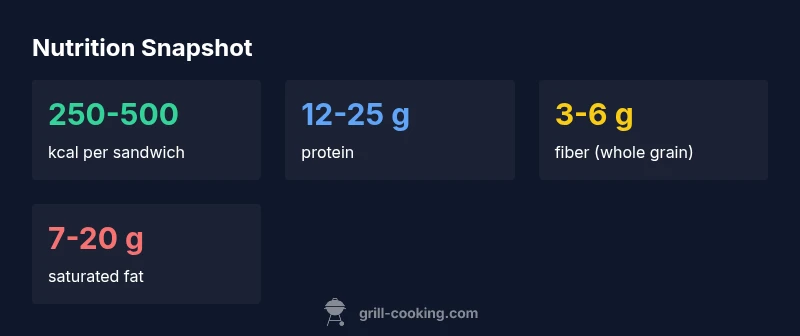
Calorie and fat content vary widely by size and ingredients. A typical home-grilled cheese sandwich can range from roughly 250 to 500 calories, with fat contributing a substantial portion of those calories. If you use white bread and full-fat cheese with a buttered skillet, the totals trend higher; swapping to whole-grain bread, lower-fat cheese, and olive oil spray reduces fat while preserving flavor. These ranges reflect common home-cooking practices rather than commercial menus.
Protein, Calcium, and Micronutrients You Get
Cheese is a meaningful source of protein and calcium, often delivering 6-12 g of protein per slice depending on the cheese. A single sandwich typically delivers 12-25 g of protein when you include one to two slices of cheese. Calcium is a standout nutrient in dairy cheese, contributing to bone health. Pairing with calcium-rich bread or a side of greens can optimize mineral intake and create a more balanced meal.
The Role of Fiber and Whole Grains
Fiber from bread influences satiety and gut health. Whole-grain breads provide more fiber and micronutrients than refined white bread, supporting slower digestion and longer fullness. Adding vegetables further increases fiber and volume with minimal calories. If you crave a classic texture, toast the bread lightly to enhance flavor without adding unnecessary fat, and consider seeds or grains in the bread for additional nutritional benefits.
Healthier Recipe Tweaks for Grilling Cheese
Make a healthier grilled cheese by choosing: (a) whole-grain or high-fiber bread, (b) lower-fat cheese or a blend with part-skim cheese, (c) healthy fats like olive oil spray instead of butter, and (d) veggie additions such as spinach or tomato. Grill on a nonstick skillet or use a cast-iron pan to reduce sticking without extra fat. You can also add a drizzle of olive oil or balsamic glaze for flavor rather than butter.
Meal Timing and Context: When to Enjoy Grilled Cheese
Pair grilled cheese with a salad or soup to balance macronutrients and increase vegetable intake. Eating this sandwich as part of a larger meal rather than as a late-night snack helps with digestion and energy levels. For athletes or active individuals, timing your grilled cheese around training sessions can help with recovery through combination of carbohydrates and protein.
Common Myths Debunked About Grilled Cheese
Myth: Grilled cheese is inherently unhealthy. Reality: health impact depends on ingredients and portions. Myth: It must be high in sodium. Reality: sodium varies with cheese type and added toppings; choose lower-sodium cheeses and monitor salt. Myth: It’s a dinner no-no. Reality: it can be balanced with sides and a fiber-rich bread.
Practical Guide: Building a Nutrition-Conscious Grilled Cheese
Step 1: Select bread that has at least 3-5 g fiber per slice. Step 2: Choose cheese with lower fat percentage or a blend. Step 3: Add veggies inside or on the side for fiber and micronutrients. Step 4: Use a light fat or nonstick method to grill. Step 5: Pair with a salad or fruit to complete the meal.
Nutrition snapshot for common grilled cheese setups
| Aspect | Typical Range | Health Impact |
|---|---|---|
| Calories per sandwich | 250-500 kcal | Depends on ingredients and portion |
| Protein per serving | 12-25 g | Supports satiety and muscle health |
| Fiber with bread | 3-6 g | Improves fullness and gut health |
| Saturated fat per serving | 7-20 g | Higher with full-fat cheese; lower with low-fat options |
FAQ
Is grilled cheese healthy?
It can be healthy if built with fiber-rich bread, lower-fat cheese, and veggies. Portion control and pairing with vegetables or a salad matter for balance.
It can be healthy if you choose fiber-rich bread, lighter cheese, and add veggies, plus watch portions.
How can I make grilled cheese healthier?
Use whole-grain bread, reduced-fat cheese or a blend, add veggies, and grill with a light fat like olive oil spray. Consider pairing with a side salad.
Choose whole-grain bread, lighter cheese, and veggie additions, then grill with a little oil spray.
Is white bread worse than whole-grain for grilled cheese?
Whole-grain bread provides more fiber and micronutrients, which supports fullness and digestion compared to white bread.
Whole-grain bread offers more fiber and nutrients than white bread; it’s generally the healthier base.
Can grilled cheese fit into a weight loss plan?
Yes, if portions are controlled and sides are balanced. Focus on fiber, protein, and veggies to improve satiety.
Yes, with careful portions and balanced sides to keep calories in check.
What cheese is best for a healthier grilled cheese?
Lower-fat cheeses or blends (like part-skim mozzarella or cheddar blends) can reduce saturated fat while keeping flavor.
Choose lower-fat cheeses or blends to reduce fat while still tasting great.
Should I use butter or oil when grilling?
Olive oil spray or a nonstick pan reduces fat and calories compared to butter, without sacrificing texture.
Oil sprays or nonstick methods typically cut fat compared to butter.
“Small, mindful ingredient choices can transform a nostalgic sandwich into a balanced part of a healthy diet. This approach prioritizes portions, quality ingredients, and cooking methods.”
Quick Summary
- Choose whole-grain bread for fiber and satiety
- Opt for moderate cheese and use light fat to grill
- Add vegetables to boost micronutrients
- Pair with a salad or fruit to balance the meal