Is a Grilled Cheese Good for Diabetics? Practical Guide
Learn how diabetics can enjoy a grilled cheese by choosing fiber-rich bread, mindful portions, and balanced sides—tips from Grill Cooking to keep meals delicious and diabetes-friendly.


Yes, a grilled cheese can fit into a diabetes-conscious meal when you optimize bread, cheese portion, and sides. The key is choosing high-fiber, lower-GI bread, controlling the cheese quantity to balance fat and protein, and pairing with non-starchy vegetables to slow glucose rise. With mindful portioning and mindful toppings, a grilled cheese can be part of a balanced diabetic eating pattern.
Understanding Carbohydrates, Fat, and Protein in a Grilled Cheese
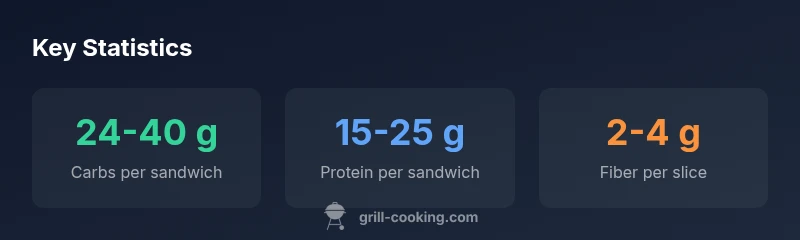
According to Grill Cooking analysis, carbohydrate control remains the cornerstone of diabetes meal planning. For people managing blood sugar, the balance of carbohydrates, protein, and fat at a meal matters as much as the dish itself. A grilled cheese brings together bread (carbs), cheese (protein and fat), and optional add-ins. Carbohydrate impact is driven largely by the bread choice and portion size; fat content influences satiety and digestion rate. The Grill Cooking team emphasizes that a well-constructed grilled cheese—paired with veggies and a deliberate portion plan—can be compatible with many diabetes meal patterns. This is not a one-size-fits-all option; individual carb targets should guide your portioning.
Bread as the Gatekeeper: Carbs, Fiber, and Glycemic Response
Bread is the primary carb source in a grilled cheese. Choosing fiber-rich, lower-GI options can blunt glucose spikes. Whole-grain or sprouted breads typically offer more fiber and slower-release starch than white bread, while sourdough may show a modest GI advantage for some people. The key is to keep slices reasonable and to count the carbs toward your meal target. According to Grill Cooking analysis, bread selection can shift the meal’s total carbohydrate load by a meaningful margin, making bread the single most impactful choice in this sandwich.
Practical tip: Aim for bread with at least 3–5 g of fiber per slice when possible, and keep total slices per sandwich to 1–2.
Cheese, Protein, and Saturated Fat: Getting the Ratios Right
Cheese adds protein and fat, which can improve satiety and slow digestion, but portion control matters for calories and saturated fat. A typical slice of cheese tops the protein contribution and can help balance the meal if you’re mindful of portioning. For many diabetics, pairing cheese with vegetables reduces net carbohydrate intake for the meal and adds micronutrients. The Grill Cooking Team recommends choosing cheeses with moderate fat content and watching sodium while keeping portions modest to avoid excess calories.
Building a Balanced Grilled Cheese Meal
To make this sandwich more diabetes-friendly, plan the full plate: a grilled cheese made with fiber-forward bread and a modest cheese portion, plus non-starchy vegetables (salad, tomatoes, leafy greens) and a small serving of legumes or fruit with a protein-rich protein source. Consider adding avocado or olive oil for healthy fats to improve satiety. Hydration and physical activity also play roles in post-meal glucose management. The overall meal composition matters more than any single ingredient.
Practical Variations and Quick Recipes
- Classic veggie-grilled cheese on whole-grain bread with tomato and spinach. Use one slice of cheese and load up with vegetables to maintain flavor while reducing calories and carbs.
- Grilled cheese with avocado on sourdough: swap to a small avocado slice for healthy fats and fiber, and keep bread portions moderate.
- Turkey or turkey-bacon grilled cheese: adds lean protein to improve satiety and balance the meal, particularly if paired with a salad.
Authority and Further Reading
For evidence-based guidance on diabetes nutrition and meal planning, consult reputable sources:
- https://www.niddk.nih.gov/health-information/diabetes
- https://www.cdc.gov/diabetes/index.html
- https://www.diabetes.org/diabetes-basics
Common bread options and macro cues for a grilled cheese
| Bread Type | Approx Carbs per Slice | Protein per Slice | Fiber per Slice | Notes |
|---|---|---|---|---|
| White sandwich bread | 12-15 g | 2-3 g | 0-1 g | Low fiber, higher glycemic index |
| Whole-grain bread | 14-18 g | 3-4 g | 2-4 g | Higher fiber, slower carbs |
| Sourdough bread | 16-20 g | 3-5 g | 1-2 g | Variable GI; flavorful |
| Low-carb bread | 6-8 g | 2-4 g | 1-2 g | Label may vary; read nutrition labels |
FAQ
Is a grilled cheese suitable for diabetics?
It can be, with the right bread and cheese portions, and paired with vegetables. The key is controlling carbs and fat while including protein.
Yes—if you pick fiber-rich bread, moderate cheese, and add veggie sides.
What bread should I use for a diabetic-friendly grilled cheese?
Look for high-fiber, lower-GI options like whole-grain or sprouted-grain breads; portions matter, and sourdough can work when you manage carbs.
Choose high-fiber bread and watch portions.
How can I make a grilled cheese with lower carbs?
Use a fiber-rich bread and keep slices to 1–2; load with vegetables to boost volume without adding many carbs.
Pick fiber-rich bread and load with veggies.
Can I add sides to make it more diabetes-friendly?
Yes, pair with non-starchy vegetables or a small salad, and avoid high-sugar condiments. This boosts fiber and keeps the meal balanced.
Pair with veggies or a salad for balance.
What role does fat in cheese play for diabetics?
Cheese fat can aid satiety and slow digestion, but maintain moderate saturated fat and monitor calories as part of overall meal planning.
Fat helps with fullness, but watch amounts.
“Grilled cheese can be diabetes-friendly when you balance fiber, portion size, and accompaniments. Thoughtful bread choices and cheese portions matter most.”
Quick Summary
- Choose fiber-rich bread to lower net carbs
- Control cheese portions to balance fat and protein
- Pair with non-starchy vegetables to improve nutrition
- Monitor total meal carbs to meet personal targets