How to Cure a Grill: A Complete Seasoning Guide
Learn how to cure a grill with a practical, step-by-step approach. This guide covers rust removal, surface cleaning, seasoning cast iron parts, oil choices, heat cycles, safety tips, and maintenance to keep your grill in top shape.


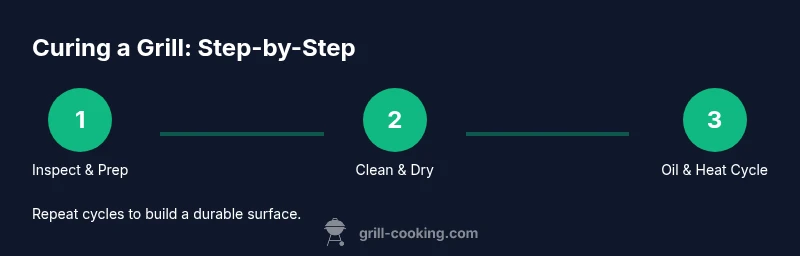
To cure a grill, start with a thorough cleaning, remove rust, and season the cooking surfaces. Deep-clean metal grates, then apply a high-heat oil and bake at a hot, steady temperature to polymerize a protective layer. Repeat two to three times for a durable, rust-resistant finish that improves heat distribution and flavor reliability.
What curing a grill does and when you should do it
Curing a grill is the process of building a durable, polymerized protective layer on exposed metal surfaces through cleaning, oiling, and controlled heating. This coating resists moisture, reduces rust, and improves heat distribution by creating a stable, non-stick surface. You should consider curing when you notice surface rust on cast iron or carbon steel parts, when you have new cast iron grates, or after a thorough cleaning that removed built-up seasoning. For enamel-coated components, curing is generally less critical, but a light oiling and gentle heat cycle can help preserve the finish without damaging the glaze. Regular curing moves you from reactive rust-removal to proactive protection, extending the life of your grill and improving repeatable performance.
Different grill surfaces and how curing differs
Grills use a range of metals and coatings, each responding differently to curing. Cast iron and carbon steel grates benefit the most from seasoning because oil polymerizes into a protective, rust-resistant layer. Stainless steel surfaces resist rust but may benefit from a light, even oil coating to deter sticking and corrosion. Enamel-coated grates are more delicate; avoid excessive oil buildup and follow manufacturer guidance, as enamel can crack or discolor if overheated. When choosing oils, prioritize heat-stable options and avoid thick, sticky residues that can trap debris. Understanding your grill’s surface helps tailor the curing steps for the best results.
Preparing a grill for curing: safety and assessment
Before you begin curing, ensure the grill is completely OFF and cool. If you have gas, disconnect the propane line and remove tanks; for charcoal grills, extinguish embers and let the grill cool to the touch. Inspect the exterior for loose paint or rust along with the grates. Remove grates, griddle, and any accessories you can safely handle. This prep stage minimizes flare-ups and gives you a clean canvas for the cure. Safety gear like heatproof gloves is essential, and work in a well-ventilated area.
Deep cleaning before curing: removing residue and rust
Start with a thorough scrub using warm soapy water and a stiff brush to remove grease and residue. For stubborn rust, a non-abrasive rust remover or a vinegar-based solution can help loosen corrosion. Rinse with clean water and dry completely—water left behind can halt the curing process. If rust is deeply seated, use a steel wool pad or a rust eraser to lift flaky patches, then re-clean and dry. A dry surface is critical because oil on a wet grill becomes a sticky mess rather than a protective film.
Seasoning cast iron grates and other metal components
Seasoning involves applying a thin, even coat of oil to metal surfaces and heating until the oil polymerizes. Coat the grates, lid interior if exposed, and any other bare metal parts. Avoid pooling oil; a light film is enough to start the polymerization. After applying oil, plan for a high-heat bake that will bond the oil to the metal, creating a durable barrier against moisture. Repeat the oiling step between heat cycles for a stronger layer.
Oil choices and application techniques
Healthy curing relies on heat-stable oils that polymerize well. Common choices include canola, grapeseed, sunflower, and vegetable oil. Some cooks opt for flaxseed oil for its polymerization properties, but others warn that it can be sticky or gummy if overheated. Apply a very thin film across all metal surfaces, including the underside of grates and the interior walls. Avoid thick droplets that can burn and leave dark, messy patches. The goal is an even, light layer that can carbonize under heat.
Heat cycles: baking on the oil for a cured surface
With the grill clean and oiled, heat it to a high, steady temperature to polymerize the oil. For gas grills, keep the lid closed to trap heat; for charcoal grills, arrange coals to produce a strong, uniform heat and monitor carefully. Maintain the temperature long enough for the surface to darken and smoke lightly, then cool and reapply a new thin oil layer. Repeat 2–3 times to build a durable, rust-resistant finish that stands up to cooking.
Safety considerations during curing
Curing involves high heat and hot surfaces. Ensure ventilation, keep kids and pets away, and use heat-resistant gloves. Never leave the grill unattended while hot, and have a metal tray ready to catch any dripping oil that may ignite. If you notice unusual smoke, flames, or smoke that smells off, step back, extinguish, and reassess the oil layer and heat settings. Always follow manufacturer guidelines for your specific grill.
Maintenance after curing: keeping the surface protected
A cured surface requires periodic upkeep: clean after use, dry thoroughly, and reapply a light oil coat if the surface looks dry or chalky. Store the grill in a dry place and consider an annual re-seasoning for grills exposed to winter moisture. Record the last curing date as part of your routine maintenance to help you plan ahead.
Common mistakes and how to fix them
Mistakes commonly include applying too much oil, which creates sticky surfaces, failing to dry surfaces completely, and overheating oil beyond its polymerization window. If the surface looks uneven or sticky, buff with a clean cloth and reapply a lighter oil coat. If rust returns, repeat the cleaning process, dry thoroughly, and start a fresh seasoning cycle. Consistency is the key to long-lasting protection.
Tools & Materials
- Heavy-duty grill brush(Removes loose rust and debris from grates.)
- Steel wool pad (grade 0000)(Use for stubborn rust only; avoid scratching enamel.)
- Non-toxic rust remover or white vinegar(Use sparingly; avoid chemical fumes indoors.)
- Dish soap (degreasing)(Cuts grease before cure.)
- Soft cloths or rags(Dry surfaces completely after cleaning.)
- Food-grade mineral oil(Base seasoning oil for initial coat.)
- High-heat cooking oil (grapeseed/canola)(Preferred for polymerization and durability.)
- Flaxseed oil (optional)(Popular for polymerization but not essential.)
- Heat-resistant gloves(Protect hands during high-heat steps.)
- Propane or charcoal safety gear(Have a fire extinguisher or water bucket handy.)
Steps
Estimated time: Total time: 90-150 minutes
- 1
Power down and cool the grill
Shut off gas or let embers die down. Ensure all parts are cool to touch before handling grates and interior panels. Safety first to prevent burns or gas leaks.
Tip: Double-check that the grill is completely cool before starting cleaning. - 2
Disconnect gas and remove parts
Detatch propane line if applicable and remove grates, heat deflectors, and any removable components. Lifting components makes cleaning more thorough and prevents trapped debris.
Tip: Keep small parts organized so you don’t lose them. - 3
Scrub surface rust and grime
Use the grill brush and warm soapy water to remove loose rust and grease. For stubborn spots, lightly use steel wool but avoid enamel-coated areas.
Tip: Work in sections and rinse frequently to prevent buildup. - 4
Rinse and dry completely
Rinse off soap and debris, then dry every surface thoroughly. Use towels and a heat source, like a cooling rack, to promote evaporation.
Tip: Any moisture will compromise the cure, so ensure dryness. - 5
Apply a thin oil film
Wipe a very light layer of mineral oil on all metal surfaces, including grates and interior walls. Avoid pooling oil, which can become sticky.
Tip: Less is more – a thin film is all you need. - 6
Preheat to start curing
Burn off the oil by heating the grill so the surface begins to polymerize. For gas grills, use high heat with the lid closed; for charcoal, ensure an even bed of heat.
Tip: Monitor closely to avoid flare-ups. - 7
First cure cycle
Let the grill maintain heat until the surface darkens slightly and oil smoke occurs. If safe, extend the cycle for better polymerization.
Tip: Do not leave the grill unattended for long periods. - 8
Cool and reapply oil
Cool briefly, wipe off any ash or residue, and apply another thin oil layer. Repeat heating to complete cycle.
Tip: Multiple light coats beat one heavy coat. - 9
Repeat cycles
Perform 2–3 cycles in total to build a durable protective layer. Each cycle strengthens the bond between oil and metal surface.
Tip: Consistency across cycles yields the best finish. - 10
Reassemble and test
Reinstall grates and accessories, then perform a short heat test with food-safe oil on the grates to confirm the cure.
Tip: Observe for abnormal smoke or odors and stop if needed.
FAQ
Is curing a grill required for all grill types?
Curing is most beneficial for cast iron and carbon steel grates, which develop a protective seasoning. Enamel-coated parts typically require less curing, though light oiling can help maintain a non-stick surface. Always refer to your manufacturer’s guidelines for coated surfaces.
Curing helps cast iron and carbon steel, while enamel coatings may need less curing but still benefit from light oiling.
Can I cure an electric grill or enamel-coated grill?
Electric grills and enamel-coated surfaces are less prone to rust. They benefit from routine cleaning and a light oil wipe-down, but heavy seasoning cycles are usually unnecessary. Always follow the manufacturer’s care instructions.
Electric or enamel grills don’t need heavy seasoning; gentle cleaning and a light oil coat usually suffice.
How long does a cured surface last?
The longevity of a cured surface depends on usage, exposure to moisture, and maintenance. Regular re-oiling after use and periodic re-curing as needed will extend the protection. There isn’t a fixed timeframe—monitor for rust or dull spots and re-season when needed.
A cured surface lasts longer with regular use and maintenance; re-season when you notice wear.
Do I need to remove rust before curing?
Yes. Start by removing loose rust and debris, then clean and dry thoroughly. Surface rust that remains after cleaning can be treated with a rust remover or vinegar solution before re-curing. If rust recurs, repeat the process to re-establish a clean base.
Remove loose rust first, then cure; persistent rust may require repeat treatment.
What oil is best for seasoning?
High-heat cooking oils such as grapeseed, canola, or sunflower are commonly recommended for seasoning. Some readers use flaxseed oil for its polymerization properties, but it can be stickier. The key is to use thin, even coats and avoid pooling.
Use a thin coat of a high-heat oil; flaxseed is optional but can be stickier.
Can I cure indoors or in a closed space?
Curing generates smoke and fumes. It’s best done outdoors or in a well-ventilated area with doors and windows open. If you must cure indoors, use a fan and avoid confined spaces to minimize fumes and fire risk.
Cure outdoors or in a well-ventilated area to avoid fumes and fire risk.
Watch Video
Quick Summary
- Start with a thorough clean, then dry completely.
- Season with thin oil layers and controlled heat cycles.
- Use safety gear and ventilated spaces during curing.
- Maintain the cured surface with regular light oiling after use.