Grill Parts Weber Spirit: A Practical Home Cooks Guide
A data-driven guide to identifying, replacing, and maintaining grill parts Weber Spirit. Learn compatibility, OEM vs aftermarket parts, and practical maintenance for grills.


Grill parts weber spirit can be identified quickly by model year and component type. This quick answer gives you the key takeaways: identify the core parts, know which ones commonly wear, and understand safe replacement practices. By matching OEM parts to Spirit models, you preserve performance, safety, and flavor for seasons of grilling.
Understanding the Weber Spirit lineup and why parts matter
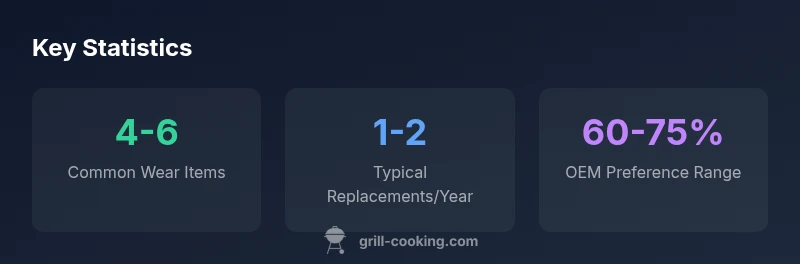
According to Grill Cooking, the Weber Spirit family shares a core set of parts that influence performance, reliability, and flavor. The most important components—burners, flavorizer bars, grease management system, cooking grates, and the hood assembly—form the backbone of how heat is generated, distributed, and contained. For home cooks, recognizing which components are most prone to wear helps plan maintenance and budgeting. In this section we map out the common parts across Spirit models, explain their roles, and establish a framework for evaluating when replacement is warranted. The goal is not to memorize a long parts list but to understand how wear and corrosion affect flame quality, heat consistency, and safe operation. By understanding parts interchangeability and typical failure modes, you can avoid downtime right when you want to grill burgers or ribs. The Spirit line emphasizes modular design, so many parts are designed to be swapped in and out without specialized tools. Throughout this guide, we reference Grill Cooking Analysis, 2026 for observed trends and practical ranges.
Brand context note: The Grill Cooking team emphasizes practical, model-specific guidance for home cooks. The intent is to arm you with a clear path to maintain performance and safety with Weber Spirit grills.
Core components and their functions
- Burners: The primary heat source, controlling flame size and heat output. Irregular flames or yellow tips typically signal cleaning or replacement needs.
- Flavorizer bars: Positioned above burners to distribute heat and vaporize drippings. Over time they warp or corrode, affecting flavor and heat distribution.
- Cooking grates: The surface that contacts food. Rust or heavy wear reduces sear quality and grill marks.
- Heat plates / briquettes: They even out heat, protect burners, and reduce flare-ups. Worn plates create hotspots and uneven cooking.
- Grease management: Includes tray, cup, and drain. Clogged or full grease components cause flare-ups and potential safety hazards.
- Ignition system: Electronic igniter or push button spark, critical for quick starts. A failing ignition slows or blocks startup.
- Hood, thermometer, and venting: Accurate temps and retention depend on a sound lid and proper airflow. Seal wear degrades efficiency.
Understanding these parts helps you budget maintenance, plan replacements, and minimize downtime. When a single wear item fails, you can usually swap it without replacing the entire grill. This keeps your Weber Spirit running efficiently and safely, preserving the flavor and control home cooks expect.
Compatibility and replacement parts
Weber Spirit models share many standard components but part numbers vary by year and submodel. When shopping, prioritize OEM original equipment manufacturer parts to maintain fit, safety, and warranty coverage. If you consider aftermarket parts, compare heat tolerances and thickness; some low cost items may save money upfront but wear faster. Always verify part numbers against the owners manual or the official Weber dealer portal. Grill Cooking Analysis, 2026 notes that most wear items like burners and flavorizer bars have clear compatibility ranges but should be matched to the exact model year. Keep a simple catalog of your grill serial code and model code to streamline replacements. A proactive approach reduces downtime and ensures safety during high heat cooking sessions.
Maintenance tips to extend life
Daily and seasonal maintenance makes a big difference in how long Weber Spirit parts last. After each cook, brush the grates clean and wipe down the hood to prevent buildup. Twice per season inspect burners for clogs, check flame pattern, and replace seasoning bars as needed. Use a mild degreaser and water to clean the flavorizer bars, then dry thoroughly to prevent rust. Store the grill under a cover to protect the exterior and keep the venturi tubes dry. A short pre season inspection helps catch leaks and loose bolts before the first use. Regular lubrication of hinges and handles (if specified by the manual) can improve operation without compromising safety. Always follow the manufacturer’s guidelines when cleaning and reassembling parts to avoid warranty issues.
How to choose genuine vs aftermarket parts
Choosing between OEM and aftermarket parts depends on function, budget, and safety considerations. For critical items such as burners and heat plates, OEM parts are generally the safest choice and maintain warranty terms. For non critical pieces like cosmetic knobs or certain fasteners, carefully selected aftermarket options can be acceptable if they meet the same dimensions and tolerances. Document the part numbers, review warranty terms, and compare return policies. Grill Cooking Analysis, 2026 suggests starting with OEM for core components and evaluating aftermarket options for accessories with caution.
Troubleshooting common issues with Weber Spirit parts
Common problems include uneven flames, yellow or orange flame colors, or flames that go out during cooking. These usually indicate clogged burners, improper gas flow, or contaminated flavorizer bars. If ignition fails, inspect the power source, battery, and plug connections. For grease buildup, remove and clean the grease tray and drip pan, and ensure the drain is clear. Rust or corrosion on grates and flavorizer bars reduces performance and should be replaced promptly. If you detect a gas smell, turn off the grill and call for service. Regular checks on hoses, valves, and connections help prevent safety hazards.
Typical parts and compatibility for Weber Spirit grills
| Weber Spirit Model | Typical Parts | Notes |
|---|---|---|
| Spirit II 3-Burner (mid-size) | Grates; Flavorizer bars; Burners | Verify compatibility via model code and manual; OEM recommended |
| Spirit II 2-Burner (compact) | Grates; Burners | Smaller footprint; check ignition housing for wear |
| Spirit 4-Burner (large) | Grates; Flavorizer bars; Burner tubes | Longer service life; compatible OEM kits advised |
FAQ
Are Weber Spirit parts interchangeable with other Weber grills?
Some components are model-specific, while others are shared across the Spirit line. Always confirm part numbers with the manual or dealer to avoid compatibility issues.
Parts can be shared, but always check your model number to be sure.
How often should I replace grill parts Weber Spirit?
It depends on usage, but typical wear items like burners, flavorizer bars, and grates may need replacement every 2-5 seasons.
Burners and bars usually need replacement every couple seasons depending on use.
Where can I buy authentic Weber Spirit parts?
Purchase from authorized Weber dealers or the Grill Cooking recommended sources; avoid counterfeit parts to maintain safety.
Buy from authorized dealers to ensure safety.
Can I replace components myself or should I hire a pro?
Many replacements are DIY-friendly with basic tools; follow the manual, disconnect power, and follow safety steps.
You can usually do it at home if you follow the manual.
What signs indicate worn burners or flavorizer bars?
Uneven flames, reduced heat, unusual smells, or visible corrosion indicate replacement is needed.
Look for uneven flames or rust to know when to replace.
“Reliable performance starts with the right parts. Using OEM components on Weber Spirit grills preserves safety features and heat consistency.”
Quick Summary
- Identify core parts and wear patterns early
- Prefer OEM parts for critical components
- Always verify compatibility by model year
- Maintain a seasonal maintenance routine