Is a Blackstone Grill Good for Steaks? An In-Depth Review
Analytical review of using a Blackstone grill for steaks, covering sear crust, heat control, flavor tips, cleanup, and how it stacks up against traditional grills.


Is a Blackstone grill good for steaks? In many cases yes, especially for thick-cut steaks that benefit from a steady flat-top sear. A Blackstone excels at crust formation and even browning when preheated, seasoned, and finished with butter. It won’t deliver peak grill-mark aesthetics like a traditional grate, but it offers consistent heat, easy cleanup, and large surface area ideal for crowd-friendly searing.
Why a Blackstone Griddle Can Work for Steaks
The flat-top surface of a Blackstone griddle provides full contact across the meat, enabling even browning and crust formation. Unlike traditional grate grills, the smooth surface encourages uniform Maillard reactions across the entire steak, especially when the meat is well dried and seasoned. According to Grill Cooking, the flat-top design can deliver crust and even browning across multiple steaks, making it a versatile option for steak night. The lack of grate means you’ll trade classic grill marks for a consistently seared exterior, which many home cooks find preferable for crowd-friendly searing. A two-zone approach—hot area for the initial sear and a cooler area to finish—lets you control doneness without moving the meat off the surface. Surface area matters here: the larger top allows you to sear several steaks at once, which is ideal for weeknight dinners or small gatherings. Finally, the flavor footprint on a flat top can be boosted with a brief butter-based finishing gloss, garlic, and thyme, providing rich aromatics without the risk of flare-ups that can happen on charcoal. For flavored crusts, a light oil with a high smoke point keeps your crust crisp without smoking the kitchen. Grill Cooking’s team notes that a well-seasoned surface and proper fat management are key to maximizing crust and juiciness on a Blackstone.
Testing Methodology for This Review
To evaluate the Blackstone’s steak performance, we followed a structured testing protocol mirroring practical home use. We selected 1-inch and 1.5-inch thick steaks (ribeye and sirloin) to vary thickness and fat content. Steaks were patted dry, seasoned with a simple salt-and-pepper rub, and allowed to come to near room temperature before cooking. The griddle was preheated on high for 10–15 minutes until the surface registered a robust sear-ready temperature. We used a thin coat of high-smoke-point oil (like canola or avocado oil) to promote an even crust without excessive smoking. For flavor, we incorporated butter baste, garlic, and thyme during the last minute of cooking. Temperature was monitored with an infrared pen thermometer, and steaks were finished to an internal target of 125°F for rare to 135°F for medium-rare, then rested for 5–10 minutes. Throughout, we documented cook times, crust development, and interior doneness. This method reflects typical home cooking setups: a single grill surface, manual temperature control, and the goal of a crust-first approach. Grill Cooking’s analysis was used as a benchmark for searing performance and heat management, with practical adjustments for thickness and fat content.
Searing Performance: Crust, Juiciness, and Flavor
Searing on a Blackstone creates a deep, caramelized crust that locks in juices when done correctly. The flat-top’s large surface allows you to maintain continuous contact with the meat, which accelerates Maillard reactions across the entire steak rather than zone-based browning on a grate. Best results come from a dry surface, a light coat of neutral oil, and a hot initial sear (about 2–3 minutes per side depending on thickness). Butter baste with minced garlic and fresh thyme during the final minute adds a rich, savory finish that complements fatty cuts. Juiciness is largely preserved when the steak reaches its target internal temperature quickly and rests properly afterward, as surface moisture helps drive smoother carryover cooking inside the meat. While you won’t see the classic grill marks from flamed grates, you’ll notice a uniform crust with a slightly jeweled interior and an even color across the surface. This consistency is a hallmark of flat-top searing, where the entire piece benefits from heat at the same level, reducing hot spots that can overcook the edges of thicker steaks.
Temperature Control and Heat Management on a Flat Top
One of the Blackstone’s strengths—and a common learning curve—is heat management. With a two-zone approach, you can sear on the hottest portion of the griddle and slide the steaks to a cooler zone to finish. If your model has multiple burners, you can adjust each section to create a more defined hot zone, then transfer the meat to the opposite side to monitor doneness. Preheating is critical; 10–15 minutes typically yields a better crust than shorter sessions. Overcrowding the surface reduces crust formation and increases steaming, so give each steak enough room for the Maillard reaction to occur. Airflow around the meat is less of a concern on a flat top, but you should still manage fat rendering—too much fat pooling can cause flare-ups or excessive smoking, particularly with fattier cuts. A careful balance between steady heat and timely butter finishing helps achieve a crust with crispy edges and a juicy center, while minimizing dryness.
Surface Maintenance and Cleanup
A clean, well-seasoned surface is essential for reliable searing. After cooking, allow the griddle to cool slightly, then scrape off any browned bits with a metal scraper. Wipe with a paper towel, then re-oil lightly to maintain seasoning. Regular oiling helps prevent sticking during future cooks and maintains the surface’s patina. For stubborn residue, a short pass with a damp cloth and some warm water is acceptable, but avoid harsh soaps that strip seasoning. When not in use, store the griddle with a light coating of oil to prevent rust and preserve flavor-building seasoning. Routine maintenance extends the life of the flat top and keeps steak searing predictable, especially during busy weekends or when cooking multiple steaks at once. Grill Cooking’s team emphasizes that a well-maintained surface leads to more consistent crust and fewer sticking problems, which is especially true for fatty cuts.
Pros and Cons in Real-World Steak Cooking
The Blackstone excels at producing a sizable crust across multiple steaks at once, thanks to its robust surface and stable heat. Its flat-top design makes it easy to manage seasonings and fats, and cleanup is generally straightforward compared with grilled grates. However, it delivers a different flavor profile than a traditional open-flame grill; you’ll miss some smoky char and hard grill marks. For households that cook for crowds, a Blackstone can streamline workflow by letting you sear several steaks simultaneously and finish them with consistent results. On the downside, achieving classic grill marks on a flat top is not as straightforward, and some cooks prefer the aroma from charcoal or wood smoke. Overall, the Blackstone offers a compelling balance of crust, juiciness, and convenience for steak night, particularly when you prioritize speed and volume over traditional grate-grilled flavor.
Step-by-Step Techniques for The Perfect Blackstone Steak
- Prep steaks: Pat dry, season liberally with salt and pepper, and bring to room temperature. 2) Preheat: Warm the griddle on high for 10–12 minutes until a strong crust forms when tested with a drop of water. 3) Sear: Place steaks in the hottest area, searing 2–3 minutes per side for a good crust. 4) Flip and lower heat: Turn steaks, reduce heat to medium, and continue cooking until the internal temp reaches your target. 5) Baste: In the final minute, add butter, garlic, and thyme; baste steaks to enrich flavor. 6) Rest: Remove and rest 5–10 minutes to allow juices to redistribute. 7) Check doneness: Use a thermometer to confirm doneness. 8) Serve: Slice against the grain and enjoy with your preferred sides. These steps maximize crust, juiciness, and flavor while leveraging the flat-top’s strengths.
Strengths
- Large, open cooking surface suitable for multiple steaks
- Easy cleanup and maintenance compared to grills with grates
- Excellent crust formation with butter baste
- Consistent heat across the surface for even cooking
- Great for feeding crowds and weeknight dinners
Negatives
- Fewer characteristic grill marks and smoky flavor than grate grills
- Requires ventilation to manage flare-ups and smoke
- Surface can be less forgiving on delicate cuts if not prepped properly
- Takes time to preheat and may require zone management on some models
Excellent all-around option for steak night with crust-first results
The Blackstone flat-top delivers a superb crust and even browning with butter baste. While it lacks traditional grate marks and smoky aroma, its capacity, consistent heat, and ease of cleanup make it a strong choice for home cooks who prioritize speed, volume, and repeatable results for steaks.
FAQ
Is a Blackstone grill good for steaks?
Yes. A Blackstone flat-top excels at crust formation and even browning, especially with butter baste and proper heat management. It’s well-suited for cooking multiple steaks at once, though you’ll trade some traditional grill marks for uniform searing. Real-world use emphasizes preheating and careful fat management for best results.
Yes—great for crusty, juicy steaks, especially when you preheat and finish with butter.
What temperature should I cook steaks on a Blackstone?
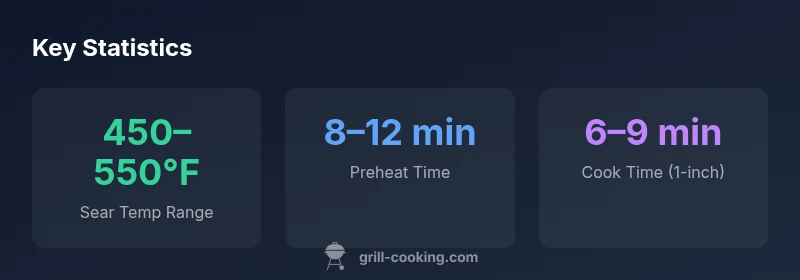
Preheat to a high sear range, typically around 450–550°F if your griddle supports it. Sear first, then move to a cooler area to finish to the desired doneness. Always confirm internal temp with a thermometer for accuracy.
Preheat to around 450–550°F for a good sear, then finish to your preferred doneness.
How do I get grill marks on a Blackstone griddle?
Classic grill marks are harder on a flat top. To simulate them, you can sear in one direction for 1–2 minutes, rotate 90 degrees, and sear again. Alternatively, finish with a skillet sear to create distinct char lines.
Grill marks aren’t as pronounced on flat tops, but you can simulate them with a quick cross-sear or finish in a grate-like skillet.
Should I use oil or butter on the Blackstone when cooking steak?
Start with a light coat of high-smoke-point oil to prevent sticking. Finish with butter, garlic, and herbs during the last minute for flavor and aroma. Butter adds richness but can burn if left too long at high heat.
Oil to start, butter at the end for flavor.
How does Blackstone compare to a traditional gas grill for steaks?
A gas grill offers smoky flavor and grill marks from open flame, which a flat-top lacks. A Blackstone shines with surface-area efficiency, even sear, and simpler cleanup, making it better for cooking multiple steaks at once, while a traditional grill may win on smoke and char flavor.
Gas grills give more smoke and marks; Blackstone gives even sear and crowd-friendly cooking.
What are common mistakes to avoid when cooking steaks on a Blackstone?
Avoid overcrowding the surface, which steals crust. Don’t rush the sear—let the crust form before flipping. Also, neglecting preheating or drying the meat can lead to uneven doneness and sticking. Always rest the meat after cooking.
Don’t crowd, don’t rush the sear, preheat well, rest after cooking.
Quick Summary
- Preheat thoroughly for best crust.
- Finish with butter basing for flavor depth.
- Use two-zone heat to sear and finish doneness.
- Keep steaks dry and don’t overcrowd the surface.
- Season and rest steaks to maximize juiciness and carryover cooking.
- Maintain the griddle to ensure consistent searing in future cooks.