How to Grill Asparagus on the Stove: A Complete Guide
Master stovetop grilling with a cast-iron pan to create charred, tender asparagus. Step-by-step method, flavor ideas, timing, and troubleshooting from Grill Cooking for home cooks.


Learn how to grill asparagus on the stove using a heavy skillet or grill pan. Preheat the pan over high heat, toss spears with a light coating of oil and seasonings, then sear 2–3 minutes per side until deeply browned and tender with crisp edges. Finish with lemon and herbs for bright balance.
The case for stovetop grilling: turning a kitchen into a searing hotspot
Grill cooking indoors is all about recreating the quick, high-heat sear you get from an outdoor grill. When you learn how to grill asparagus on stove-top methods, you leverage the heat of a preheated grill pan or cast-iron skillet to develop deep caramelization and charred edges while keeping the spears bright and tender. The key is minimizing moisture, using a well-seasoned pan, and keeping the spears in a single layer so each spear browns rather than steams. According to Grill Cooking, a properly heated pan creates a strong crust that locks in flavor and reduces sticking. With the right technique, you can achieve restaurant-quality asparagus right on your stovetop in under 15 minutes.
This approach pairs well with lemon, garlic, and parmesan for a quick side dish that shines alongside poultry, fish, or plant-based mains.
Tools and pan options
Choosing the right equipment makes the difference between soggy spears and crisp, flavorful stalks. A heavy cast-iron skillet or a dedicated ridged grill pan is ideal for stovetop grilling asparagus because it preserves heat and creates those desirable grill marks. Look for a pan 10–12 inches in diameter with a sturdy handle. A wide, flat pan helps keep spears from crowding, which is essential for even browning. If you don’t own a grill pan, a well-seasoned skillet can work, but you may miss the distinctive ridges that leave noticeable char. Always use tongs to turn spears for even contact with the hot surface. Finally, have a small bowl of oil and your seasonings ready to toss the asparagus just before searing.
Selecting, trimming, and preparing asparagus
Begin with fresh asparagus that feels firm and has tight tips. Thicker spears benefit from a longer sear, while thinner spears cook quickly and require light handling to prevent splintering. Trim roughly 1–2 inches from the woody ends, then pat the spears dry. Moisture on the surface steams rather than sears, so thorough drying is important. If you’re using a thinner batch, you can gently shave the tips with a vegetable peeler for uniform texture. Toss spears with a small amount of neutral oil (about 1–2 teaspoons per bunch) to promote browning, then season with coarse salt, cracked pepper, and optional garlic powder or lemon zest for brightness.
Flavor building: oil, salt, and additions
A light oil is essential for a slick sear, but using too much coats the pan and cools the surface. Olive oil or avocado oil both work well; avoid oils with low smoke points. For flavor, add minced garlic toward the end of the sear to prevent burning, and finish with a squeeze of lemon juice or a dusting of parmesan for a savory pop. Fresh herbs like thyme or parsley add brightness, while chili flakes lend a gentle heat. If you love smokiness, a pinch of smoked paprika can mimic outdoor grill notes without overpowering the asparagus.
Preheating, temperature, and pan care
Preheat your pan on medium-high to high heat for 3–5 minutes before adding any asparagus. The goal is a surface temperature that sizzles when spears make contact. If the pan is smoking excessively, reduce heat slightly to prevent scorching. Dry spears stay crispier and sear more evenly. After cooking, let the pan cool before washing to preserve the seasoning. A quick wipe with a dry towel between batches helps maintain consistent browning.
Step-by-step stove-grilling method: a practical plan
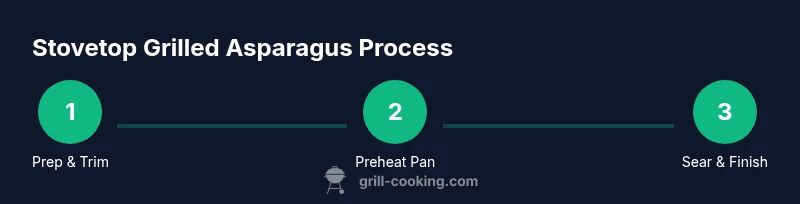
This section walks you through the method in clear terms so you can apply the technique to your own kitchen. You’ll preheat, prep, sear, flip, and finish the spears with a few minutes of targeted heat. The goal is to create an even crust with a tender interior while keeping the spears vibrant and green. Remember, smaller batches cook faster and more evenly, so avoid overcrowding the pan. A quick finish with lemon notes brightens the flavor without masking the roasted character.
Common mistakes and how to fix them
Overcrowding the pan invites steaming, not browning. If your spears stick, you likely need a hotter pan or a touch more oil; excessive oil can cause flare-ups and soggy spears. Not drying spears is another frequent issue. Always pat dry and light-toss with oil just before searing. Finally, overcooking leads to mushy spears and dull color; remove from heat as soon as you see deep browning and a slight give in the spear.
Variations and quick pairing ideas
To keep things interesting, swap lemon for lime, add a pinch of garlic powder, or finish with shaved parmesan for a cheesy crust. Try bedecking the finished spears with chopped almonds for crunch, or drizzle with balsamic glaze for a sweet-tart finish. Pair stovetop-grilled asparagus with roasted chicken, pan-seared salmon, or a simple grain bowl to create a balanced meal.
Cleaning, storage, and reheating tips
Let the pan cool before cleaning to avoid warping or injury. Wipe with a paper towel to remove oil residue, then wash with warm, soapy water. Dry thoroughly to prevent rust, especially on cast-iron surfaces. Store leftovers in an airtight container for up to 2 days; reheat gently in a hot pan with a splash of water to loosen any residue and re-sear for a fresh bite.
Plating and serving ideas
For an appealing plate, arrange the asparagus in a fan or layer with the tips pointing upward to showcase their color. A final squeeze of lemon, a sprinkle of sea salt, and a few shavings of parmesan can transform the dish. Serve with a light yogurt-dill sauce, or a simple drizzle of olive oil and cracked pepper for a minimalist approach.
Troubleshooting quick reference
If you see excessive steaming, turn up the heat by one notch or move to a hotter burner. If browning is uneven, rotate spears on the pan to expose different sides to the heat. For very thick spears, give an extra minute per side, but monitor closely to prevent scorching. Always make sure your pan is clean and dry before cooking to maximize browning.
Tools & Materials
- Cast-iron grill pan (10–12 inches)(Ridges provide grill marks and better sear; seasoned surface helps prevent sticking)
- Tongs or a wide silicone spatula(For turning spears with minimal breakage)
- Chef’s knife(Trim woody ends cleanly)
- Cutting board(Stabilize spears while trimming)
- Mixing bowl(Toss spears with oil and seasonings evenly)
- Neutral oil (high smoke point)(Examples: avocado or light olive oil)
- Paper towels(Pat dry spears before searing)
- Lemon or lemon zest(Brightens the final dish)
Steps
Estimated time: 20-30 minutes
- 1
Gather and prep asparagus
Rinse spears under cool water and pat dry. Trim woody ends, then pat dry again to ensure a dry surface for searing. This prevents steaming and helps achieve a crisp exterior.
Tip: Dry spears thoroughly; moisture kills the sear - 2
Preheat your pan
Place the grill pan on the stove over medium-high to high heat for 3–5 minutes until a test drop sizzles on contact. A hot surface is essential for caramelization.
Tip: If the pan smokes heavily, back off heat slightly - 3
Toss asparagus with oil and season
In a bowl, toss the spears with a light coating of neutral oil and a pinch of salt and pepper. Keep oil to a thin layer to avoid pooling.
Tip: Too much oil can cause flare-ups and soggy spears - 4
Arrange in a single layer
Place spears in a single layer across the pan, perpendicular to ridges if possible, to maximize contact for even browning. Do not crowd.
Tip: Crowding creates steam and uneven sear - 5
First side sear
Let spears sear undisturbed for 2–3 minutes until they develop deep brown color and a crisp crust.
Tip: Avoid moving spears too soon; resistance indicates browning - 6
Flip and sear other side
Turn spears using tongs to sear the opposite side for 1–2 minutes. The goal is even char without overcooking the interior.
Tip: Ensure even contact by pressing lightly with tongs - 7
Finish with flavor
If using garlic, add it for the final 20–30 seconds just until fragrant. Finish with lemon zest or juice, and optional parmesan.
Tip: Add acidic finish at the end to preserve brightness - 8
Taste and adjust
Taste a spear to check tenderness and seasoning. Adjust salt if needed before serving.
Tip: Seasonings should enhance, not overpower - 9
Plate while hot
Transfer immediately to a warm plate to maintain warmth and aroma. A hot surface keeps the spears crisp longer.
Tip: Serve promptly for best texture - 10
Clean up the pan
Let the pan cool, then wipe away residue with a paper towel before washing. This preserves seasoning for next use.
Tip: Cleaning while warm makes residue easier to remove - 11
Optional: make-ahead tips
If preparing in advance, blanch lightly (30–60 seconds) and finish with a hot sear upon serving to retain crunch.
Tip: Blanching shortens finish time; a quick re-sear re-establishes crust
FAQ
Can you grill asparagus on the stove without a grill pan?
A grill pan or ridged skillet is strongly recommended to recreate outdoor searing. Without ridges, you’ll get more steaming and fewer distinct grill marks.
A grill pan is strongly recommended to mimic the outdoor sear. Without ridges, you’ll see less char and more steaming.
What heat setting is best for stovetop grilling?
Set the pan to high heat to achieve a rapid sear, then adjust down if flare-ups occur. The goal is a quick crust with a tender center.
Use high heat for the sear, then back off a touch if you see excessive flames or burning.
How do you know when asparagus is done?
Spears are done when they are bright green, slightly crisp-tender, and have deep brown crust on the surface. The exact time depends on spear thickness and pan heat.
When they’re bright green with a slight crisp and a nice char, they’re ready.
Should I blanch before stovetop grilling?
Blanching is optional. It can reduce cook time for very thick spears, but isn’t required if you want a quick, hot sear with direct flavor.
Blanching is optional; not necessary for thin spears, but helpful for very thick ones.
What flavors pair well with stovetop grilled asparagus?
Lemon, garlic, olive oil, and parmesan are classic. Fresh herbs like parsley or thyme also brighten the finish.
Lemon and parmesan are a classic finish, with garlic and herbs for extra aroma.
Watch Video
Quick Summary
- Preheat a heavy pan to sizzle-ready heat before adding spears
- Keep spears in a single layer for an even sear
- Finish with bright acid and cheese for flavor depth
- Avoid overcrowding to prevent steaming and soggy results