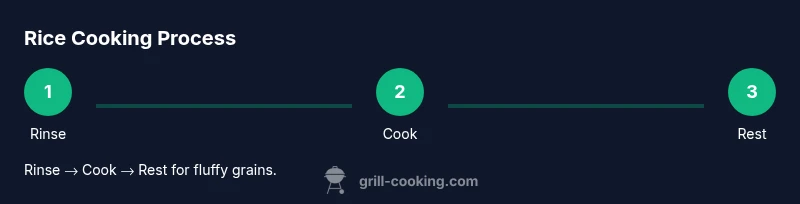
How to Cook Rice: Master Fluffy Grains at Home
Learn to cook rice perfectly with rinse, measure, simmer, and rest techniques. Explore stovetop, rice cooker, and grill-friendly methods with practical tips for fluffy, separate grains every time.


Master cooking rice with confidence using simple rinsing, precise measuring, and clear heat control. This quick guide outlines three reliable methods (stovetop, rice cooker, and grill-friendly approach) and key ratios for fluffy grain every time. You’ll learn when to rinse, how much water to use, and how resting makes rice truly light and separate.
The Why of Rice Cooking for Home Cooks
Rice is more than a side dish; it’s a versatile canvas for meals from simple weeknight bowls to elaborate pilafs and fried rice bases. Mastering how to cook for rice expands your grill repertoire because fluffy, evenly cooked rice pairs with everything from grilled chicken to charred vegetables. According to Grill Cooking, getting texture right starts with clean rinsing, equal parts water, and attentive heat control. When you approach rice with a technique, you unlock consistent results that reduce waste and surprise. In this guide, you’ll learn why the grain’s integrity matters, how to choose the right variety, and how to adapt methods across stovetop, rice cooker, and even grill-friendly setups. Whether you’re cooking plain white rice to serve with a quick charred steak or building a more complex side like a saffron rice with peppers, the goal is the same: separate, tender grains that don’t cling together. With a little discipline and the right tools, you can turn a basic staple into a reliable foundation for flavors you love.
Rice Types and Texture: How to Choose the Right Rice for Your Dish
Rice comes in many forms, from long-grain basmati to short-grain sushi rice. The texture you want dictates the variety: long-grain tends to stay airy and separate, while short-grain tends to be stickier. For side dishes that accompany grilled proteins, easy options are standard white long-grain or jasmine. For creamy pilafs, look at basmati for aroma and fluffy separate grains, or use brown rice for nuttier flavor. The Grill Cooking team notes that selecting the right type is the first step in achieving consistent results; the choice influences water needs, cooking time, and resting requirements. When you pair the rice type with your cooking method, you’ll notice differences in how the grains absorb moisture and how they release steam during resting. This section helps you map dishes to varieties so you can plan your grill-friendly meals with confidence.
Rice-to-Water Ratios and Cook Methods: A Practical Framework
A reliable rice-cooking framework starts with ratios and method. While exact numbers can vary by rice type, a good starting point is to think in ranges: white rice generally uses more water than the amount of rice, while brown rice needs more water and a longer simmer. If you’re unsure, start with a 1:2 ratio (rice to liquid) for white rice and adjust by ¼ cup per batch after observing texture. For parboiled or converted rice, reduce water slightly to prevent sogginess. The aim is grains that are tender but separate, not mushy. Grill Cooking analysis shows that the resting phase after cooking helps grains firm up and become fluffy, so plan for at least 5 minutes off heat. Use broth for extra depth, and season the water if you’re cooking plain rice. This guide emphasizes experimenting with small batches to learn your stove, pot, or grill’s quirks.
Stovetop Method: Temperature, Time, and Why Resting Matters
The classic stovetop method relies on bringing water to a boil, adding washed rice, then reducing heat to a gentle simmer with the lid on. A gentle simmer prevents starch from breaking free and creating a gummy texture. After the water has mostly absorbed, remove the pot from heat and let the rice rest, covered, for 5–10 minutes. Resting allows steam to finish hydrating the grains evenly and makes the final texture lighter. Fluff with a fork to separate grains. Small variations—like a quick stir during simmer to prevent sticking—can help, but avoid lifting the lid repeatedly, which lets steam escape and can ruin texture. This method scales from a tiny kitchen burner to a camping stove, with the core steps remaining the same.
Rice Cooker Method: Hands-off Consistency
Rice cookers simplify the process and reduce errors. Rinse rice to remove surface starch, add the proper amount of liquid and salt, and start the cooker. Most machines switch to a warming phase when done; let the rice rest in the cooker for 5–10 minutes before fluff. The consistent heat and controlled evaporation yield uniform grains with minimal effort. If your model has a 'soak' or 'steam' option, you can experiment with a brief pre-soak to improve texture and reduce cooking time. Cleaning the pot and using fresh water every time will improve repeatability, especially when you’re cooking rice as a side to grilled dishes.
Grilling and Outdoor Cooking: Rice as a Side or Base
Grillers can use pre-cooked rice, already fluffy, to assemble quick sides near the grill. Another option is cooking rice on the grill using a covered pot or a dedicated grill-safe pan. The heat on a grill can add a subtle smoky note that complements proteins, vegetables, and sauces. If you’re using regular white rice on the grill, treat it like stovetop cooking but be mindful of outdoor wind and temp. For fried rice or pilaf-style dishes, cool rice completely before mixing with vegetables and proteins over high heat. Stovetop techniques work well too, but the grill offers a unique flavor when you practice humidity control and steam management with covered cookware.
Troubleshooting Common Rice Issues: Mushy, Undercooked, or Sticky Rice
Common problems include mushy or gluey grains, undercooked centers, and rice that sticks together. The fixes often involve adjusting water, cooking time, or resting. Rinse thoroughly to remove excess starch before cooking. If the rice is undercooked, add a splash of hot water and reseal the pot, allowing for a few more minutes of gentle simmering. If the grains clump, try using a touch less water next time or increase resting time to let starch settle. For very sticky rice, consider changing the rice variety or adding a splash of lemon juice or oil to the cooking water to break up surfaces and improve texture.
Flavor and Texture Variations: Aromatics, Broths, and Toppings
Rice shines when you tune the flavor with aromatics and liquids. Sauté aromatics in oil before adding rice, then simmer in stock instead of water for richer flavor. Herbs, pepper, saffron, or bay leaves can lift plain rice into a complete dish. For a quick fried rice, cool leftover rice and toss with vegetables and eggs over high heat in a wok or skillet. Grains like jasmine or basmati respond beautifully to toasting in oil before adding liquid, which enhances aroma and texture. The right technique makes rice a flexible base for grilled proteins and vegetables without overpowering them.
Storage, Reheating, and Safety: Keep Rice Fresh and Safe
Cooked rice should cool quickly to below 40°F (4°C) within two hours to prevent bacterial growth. Store in shallow containers in the refrigerator and use within 4–6 days, or freeze for longer storage. Reheat with a splash of water and cover to restore moisture. The steam restores tenderness and helps grains separate. For leftovers that taste cold or dry, add a bit of broth or butter during reheating to revive flavor. This section emphasizes food safety and practical reheating techniques to preserve quality.
Tools & Materials
- Measuring cup(Standard 1 cup measuring cup for rice and liquid measurements)
- Fine-mesh sieve(Rinse rice thoroughly to remove surface starch)
- Saucepan with tight-fitting lid (2-3 qt)(Prefer heavy-bottomed for even heat)
- Wooden spoon or spatula(For fluffing rice at end)
- Rice cooker (optional)(If you own one, you can rely on it for consistency)
- Liquid (water or stock)(2 cups liquid per 1 cup rice is a common starting point)
- Salt(Add to taste, particularly with bland starches)
- Thermometer (optional)(Not required for rice, but helpful for safety with large batches)
Steps
Estimated time: 25-35 minutes
- 1
Rinse the rice
Rinse the rice under cold running water until the water runs clear. This removes excess surface starch that can cause clumping and gummy texture. Strain well to prepare for even absorption.
Tip: Rinsing matters most for white rice; brown rice can still be rinsed but requires longer cooking. - 2
Measure rice and water
Use a standard cup to measure rice and water. For beginners, start with the classic 1:2 ratio for white rice and reputably adjust by taste and texture after a test batch.
Tip: Keep the same measuring method for consistency when you try different cook methods. - 3
Boil or heat liquid
In the chosen pot, bring water or stock to a boil. If you want richer flavor, heat stock. Salt lightly before adding rice.
Tip: Boil the liquid first to ensure rapid, even cooking once rice is added. - 4
Add rice and simmer
Stir in the rinsed rice, return to a gentle simmer, then reduce heat to low. Cover and let the rice cook undisturbed until the liquid is absorbed.
Tip: Avoid lifting the lid; steam is essential for even cooking. - 5
Rest off heat
Turn off the heat and keep the pot covered for 5–10 minutes. Resting lets grains finish absorbing moisture and separate.
Tip: Resting is crucial—it prevents sticky grains by distributing moisture evenly. - 6
Fluff and serve
Fluff the rice gently with a fork to separate grains, then taste and adjust salt if needed.
Tip: Use a fork, not a spoon, to avoid crushing grains.
FAQ
What is the best water-to-rice ratio for white rice?
A common starting point is a 1:2 ratio (rice to liquid) for white rice, but you may adjust slightly based on your stove and pot. Test a small batch to dial in your preferred texture.
For white rice, start with roughly one part rice to two parts water and adjust from there.
Should I rinse brown rice?
Brown rice benefits from rinsing to remove surface starch and impurities, but it may require longer cooking and more water. Rinse until the water runs clear.
Yes, rinse brown rice before cooking to improve texture and flavor.
Why is my rice mushy or sticky?
Too much water or over-stirring during cooking can release excess starch and create a gummy texture. Adjust water and keep lid on during simmer.
Too much water or stirring too soon makes rice sticky; try using less water and avoid stirring while simmering.
Is rice cooked in a rice cooker the same as stovetop?
Rice cookers aim for consistent hydration and temperature, but the result is similar if you use the correct ratio and resting time. You may need to adjust for your specific model.
Rice cooker rice tastes similar to stovetop rice when measured and rested properly.
How do I store cooked rice safely?
Cool rice quickly to below 40°F (4°C) within two hours, then refrigerate in shallow containers for 4-6 days or freeze for longer storage. Reheat with moisture.
Cool quickly and refrigerate in shallow containers; reheat with moisture.
Can I flavor rice during cooking?
Yes. Sauté aromatics in oil before adding rice, cook with stock instead of water, and finish with herbs or butter for aroma and depth.
Flavor rice by using stock and aromatics during cooking.
Watch Video
Quick Summary
- Rinse to remove surface starch and prevent gummy texture
- Use a consistent rice-to-water ratio, adjusted by rice type
- Rest the cooked rice for 5-10 minutes for fluffiness
- Fluff with a fork to preserve grain separation