How to Cook for Baby: Safe, Simple Steps for Home Cooking
Learn how to cook for baby safely with practical tips on textures, nutrition, and safe preparation. This guide covers stages, meals, storage, and safety for new parents.


Learn how to cook for baby safely, covering age-appropriate textures, safe ingredients, proper cooking methods, and essential kitchen hygiene. This guide explains how to introduce foods gradually, monitor texture as babies grow, and avoid common risks like choking and contamination, so you can feed with confidence.
Foundations: Safety, Hygiene, and Planning
If you're asking how to cook for baby, the foundation is safety, hygiene, and careful planning. According to Grill Cooking, starting with clean hands, clean surfaces, and fresh ingredients reduces risk of contamination. Babies have developing immune systems, so avoid cross-contact and cook foods to safe temperatures. This section lays out the essential rules: no added salt or sugar for the first year, introduce one new food at a time to monitor reactions, and keep portions small to minimize waste. We’ll build a simple, batch-friendly plan that fits your family's routine. You’ll also learn how to assess readiness for texture changes, from smooth purees to finely mashed bites as your baby grows. Finally, we’ll outline safety checks you can use every time you prep meals—washing produce, handling leftovers promptly, and reheating safely. The goal is to build confidence so mealtime is calmer and more predictable for both you and your baby, with nourishment at the center of every bite.
Age-Appropriate Textures and Stages
Introducing solids is a texture journey. For babies just starting solids, aim for very smooth purees with no lumps. As your child grows, progressively move toward mashed textures, soft small pieces, and finally finger-friendly bites the caregiver can feed or supervise. Common progression examples include: smooth vegetable puree; mashed avocado with tiny flakes; finely minced chicken; soft-cooked pasta cuts. Observe cues like tongue thrust, gagging, and interest in self-feeding. Safety tip: always test a small amount on the inside of your wrist to gauge temperature and mouthfeel. Plan meals around your baby's appetite and nap schedule to reduce stress at mealtime. This approach helps you stay consistent and reduces waste while supporting development.
Safe Shopping: What to Buy and What to Avoid
Shop with fresh ingredients and avoid highly processed items with added salt or sugar. For babies, the emphasis is on simple, single-ingredient foods. If you are buying canned goods, check labels for added salt and preservatives. Introduce common allergens one at a time after pediatrician guidance, typically after several months of safe foods. The Grill Cooking analysis shows that bright vegetables, fruits, and plain grains fit well into early menus. Avoid honey before the first birthday, unpasteurized dairy, and whole nuts ground to a fine powder. Keep a short ingredient list to simplify monitoring for reactions.
Cook Methods: Steaming, Boiling, and Gentle Purees
Gentle cooking methods preserve nutrients and soften textures. Steaming is often the best first method because it tenderizes vegetables without adding fats. Boiling is fine for grains and starches but aim to minimize starch loss by using the right amount of water. Purees can be made with a blender or hand masher until smooth, then gradually coarsen texture as baby’s tolerance grows. If you use a grill, keep direct heat away from infant portions to prevent charring and ensure meats are fully cooked. Allow foods to cool to a safe temperature before feeding.
Grains and Cereals: From Rice Cereal to Soft Pasta
Starting with iron-fortified cereals or oats can support growth. Introduce cereals with breast milk, formula, or water until a smooth, lump-free consistency is achieved. Move to cereals blended with pureed fruits or vegetables for flavor without added sugars. Soft pasta with well-cooked vegetables can be an easy next step. Keep portions small and watch for texture changes that indicate readiness for slightly thicker consistencies.
Vegetables and Fruits: Texture, Flavor, and Safety
Offer a mix of vegetables and fruits to build flavor tolerance. Start with cooked, easily mashed vegetables like carrots, sweet potatoes, and peas. Introduce fruits after vegetables in small amounts to monitor reactions. Remember to peel tough skins if necessary and remove any seeds or cores. When introducing new produce, label it clearly and store separately from potential allergens for a few days. This helps you track which foods your baby tolerates best.
Protein Essentials: Meat, Poultry, and Alternatives
As babies grow, protein becomes essential. Start with well-cooked, finely minced meats or soft legumes pureed to a smooth texture. For older babies, small, soft pieces can be offered under supervision. Choose lean poultry, fish without bones, and well-cooked eggs if age-appropriate. Always ensure proteins are thoroughly cooked and finely mashed to reduce choking risk.
Food Storage, Reheating, and Safety Rules
Store leftovers promptly in clean, labeled containers. Reheat foods thoroughly to steaming hot temperatures and test before serving. Do not reheat multiple times. Freeze portions in small amounts for quick meals, and thaw safely in the refrigerator before reheating. Keep a daily log of what you’ve introduced to track potential allergies.
Sample Week Plan and Simple Recipes
A practical week plan helps you stay organized and reduces mealtime stress. Start with a pureed breakfast option like banana and avocado mash, a lunch of steamed carrot and pear puree, a dinner of soft pasta with mashed lentil, and snack options like yogurt (if age-appropriate) or ripe fruit slices for self-feeding practice. These ideas emphasize texture progression and easy batching. For each recipe, begin with single-ingredient foods and gradually add one new food at a time to monitor tolerance.
Tools & Materials
- Baby-safe cutting board(Non-slip surface preferred)
- Steam basket or steamer(For gentle cooking without added fat)
- Small saucepan with lid(For boiling/steaming ingredients)
- Masher or fork(Texture control for early stages)
- Food processor or blender (optional)(For smooth purées)
- Measuring cups/spoons(Small batches, kitchen accuracy)
- Freezer-safe containers or ice cube tray(Portion control and storage)
- Thermometer (optional)(Check temperature safely)
- Label maker or markers(Date and food name on storage)
Steps
Estimated time: 60-90 minutes
- 1
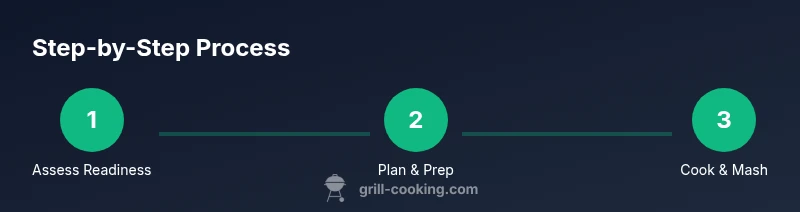
Assess readiness and texture stage
Begin by reviewing your baby’s age, cues, and prior foods. Decide whether you’ll start with smooth purée or a mashed texture based on developmental milestones. This step sets the pace and reduces the risk of frustration at mealtime.
Tip: Use a simple, two-food plan at first to test tolerance while keeping textures smooth. - 2
Plan ingredients and meals
Create a short, repeatable rotation of ingredients that cover veggies, fruit, grains, and protein. Keep a single-ingredient approach when introducing a new food, and note any reactions before adding a second new item.
Tip: Label batches with date and food name to track introductions. - 3
Wash and prepare ingredients
Wash all produce thoroughly, peel or trim as needed, and dice into baby-friendly sizes. Prepare grains and proteins to the required tenderness before cooking.
Tip: Keep surfaces clean and separate from adult preparation areas. - 4
Cook gently (steam/boil)
Cook vegetables and grains using steaming or gentle simmering to preserve nutrients. Avoid charring; ensure proteins are fully cooked and tender.
Tip: Steaming preserves nutrients and natural flavor without added fats. - 5
Mash or blend to target texture
Mash with a fork for slightly chunky texture, or blend to a smooth purée. Gradually increase texture as baby tolerates more varied bites.
Tip: Test consistency by spooning a dollop on your inner wrist for temperature and texture. - 6
Cool, test temperature, and feed
Cool the food to body temperature before feeding. Always supervise during feeding to prevent choking and ensure baby accepts the texture.
Tip: Stir and test, feeding at a comfortable pace for baby. - 7
Store leftovers safely and track new foods
Divide leftovers into small portions, refrigerate promptly, and label with date. Freeze excess portions if needed and rotate to avoid waste.
Tip: Never reheat more than once and discard sets not used within a safe window.
FAQ
When should I start introducing solid foods to my baby?
Most babies show readiness around six months; consult your pediatrician for personalized timing.
Most babies start around six months; check with your pediatrician to tailor timing.
What foods should I avoid for babies under one year?
Avoid honey, unpasteurized dairy, whole nuts, and added salt. Stick to single-ingredient foods until you know your baby tolerates them.
Avoid honey and unpasteurized foods, plus whole nuts; stick to simple foods until you know your baby tolerates them.
How can I test texture safely?
Start with smooth purées, then gently progress to mashed and soft pieces while watching for gagging or coughing.
Begin with smooth purées and slowly progress to mashed textures while watching for gagging.
Is salt allowed in baby meals?
No added salt for the first year. Flavors should come from the food itself and natural, unsalted ingredients.
No salt for the first year; use only natural flavors from the ingredients.
Should I use a blender or masher for purées?
Use a masher for beginners to control texture; upgrade to a blender for smoother purées as your baby grows.
A masher is great to start; you can switch to a blender once your baby handles smoother textures.
How should I store cooked baby foods?
Cool quickly and refrigerate in labeled containers. Use within a short window and discard leftovers that show signs of spoilage.
Cool quickly and store in labeled containers; use soon and discard anything that looks off.
Watch Video
Quick Summary
- Start with smooth textures and progress gradually.
- Choose fresh, simple ingredients with no added salt or sugar.
- Introduce one new food at a time to monitor reactions.
- Always supervise meals and test temperature before feeding.
- Batch-cook and store portions safely for convenient meals.