How to Make Baked Potatoes on the Grill
Master the art of grilling baked potatoes with a two-zone heat method, foil options, and tasty toppings. Learn prep, heat management, troubleshooting, and serving ideas for fluffy interiors and crackling skins.


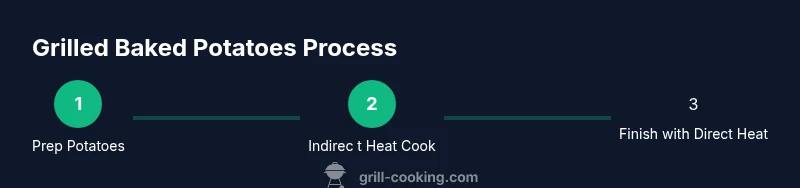
You can bake potatoes on the grill by using a two-zone heat setup: indirect heat to cook through and direct heat to crisp the skin. Start with clean, oil-coated russets, then grill on the cooler side until tender, finishing with a quick sear over direct heat for a crispy exterior. This method works on gas, charcoal, and pellet grills.
Why grilled baked potatoes are a game-changer for home cooks
If you’re looking for a reliable way to deliver fluffy interiors with a savory, crisp skin, mastering how to make baked potatoes on the grill is a game changer. The key is heat management and method choice, not just oven temperatures. According to Grill Cooking, a two-zone setup—indirect heat for cooking and direct heat for crisping—gives you consistent results whether you’re grilling ribs, burgers, or vegetables alongside the potatoes. With the right technique, you’ll achieve potato perfection that even picky eaters will notice at the table.
For many weekend cooks, baked potatoes on the grill become a staple because they’re forgiving, scalable, and pair well with smoky flavors from your favorite grill setup. Russet potatoes are the go-to choice for their starch content and fluffy centers, but you can experiment with red or Yukon gold for different textures. The secret is to prep properly, monitor your heat, and finish with a crisp skin that crackles when you bite into it.
Potatoes: selection, prep, and flavor foundation
Choosing the right potato matters as much as the heat you apply. Russet potatoes are preferred for their high starch and dry skin, which crisps beautifully under direct heat. Before grilling, give each potato a thorough rinse to remove any dirt and dry them completely; moisture on the skin can steam instead of crisping. Prick a few shallow holes with a fork to vent steam during cooking. Lightly coat with oil and a pinch of salt to enhance flavor and texture. The prep work sets the stage for a uniform cook and a skin that develops a satisfying crunch.
Size also matters: select potatoes of similar size to ensure even cooking. If you have mixed sizes, cut the larger ones into uniform halves so all potatoes reach tenderness at about the same time. A quick tip from Grill Cooking: pat the skin dry after oiling to improve browning and texture.
Heat strategies: direct vs indirect and why they matter
The heart of grilling baked potatoes is heat management. Indirect heat—the cooler side of the grill—lets the potato cook through without burning the skin. Plan for 25-35 minutes of cooking on indirect heat, lid closed, until the potato yields to gentle pressure or a fork slides in with little resistance. After the interior is tender, switch to direct heat to crisp the skin. This two-step approach is what transforms a simple potato into a restaurant-quality side.
If you’re using a two-zone setup, ensure the indirect zone is well established before you start. A properly heated grill (350-450°F / 175-230°C) lets the potato steam inside and brown the skin on the outside. For grills without precise temperature readouts, use the hand-test method: hold your hand 5 inches above the grates; if you can’t tolerate the heat for more than 4-5 seconds, you’re in the right range for indirect cooking.
Foil-wrapped vs unwrapped: choosing your path
Foil-wrapped potatoes trap steam and yield ultra-tuffy interiors. Wrapping also helps prevent the skin from drying out during long cooks. For ultra-crispy skins, grilling unwrapped with direct heat near the end yields excellent texture, but you’ll need to monitor closely to prevent scorching. If you opt for foil, wrap each potato tightly and puncture a small vent to allow steam to escape. If you prefer crisper skins, finish with a brief direct-heat sear, skin side first, to maximize browning.
Experiment with both methods in a single cook to learn which outcome you prefer. Grill Cooking notes that foil-wrapped potatoes shine for sides with a lot of toppings or sauces, while unwrapped potatoes pair well with a simple pat of butter and salt because the skin’s texture remains a feature of the dish.
Seasonings, toppings, and finishing touches
Seasoning is simple but powerful. A light coat of olive oil, coarse salt, and cracked black pepper provides a clean canvas for toppings. For smoky depth, consider a dusting of smoked paprika or garlic powder. Top with classic options like shredded cheddar, sour cream, chives, or butter. For a lighter option, try Greek yogurt, fresh herbs, and a squeeze of lemon.
If you want baked potatoes to be the main event rather than a side, offer a toppings bar with choices such as bacon bits, shredded cheese, salsa, and sautéed mushrooms. These toppings not only boost flavor but also create a fun, interactive dining experience for your grill night.
Troubleshooting and common issues on the grill
Common problems include skins that don’t crisp, interiors that stay firm, or uneven cooking. If the skin isn’t crisp, extend the final direct-heat sear for a few minutes per side while rotating the potatoes for even browning. If interiors are undercooked, add more indirect heat with the lid closed and check every 5-7 minutes. To prevent uneven cooking, choose uniform potato sizes and avoid overcrowding the grill.
Another handy tip is to give each potato a gentle roll during cooking to avoid hot spots. If you notice a strong smoke flavor overpowering the potato, move to a cleaner heat source or give the potatoes a quick rinse and dry before returning them to the grill.
Finishing tips and service ideas
Once the potatoes are tender and the skins are crisp, remove them from the grill and let them rest for a couple of minutes. Resting helps the interior settle and improves texture. Slice a shallow cross into the top and gently squeeze to open the potato, then fan the interior with a fork. Serve hot with toppings of choice, or keep warm in a warming tray to accommodate a crowd. Pair grilled baked potatoes with grilled meats, corn on the cob, or a fresh herb salsa for a balanced, satisfying meal.
Tools & Materials
- Grill (gas, charcoal, or pellet)(Preheat and set up two-zone heat (indirect and direct). Target 350-450°F (175-230°C).)
- Aluminum foil(Optional for foil-wrapped method; helps trap steam and keep skins from drying.)
- Fork(Vent steam by piercing potatoes 5-8 times total per potato.)
- Tongs(Use for turning potatoes without piercing the skin.)
- Vegetable oil (neutral flavor)(Coat skins lightly for crispness; olive oil works too.)
- Kosher salt(Enhances skin flavor and overall seasoning.)
- Optional toppings(Butter, sour cream, chives, cheese, bacon bits, salsa, or yogurt for serving.)
Steps
Estimated time: Total time: 45-60 minutes
- 1
Prep the potatoes
Wash and dry the potatoes thoroughly. Prick each potato 5-8 times with a fork to vent steam. Lightly coat with oil and a pinch of salt to enhance skin texture and flavor. This prep ensures even cooking and a crisp, flavorful skin.
Tip: Dry skin is essential for crisping; pat dry after oiling to remove surface moisture. - 2
Preheat the grill and set heat zones
Preheat your grill and establish a two-zone setup: indirect (cooler) and direct (hotter) zones. Aim for 350-450°F (175-230°C) when the lid is on. A two-zone plan lets you cook the interior without burning the skin.
Tip: Two-zone grilling gives you flexibility to finish through with indirect heat before crisping on direct heat. - 3
Place potatoes on indirect heat
Position potatoes on the cooler, indirect side of the grill. Cover the grill and let them cook for about 25-35 minutes, depending on size, until the interiors begin to soften. Keep the lid closed to maintain steady heat.
Tip: Avoid crowding; leave space between potatoes for even browning. - 4
Rotate and monitor progress
Turn potatoes every 8-10 minutes to promote even cooking and browning. Check for tenderness by inserting a fork; the skin should be crisp, and the interior should feel soft when pierced.
Tip: If you notice hotspots, move the potatoes to different spots on the grate. - 5
Finish with direct heat for crisp skin
Move potatoes to the direct heat side for 3-6 minutes per side, lid open, until the skins blister and brown. Watch closely to prevent scorching.
Tip: A quick sear is all you need to develop a delightful crust. - 6
Test for tenderness and remove
Check for tenderness with a fork; if the fork glides in with little resistance, the potatoes are done. Remove from the grill and let rest for a couple of minutes.
Tip: Resting helps the interior starches set and prevents steaming the toppings. - 7
Open, top, and serve
Slice a shallow cross on top of each potato and squeeze to expose the fluffy interior. Top with butter, salt, and your choice of toppings for a complete meal.
Tip: A proper open-and-fluff exposes the interior for maximum texture and flavor. - 8
Optional foil wrap for extra softness
If you prefer ultra-tudor interiors, wrap potatoes in foil before the indirect cook and vent occasionally to let steam escape. Remove foil in the final minutes for skin crispness.
Tip: Foil traps steam; remove foil to crisp skins at the end for the best balance.
FAQ
Can I bake potatoes on any grill?
Yes, you can bake potatoes on gas, charcoal, or pellet grills by using indirect heat and a two-zone setup. The interior will cook gently while the skin browns on direct heat.
You can bake potatoes on most grills by using indirect heat first and finishing with direct heat for crisp skin.
Should I wrap potatoes in foil when grilling?
Wrapping in foil traps steam and yields very soft interiors. For crisper skins, grill unwrapped or finish with a brief direct-heat sear after an indirect cook.
Wrapping is optional; foil makes the inside soft but may soften the skin. You can decide based on texture preference.
What temperature should the grill be for baked potatoes?
Aim for a two-zone setup around 350-450°F (175-230°C). Indirect heat cooks the interior, and direct heat finishes the skin.
Keep the grill at around 350 to 450 degrees for best results.
How can I tell when baked potatoes are done?
The interior should be tender when pierced with a fork or skewer. If resistance remains, continue cooking on indirect heat and check every 5-7 minutes.
Insert a fork; it should slide in easily when done.
Can I use sweet potatoes or other types?
Yes, you can use sweet potatoes or Yukon gold, but cooking times will vary. Sweet potatoes require a longer indirect cook and a longer finishing sear.
You can use other potatoes, but expect different cooking times and textures.
Can I speed up using parboiling?
Parboiling reduces overall cook time by softening the interior before grilling, but it’s optional. If you skip it, plan for a longer indirect cook.
Parboiling can shave off time, but you can achieve good results without it by using two zones and longer indirect cooking.
Watch Video
Quick Summary
- Cook potatoes with two-zone heat for even interior and crispy skin.
- Wrap in foil for steaming or finish on direct heat for browning.
- Season and toppings elevate the dish, but simple butter and salt shine on their own.