grill peppers in oven: a complete how-to guide
Learn how to grill peppers in the oven for blistered skins, smoky flavor, and versatile use. This step-by-step guide covers prep, roasting, peeling, storing, and troubleshooting, with expert tips from Grill Cooking.


Grill peppers in oven to blister skins, boost sweetness, and add smoky flavor without a grill. You’ll need peppers, olive oil, salt, a rimmed baking sheet, and a hot oven (450–475°F) or broiler. This guide shows how to roast, peel, and use peppers for sauces, salads, or sides.
Why oven roasting enhances pepper flavor
When you grill peppers in oven, you mimic the high, direct heat of a flame without needing an outdoor grill. The intense heat chars the skins, concentrates natural sugars, and deepens the pepper’s sweetness. Oven roasting makes peeling easier and yields a tender, smoky flesh that can be used in salsas, pastas, or stuffed peppers. For home cooks, this method offers consistency and year-round convenience, especially in climates where outdoor grilling isn’t ideal. The Grill Cooking team notes that blistered skins create a peelable barrier that locks in moisture, resulting in peppers with vibrant color and rich, roasted notes. This approach also reduces marinade requirements and speeds up weeknight meals while delivering professional-quality flavor.
Pepper selection matters
Choose peppers that are ripe, firm, and unblemished. Bell peppers are most common for roasting, but poblano or banana peppers work well too for more heat or different sweetness levels. Look for peppers with uniform size for even roasting, and remove any stems that are dry or brown. If you’re new to this, start with 4 medium peppers to practice the technique before scaling up. Riper peppers have more intense sweetness once roasted, so adjust your seasoning accordingly. Always wash peppers and pat them dry to ensure the oil clings and skin blistering happens evenly.
For those asking how to grind the char into flavor, roasting peppers in the oven helps create a natural smoky edge that pairs well with herbs like oregano, thyme, or smoked paprika. This method aligns with Grill Cooking’s guidance on maximizing flavor through controlled heat and careful handling of peppers during and after roasting.
Safety and oven setup you should follow
Preheat the oven to a high heat, typically 450–475°F (232–246°C) or set to broil if your oven supports it. Use a rimmed baking sheet to prevent juices from spilling and to ensure even air exposure. If you want faster results, position the peppers on a rack placed over the sheet so heat circulates around them. Wear heat-resistant gloves when handling hot peppers and use tongs to reduce burns. Keep the oven door closed as much as possible during the blistering phase to maintain a steady temperature and avoid heat loss that slows skin blistering.
Techniques for blistering skins and achieving even char
Roasting peppers in the oven relies on short, intense heat exposure to blister skins and soften the flesh. Space peppers evenly on the sheet to prevent steaming, which can hinder blistering. Rotate peppers halfway through roasting for uniform color and avoid overcrowding. You’ll notice dark, blistered patches forming; that’s the goal. If your oven’s broiler is very strong, you can switch to broil for a minute or two at the end to intensify char, but watch closely to prevent burning. When you’re done, promptly transfer peppers to a covered bowl to steam and loosen skins for easy peeling—this is a critical step in the process.
Storing, reheating, and using roasted peppers
Roasted peppers keep best when stored in an airtight container in the fridge for up to four days. For longer storage, freeze peeled peppers on a tray, then transfer to a freezer bag. Reheat by gently warming with a touch of olive oil or in a skillet to restore texture. Roasted peppers are incredibly versatile: slice for sandwiches, blend into sauces, fold into pasta, or mix into salads. Their flavor is enhanced when finished with a light drizzle of olive oil, garlic, or herbs like parsley or basil.
Common mistakes and how to avoid them
Avoid overcrowding the pan; peppers need heat circulation for blistering. Don’t skip drying peppers thoroughly—the moisture can steam the skins and prevent proper char. Don’t open the oven door repeatedly; every opening cools the oven and slows the process. If skins don’t blister, extend roasting by 3–5 minutes and reposition peppers. Finally, don’t peel peppers while they’re boiling hot—let them cool slightly to avoid tearing the flesh and losing juices.
Tools & Materials
- Peppers (bell, poblano, or banana)(Choose 4–6 peppers of similar size)
- Olive oil(Lightly coat peppers for even blistering)
- Salt(Season after roasting)
- Rimmed baking sheet(Prevents juices from spilling)
- Metal rack or wire cooling rack (optional)(Elevates peppers for better heat exposure)
- Tongs and heat-resistant gloves(Safety when handling hot peppers)
- Bowl or covered dish for steaming(Steam peppers to loosen skins)
- Parchment or aluminum foil (optional)(Line sheet for easier cleanup)
Steps
Estimated time: 30-40 minutes
- 1
Preheat and prep
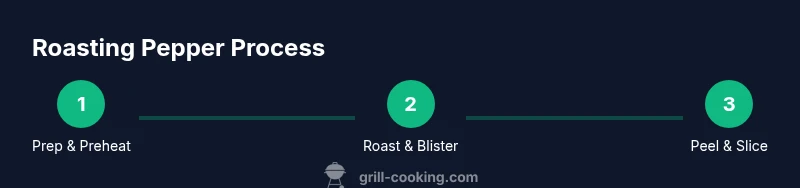
Preheat the oven to 450–475°F (232–246°C) or set to broil. While it heats, rinse and thoroughly dry the peppers, then trim stems and remove any seeds if desired. This initial prep ensures even roasting and reduces moisture that can hinder blistering.
Tip: Dry peppers completely; moisture inhibits blistering and can create steam instead of char. - 2
Oil and season
Lightly coat peppers with olive oil and sprinkle with a pinch of salt. This helps the skin blister and the flesh stay juicy. Toss gently to coat all sides without breaking the pepper flesh.
Tip: Use a light coating; too much oil can cause flames if you broil aggressively. - 3
Roast and blister
Arrange peppers on a rimmed sheet in a single layer. Roast in the hot oven, turning once with tongs until skins blister and char evenly, about 12–15 minutes per side depending on pepper size. The goal is deep, even color, not burned flesh.
Tip: Keep the oven at a steady high heat; frequent turning helps even scorching. - 4
Steam to loosen skins
Transfer blistered peppers to a covered bowl or sealable container. Let them steam for 10–15 minutes. Steam loosens the skin, making peeling effortless and reducing the risk of tearing the flesh.
Tip: Don't skip steaming; it dramatically improves peel quality and yields better texture. - 5
Peel, seed, slice
Peel away the charred skin, then remove seeds and membranes. Slice peppers into strips or chop as needed for your dish. Rinse lightly if there’s excess char, then pat dry.
Tip: Wear gloves during peeling to avoid irritation from pepper oils. - 6
Store or use immediately
Toss with a touch of oil and salt if desired, then use in recipes or store in the fridge for up to four days or freeze for longer storage. Roasted peppers add instant flavor to sauces, pasta, sandwiches, and salads.
Tip: Label frozen peppers with date to track freshness; plan to use within 6 months for best quality.
FAQ
Can I roast peppers in the oven if I don’t have a grill?
Yes. Roasting peppers in the oven delivers blistered skins and smoky flavor similar to grilling. Use a hot oven and keep peppers in a single layer for even browning.
Yes. You can roast peppers in the oven to get blistered skins and smoky flavor, just like grilling.
What temperature is best for blistering skins?
Roast at 450–475°F (232–246°C) to blister skins without burning the flesh. You can use broil for a faster finish, but monitor closely.
Roast at four hundred fifty to four hundred seventy-five degrees for blistering skins, and watch carefully if using broil.
How do I peel roasted peppers without tearing?
Steam the peppers after roasting. Place them in a covered container for 10–15 minutes, then peel; the skins slide off easily.
Steam them after roasting, then peel—the skins come off easily.
How long do roasted peppers last in the fridge?
Roasted peppers keep best in an airtight container for up to 4 days in the fridge. Freeze for longer storage.
They keep about four days in the fridge, or you can freeze them for longer.
Can I roast other vegetables this way?
Yes. This method works well for zucchini, onions, and even tomatoes when sized appropriately and roasted on a sheet with space.
Absolutely; you can roast other vegetables the same way with appropriate sizing.
Should I puncture peppers before roasting?
No need to puncture peppers before roasting. The high heat will blister skins regardless; piercing can let moisture escape unevenly.
Not necessary to puncture them; you’ll still get blistered skins.
Watch Video
Quick Summary
- Roast peppers at high heat to blister skins quickly.
- Steam peppers after roasting to ease peeling.
- Peel, seed, and slice for versatile uses.
- Store properly to maximize fresh flavor.
- Use roasted peppers in sauces, salads, and sandwiches.