Grill Chicken Sides: Perfect Pairings for Grilled Chicken
Discover tasty grill chicken sides that complement grilled chicken. Learn timing, prep, and recipe ideas to craft complete backyard meals that impress family and friends.


You can master flavorful grill chicken sides by pairing starchy sides such as potatoes or corn with veggie options like grilled asparagus, peppers, or zucchini. Plan timing so sides finish as the chicken rests, use indirect heat for veggies, and season with herbs that harmonize with your main protein. This approach creates a cohesive, delicious backyard meal.
Why pairing matters
When you grill chicken, the sides you choose do more than fill space on the plate. They create balance in texture, flavor, and color that elevates the entire meal. This is the essence of grill chicken sides: you want contrast (creamy potatoes with crisp chicken skin, bright greens with smoky meat), harmony (lemon butter with herbs), and practical timing. A thoughtful pairing helps the chicken shine by providing complementary tastes and preventing one-note meals. According to Grill Cooking, a well-planned plate increases overall satisfaction and makes weeknight grills feel like a restaurant experience. In practice, aim for a mix of 2-3 starch options, 2 vegetables, and a small sauce or glaze to tie everything together.
Building a Balanced Pairing Framework
To craft reliable grill chicken sides, anchor your plan on four pillars: texture, flavor, color, and ease of cooking. Texture matters: you want a crisp or char on veggies, a creamy or fluffy starch, and tender chicken. Flavor should span savory, tangy, and slightly sweet notes that complement the chicken without competing. Color adds visual appeal and signals a variety of nutrients. Ease of cooking affects your actual results on the grill; the best combos minimize active time and avoid multiple pans. Grill Cooking analysis shows that meals with well-timed sides tend to rate higher in overall satisfaction. By keeping these pillars in mind, you can select sides that work together as a cohesive plate. Practical tips: pick 2 starches, 2 vegetables, and a bright finishing sauce to finish the dish.
Starch Sides that Stand Up to Grilled Chicken
Starches provide heft and texture contrast when paired with grilled chicken. Potatoes in various forms (wedges, smashed, or roasted) bring warmth and richness that balance smoky meat. Corn on the cob adds sweetness and a crisp bite; give it a light char for extra flavor. Garlic bread or grilled pita offers a crunchy, buttery counterpoint. If you prefer lighter options, consider quinoa, rice pilaf, or even cauliflower rice; these absorb sauces nicely without crowding flavors. For best results, parboil or pre-roast starchy sides, then finish on the grill for a light crust and aroma. A general rule is to aim for starch sides that can be cooked in 15–25 minutes and maintain texture when sliced or forked. Pairing idea: lemon-herb butter on potatoes with a paprika-charred chicken breast.
Vegetables that Fire Up Flavor and Color
Grilled vegetables add color, nutrition, and contrast to a plate. Try asparagus spears, zucchini rounds, bell peppers, red onions, and corn kernels grilled in a single pass. Toss vegetables with a touch of oil, salt, and pepper, then allow them to blister and char slightly on direct heat before moving to indirect heat if needed. The goal is crisp-edged vegetables with a tender center. Flavor boosters such as lemon zest, garlic, fresh herbs, or a light balsamic glaze brighten the final dish. Vegetables complement chicken by cutting fattiness and providing refreshing acidity or sweetness depending on the choice. Serve hot for best texture and flavor impact.
Sauces, Marinades, and Finishing Touches
A well-chosen sauce or finishing butter can unify a plate of grilled chicken and sides. Chimichurri or a bright herb vinaigrette accents vegetables and chicken without overpowering them. A lemon-herb browned butter or garlic-herb sauce adds gloss and a touch of acidity that lifts the meat and starch. For fans of BBQ flavors, a light glaze brushed over corn or potatoes can tie the dish together; apply near the end of grilling to avoid burning. Always taste before serving, and adjust salt and acid to balance the plate. A small dollop of yogurt-based sauce can provide creaminess without heaviness.
Timing, Heat Zones, and Cooking Flow
Efficient grilling relies on coordinating heat zones. Set one area to direct high heat for searing chicken and quick-grilling vegetables, and another area to indirect heat for finishing and warming sides. Start sides that require longer cooking first, then bring in chicken for the final 12–15 minutes. Use a thermometer to verify poultry reaches 165°F (74°C) and rest for 5–10 minutes before slicing. Veggies can be added in waves, starting with thicker items like potatoes and peppers, then delicate items like asparagus at the end. Maintaining a steady rhythm reduces flare-ups and keeps flavors intact. Keep sauces or oils on the side to finish at the table for freshness.
A Simple Checklist for a Complete Plate
- Plan 2 starch options and 2 vegetables that share similar cooking times.
- Preheat and zone your grill for direct and indirect heat.
- Par-cook long-cook sides off the heat to speed finishing on the grill.
- Verify chicken 165°F with a thermometer and rest before slicing.
- Finish with a bright finishing sauce or herb butter for cohesion.
- Plate while hot and serve immediately for best texture.
Troubleshooting and Common Pitfalls
Common issues when grilling chicken sides include soggy vegetables, under-seasoned starches, and uneven cooking. To avoid sogginess, pat vegetables dry and grill in a single layer; avoid overcrowding. If starches are under-seasoned, a quick toss with salt, pepper, and a touch of oil on the rack refreshes flavor. Uneven cooking often comes from inconsistent heat or thick pieces; ensure uniform sizes and monitor with a thermometer. Also watch for over-browning on delicate items; move them to indirect heat sooner. Finally, avoid cross-contamination by using separate utensils and plates for raw chicken and cooked sides.
Plating and Serving Ideas for a Crowd
Aim for a colorful, varied plate with a mix of textures. Use a large shared platter with wedges or bowls: roasted potatoes, corn on the cob, and grilled veggies arranged around sliced chicken. Garnish with fresh herbs and a light squeeze of lemon to brighten flavors. Offer a small trio of condiments: a bright chimichurri, garlic butter, and a tangy yogurt sauce to accommodate different tastes. For larger gatherings, set up a “build-your-own” station with options that stay warm on a grill-safe pan. This approach keeps service simple and results delicious across a crowd. The Grill Cooking team recommends serving everything hot and together for best results.
Tools & Materials
- Grill tongs(8-12 inches)
- Digital instant-read thermometer(Probe tip, 0.1°C accuracy; verify chicken 165°F)
- Grill brush(Clean grates before cooking)
- Aluminum foil or grill-safe pan(For resting or steaming sides)
- Spatula(Flipping and moving items)
- Chef's knife and cutting board(Prep sides and herbs)
- Oil with neutral flavor(Coat vegetables for crispness)
- Small bowls and tongs for sauces/seasonings(Optional but helpful)
- Serving dishes(Optional)
Steps
Estimated time: 60-90 minutes
- 1
Plan your menu and prep ahead
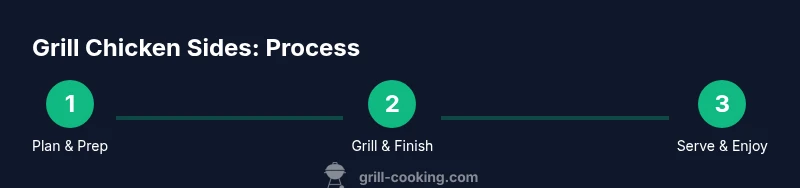
Decide on 2-3 starch options, 2 vegetables, and a sauce. Pre-wash, trim, and cut vegetables; pat dry chicken. This helps you stay organized and reduces grill time.
Tip: Write a quick timeline and set alarms to stay on track. - 2
Preheat grill and set zones
Heat one section to high for searing the chicken and a second section to indirect heat for finishing. Create a safe zone for delicate vegetables so they don’t burn.
Tip: Use a two-zone setup for flexibility and better control. - 3
Par-cook starches if needed
Par-cook potatoes or par-boil rice so they finish on the grill with a flavorful crust, avoiding undercooked centers. This saves time during the main grilling phase.
Tip: Keep par-cooked items in a warm, dry place to prevent sogginess. - 4
Grill chicken to safe temp
Cook chicken to an internal temperature of 165°F (74°C). Let it rest for 5–10 minutes to reabsorb juices before slicing for serving.
Tip: Turn once or twice to avoid dry patches and ensure even browning. - 5
Grill sides with coordinated timing
Add corn, peppers, and root vegetables first, then greens and delicate items last. Rotate as needed and monitor heat to prevent charring.
Tip: Finish delicate items over indirect heat to preserve texture. - 6
Plate with finishing touches
Slice chicken, arrange sides on a platter, and apply finishing sauce or herb butter. Serve immediately for best texture and flavor.
Tip: A quick drizzle of lemon juice or a fresh herb spray brightens the plate.
FAQ
What are the best side dishes to pair with grilled chicken?
Aim for two starch options and two vegetables that balance the meat's smoky flavor. Add a bright sauce to tie the plate together. Consider options like roasted potatoes, corn on the cob, grilled asparagus, and a lemon-herb butter.
The best pairings are two starches, two vegetables, and a bright finishing sauce that complements the chicken.
How do I time sides with chicken on a single grill?
Plan longer-cooking sides first, then bring in chicken for the final stretch. Use indirect heat for softer veggies and direct heat for searing. Check temperatures regularly to avoid overcooking.
Plan longer sides first, then add the chicken to finish together.
Can I prep sides in advance?
Yes. Pre-cut vegetables, par-cook starches, and mix sauces ahead of time. Keep components refrigerated and finish on the grill just before serving for maximum texture and freshness.
Yes, you can prep ahead and finish on the grill to keep flavors fresh.
What heat level should I use for vegetables?
Use a mix of direct high heat for charring and indirect heat to finish. This keeps vegetables crisp on the outside and tender inside without burning.
Use high heat for a quick sear, then indirect heat to finish.
Are pre-made sides acceptable with grilled chicken?
Pre-made sides can work, but aim for versions that reheat well and won’t lose texture on the grill. Enhance them with fresh herbs or a finishing drizzle to refresh flavors.
Pre-made sides are okay if they reheat well and stay vibrant on the grill.
How do I avoid soggy sides on the grill?
Pat vegetables dry, grill in a single layer with adequate space, and avoid adding excess moisture. Finish with a light glaze or oil just before serving to preserve crispness.
Keep veggies dry and grill in a single layer to avoid sogginess.
Watch Video
Quick Summary
- Plan ahead for a cohesive plate
- Balance flavors and textures across starch, veg, and sauce
- Coordinate heat zones to finish on time
- Rest chicken; finish with bright finishing touches
- Serve hot for best texture and aroma