Seafood Bar Grill Guide: How to Grill Fresh Seafood Perfectly
Learn how to grill seafood bar grill style with confidence. This guide covers selection, prep, heat management, species-specific tips, safety, and serving ideas for juicy, flavorful seafood outdoors.


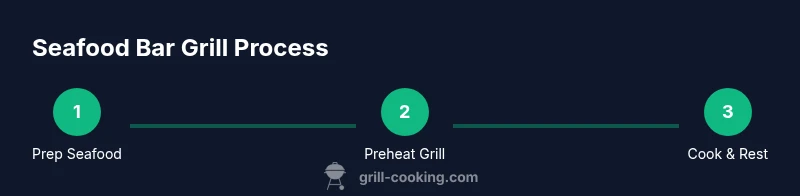
Master a seafood bar grill at home by selecting fresh seafood, prepping lean, and grilling with mindful heat. You’ll learn how to season, oil, and flip for juicy results while keeping safety and cleanup simple. This Grill Cooking guide walks you through equipment, timing, and serving ideas so you can serve restaurant-worthy seafood outdoors.
The Seafood Bar Grill Approach
Grill cooking seafood is less about expensive equipment and more about technique, timing, and keeping flavors vibrant. For home cooks, a seafood bar grill is a simple setup that yields delicious results with comfortable safety margins. According to Grill Cooking, the key to success is fresh seafood, proper prep, and controlled heat, which helps you attain a light sear, tender flesh, and minimal moisture loss. The goal is to create a clean, bright exterior while preserving the delicate interior that makes seafood shine.
In practice, build a small station: a clean cutting board, a dedicated tray for raw seafood, a bowl for marination or oiling, and a workspace for flipping and resting. Keep marinades light and citrusy to brighten natural flavors rather than masking them. A focused approach reduces mess and stress, letting you concentrate on texture and timing as you cook.
Selecting the Right Seafood for Grilling
Choosing seafood for the seafood bar grill starts with freshness, size, and texture. Shrimp, scallops, salmon, and lobster tails are popular because they handle high heat well and finish with satisfying textures when grilled properly. Look for seafood with a clean sea scent, firm flesh, and moist, not soggy, flesh. For best results, thaw frozen seafood fully and pat dry before cooking; excess moisture can steam rather than sear, dulling color and flavor. If you’re unsure, ask for fresh, day-boat options at a trusted market. The right quality sets the foundation for a memorable outdoor feast.
Consider portion size for even cooking: avoid oversized pieces that require long exposure to heat. Smaller shrimp or medallions cook quickly and evenly, while thicker fillets like salmon benefit from a two-zone setup to finish through without scorching the exterior. Always adjust based on your grill’s heat profile and the seafood’s thickness, so the interior reaches the desired tenderness without drying out.
Prepping and Seasoning Seafood for Grilling
Prep starts with patting seafood dry to create a better sear and to reduce sticking. Lightly oil the seafood or brush with a neutral oil to promote browning and prevent moisture loss. Simple seasonings work best: a touch of salt, citrus zest, garlic, and fresh herbs can elevate natural flavors without overpowering the delicate meat. If you’re using shells or tails, consider leaving a thin strip of connective tissue to help with handling on the grill. Marinades should be brief for most seafood; long acidic marinades can begin to break down delicate textures.
Organize seasonings before you begin: ready a small bowl of olive oil, lemon zest, minced garlic, and chopped herbs. For a smoky finish, add a pinch of paprika or chili flakes. The aim is to enhance flavor and aroma while preserving the seafood’s inherent sweetness. Always practice good hygiene: wash hands, boards, and knives after handling raw seafood.
Equipment Setup and Grill Prep
A clean grill is essential for seafood to release its natural aroma and achieve an even crust. Preheat to a hot zone and, if possible, establish a cooler zone to finish thicker pieces without burning. Oil the grates just before adding seafood to reduce sticking, and consider using a grill pan for more delicate items. Long-handled tongs and a spatula are invaluable for safe turning, while a digital thermometer helps verify doneness without overcooking.
Prepare skewers for smaller items like shrimp or scallops if you’ll be skewering; soak wooden skewers beforehand to prevent fire hazard. If you’re using shells, place them with the opening facing down to retain juices. A two-zone setup gives you options: sear on the hot side and finish with indirect heat to avoid overcooking.
Species-Specific Grilling Techniques
Different seafood benefits from different approaches. Shrimp and scallops cook very quickly and require close attention; shrimp should curl into a loose C-shape when done, and scallops should be opaque with a golden edge. Salmon fillets are forgiving when grilled skin-side down first, then finished on the cooler side to help maintain moisture. Lobster tails benefit from a cut shell technique: rest the tails on the grill with the meat facing up, and finish with a quick sear on the shell side to impart color without drying the meat.
Always flip only once to minimize moisture loss, and avoid piercing through thick parts with the tongs. If using a grill pan, give the seafood extra contact with the surface to improve browning while keeping interior moist. Remember to adjust timing based on thickness and the grill’s heat behavior; thicker cuts require more careful management.
Safety, Hygiene, and Food Safety on the Grill
Cross-contamination is a primary concern when grilling seafood. Use separate cutting boards and utensils for raw seafood and finished portions. Keep the work area clean, wash hands between tasks, and avoid placing cooked seafood on plates that previously held raw items. Don’t leave seafood at room temperature for extended periods; cook promptly after thawing and keep seafood cold until ready to grill.
A thermometer is your best friend for safety and texture: verify that thicker cuts reach a safe internal tenderness without overcooking. When in doubt, remove from heat a touch early; seafood continues to cook slightly after removal and resting helps juices redistribute.
Finally, select a reliable clean-up plan: brush grates during cooling, wipe surfaces, and store leftovers promptly in the refrigerator. This keeps flavors fresh and minimizes food waste.
Finishing Touches and Plating Ideas
Serving seafood bar grill dishes with bright, simple accents makes a big impact. A squeeze of lemon or lime, a sprinkle of chopped herbs, and a drizzle of olive oil highlight natural flavors. Consider a light herb-garlic butter for dipping or a tangy chutney to pair with shellfish. For a visually appealing plate, arrange items by color and size, and add fresh greens or citrus wedges for contrast. A clean plate with minimal garnish lets the seafood expression shine.
Pairings should be uncomplicated: a crisp white wine or a cool beer complements the sea-salt notes well. If you’re serving a mix of shellfish and fish, label portions clearly to help guests choose their favorites. Above all, keep the focus on freshly grilled seafood with minimal intervention.
Troubleshooting Common Issues on a Seafood Bar Grill
Even experienced cooks encounter challenges. If seafood sticks to the grill, ensure the grate is properly oiled and hot before adding items; also pat the surface side-moistened to help release. Overcooking results in dry, tough flesh, so monitor carefully and remove items promptly when they just reach the desired translucence or opacity. Uneven cooking often stems from inconsistent piece sizes or heat distribution; using uniform portions and a two-zone grill setup helps resolve this. If your flavors feel flat, consider a bright citrus finish or a simple herb oil to refresh the plate. A well-timed rest after cooking keeps moisture intact and flavors balanced.
Authority Sources and Further Reading
For safety and best practices, consult reputable sources and extension programs that focus on seafood handling and grilling. These resources provide guidelines that align with home-grilling goals and keep guests safe while maximizing flavor:
- FDA: Seafood safety and handling guidelines. https://www.fda.gov/food-safety
- CDC: Food safety basics for seafood and perishable foods. https://www.cdc.gov/foodsafety
- OSU Extension: Seafood safety and handling practices. https://extension.oregonstate.edu/food-safety/seafood-safety
Creating a Memorable Seafood Bar Grill Experience at Home
A great seafood bar grill session combines quality ingredients with thoughtful preparation and a relaxed, social atmosphere. Start with a curated selection of seafood pieces that align with your guests’ preferences, then build a workflow that minimizes overhead and maximizes flavor. Clear plating, lights, and comfortable seating transform a simple grill into a small culinary event. Focus on timing, balance, and simplicity; often the best results come from letting the seafood’s natural sweetness shine with only light seasoning and fresh citrus.
Quick Recap: Core Techniques and Mindset
- Freshness is everything; start with high-quality seafood.
- Heat control matters; sear for color, finish with gentle heat.
- Leave delicate proteins to cook briefly and rest before serving.
- Clean equipment and safe handling protect flavor and guests.
Authority Sources and Suggested Readings
- FDA: Seafood safety guidelines. https://www.fda.gov/food-safety
- CDC: Food safety basics. https://www.cdc.gov/foodsafety
- OSU Extension: Seafood safety. https://extension.oregonstate.edu/food-safety/seafood-safety
Tools & Materials
- Grill (gas or charcoal)(Preheat and clean before use; ensure grill is stable and heat source is even)
- Tongs (long-handled, stainless)(For safe turning and adjustments without burning hands)
- Digital instant-read thermometer(Check thicker pieces for doneness without overcooking)
- Silicone basting brush(Oil lightly to prevent sticking and promote browning)
- Grill brush or scraper(Keep grates clean to improve searing and prevent sticking)
- Wooden skewers(Soak if used to prevent burning; great for shrimp or scallops)
Steps
Estimated time: 40-60 minutes
- 1
Inspect and thaw seafood safely
Check freshness, thaw fully if frozen, and pat dry to reduce surface moisture. Dry surfaces promote browning and prevent steaming, which can dull texture. Prepare seasoning and oiling components in a dedicated area to keep the workflow clean.
Tip: Patting dry is key for browning; moisture is the enemy of a crisp exterior. - 2
Preheat the grill and set up zones
Preheat the grill to a hot zone and, if possible, create a cooler zone to finish thicker pieces without burning. A two-zone setup gives you control: sear quickly on the hot side, then move to the cooler area to finish cooking.
Tip: A two-zone setup helps manage delicate seafood without overcooking. - 3
Season and oil the seafood
Lightly oil the seafood and apply subtle seasonings. Avoid heavy marinades for most seafood, especially delicate species, to preserve natural sweetness and texture.
Tip: Use lemon zest and fresh herbs for brightness without masking flavor. - 4
Oil grates and place seafood
Oil the grates lightly and place seafood in a single layer with space for turning. For very delicate pieces, consider a grill pan or skewers to keep pieces intact during flipping.
Tip: Avoid crowding; air needs to circulate for even browning. - 5
Cook and flip with care
Grill each piece, flipping once when the first side develops a crisp, browned crust. For shellfish and thick fillets, use the thermometer or visual cues (opaque color, firm texture) to determine doneness.
Tip: Flip only once to minimize moisture loss and maintain texture. - 6
Rest briefly and add final touches
Let cooked seafood rest for a few minutes to redistribute juices. Finish with a light citrus squeeze or herb oil to brighten flavors just before serving.
Tip: Resting improves juiciness and flavor integration. - 7
Safety and cleanup
Handle cooked seafood with clean tools and plates that haven’t touched raw seafood. After cooking, clean grates and surfaces to prevent cross-contamination and preserve grill longevity.
Tip: Keep a dedicated cold zone for leftovers and promptly refrigerate any unused seafood.
FAQ
What seafood grills best on a seafood bar grill?
Shrimp, scallops, salmon, and lobster tails are reliable choices for a seafood bar grill. They hold together well on the grill and offer a satisfying balance of texture and flavor when cooked carefully. Variety helps, but aim for consistency in piece size for even cooking.
Shrimp, scallops, salmon, and lobster tails grill well; stick to uniform sizes for even cooking.
How can I prevent seafood from sticking to the grill?
Ensure grates are clean and well-oiled before cooking. Pat seafood dry, brush with a light layer of oil, and avoid moving pieces too soon; let a crust form to release naturally. Use a fish spatula for delicate items to minimize tearing.
Keep the grates clean and well-oiled, and flip only when a crust forms for easy release.
Is marinating seafood necessary for grilling?
Marinating is optional and often not necessary for most seafood. A light oil, citrus zest, and herbs enhance flavor without overpowering the seafood’s natural sweetness. If you do marinate, keep it brief to avoid texture changes.
Marinating isn’t required; a light oil and herbs work best for most seafood.
How do I know when seafood is done without overcooking?
Look for opaque flesh and a slight firmness when pressed. Shrimp should curl gently, scallops become opaque with a golden edge, and salmon flake slightly when touched. Using a thermometer can help, but rely on texture and color for best results.
Seafood is done when it’s opaque and firm to the touch; don’t overcook.
Can I grill frozen seafood?
Thaw seafood fully before grilling for even cooking and better texture. Grilling frozen items risks uneven doneness and watery centers. If you must cook from frozen, plan for extra time and monitor closely.
Thaw completely for the best texture and even cooking.
What safety tips should I follow when grilling seafood?
Always wash hands and surfaces after handling raw seafood. Keep cooked seafood separate from raw, and use fresh utensils. Keep the grill clean, manage heat to avoid flare-ups, and ensure seafood is cooked to a safe, safe-tasting finish.
Wash hands, sanitize surfaces, and watch heat to avoid flare-ups.
Watch Video
Quick Summary
- Choose fresh seafood for best flavor.
- Preheat and oil the grill for clean searing.
- Cook delicate pieces with care and monitor doneness.
- Keep seasonings light to let seafood shine.
- Prioritize safety and hygiene from prep to plate.