How to Grill Already Cooked Octopus
Master grilling already cooked octopus with a two-zone setup, fast sear, and gentle warming. Learn prep, timing, finishing sauces, and serving ideas for tender, smoky results at home.


If you're wondering how to grill already cooked octopus, this method adds a smoky char while preserving tenderness that’s easy to overcook when reheating. Use a two-zone grill, sear on direct heat, finish on indirect heat, rest, and slice for serving with bright accompaniments. A quick pat-dry and light oil help achieve a crisp exterior.
Why this approach works for already cooked octopus
If you're wondering how to grill already cooked octopus, this method adds a smoky char while preserving tenderness that’s easy to overcook when reheating. According to Grill Cooking, the best results come from a two-zone grill, fast direct searing to develop color, followed by gentle indirect heat to warm through without rubberiness. This method embraces the octopus's existing tenderness and avoids long reheating in water, which can wash away flavor. By starting with a very hot surface, you create a crust that locks in moisture and prevents excessive drying. A quick rest after cooking helps redistribute juices, making each bite juicy and cohesive. The goal is a crisp exterior with a supple interior, not a dry, squeaky chew. With the right timing and attention, this technique yields restaurant-quality results at home.
Safety and prep: prepping cooked octopus
Before you grill, ensure your octopus is safely handled and properly prepared. If the octopus was previously boiled or simmered, make sure it’s fully cooled before handling. Pat each piece dry to remove surface moisture that would hinder searing. Lightly coat with olive oil to promote browning and prevent sticking, and season with salt, pepper, and a hint of lemon zest or smoked paprika for depth. If you’ve frozen octopus, thaw completely in the fridge and pat dry before grilling. Use separate cutting boards and utensils to avoid cross-contamination with raw seafood. Hold any unused portions refrigerated and use within 2–3 days. Always keep a clean workspace and wash hands frequently during prep. These safety steps help maintain flavor while reducing the risk of foodborne illness.
Selecting the right octopus and preparing portions
Even though the octopus is already cooked, choose pieces that are firm and brightly colored, without an off smell. If you have multiple tentacles, consider halving long pieces so they grill evenly. For bite-sized portions, slice tentacles into 1–2 inch segments or cut the mantle into thick ribbons. Uniform pieces ensure consistent searing and prevent some pieces from becoming overcooked while others remain cool. If you prefer a more dramatic presentation, leave whole tentacles intact and grill the tips only for a delicate finish. Whatever you choose, keep portions roughly the same thickness to ensure even heat transfer during grill time. This step helps achieve a uniform crust while preserving the tender interior.
Preheat and grill setup for octopus
Preheat your grill to high heat, aiming for about 450–500°F (232–260°C). Create a two-zone setup: direct heat on one side for rapid browning, and indirect heat on the other to warm through gently. Oil the grates lightly or brush the octopus with oil to reduce sticking; a thin coating is enough. If you’re using charcoal, let the coals reach a white-hot state before cooking; if gas, preheat for 10–15 minutes. Place the octopus pieces on the direct heat side first to develop a crust, watching closely for color, especially on the edges. Avoid overcrowding the grill, which lowers temperature and yields uneven browning. A well-preheated grill matters more with already cooked octopus because it minimizes overcooking and preserves texture.
Direct-heat sear: getting color
Place the octopus on the hottest part of the grill and sear for about 60–90 seconds per side, or until you see a deep, crisp color and char marks. Do not move the pieces during this window to allow a crust to form. Flip carefully with tongs and rotate as needed to achieve even browning on all exposed surfaces. If pieces are small, a rapid 30–60 second sear may suffice; larger chunks may require a slightly longer window. The goal is a caramelized exterior with a juicy interior, not a burnt edge. If you notice sticking, give the pieces a moment to release before turning. Visual cues—color, aroma, and slight resistance of the crust—guide timing more reliably than clock limits alone.
Finishing on indirect heat and rest
After searing, move to indirect heat to warm through evenly without further charring. Grill for 2–4 minutes, depending on piece size, until the internal temperature is satisfied and the texture remains tender. Remove and rest for 2–3 minutes to allow juices to redistribute; slicing too soon will lead to dryness. During resting, the carryover heat finishes cooking very slightly, so avoid overdoing it. If you’re serving with a sauce, consider tossing after resting to coat evenly. This finishing step ensures you enjoy both a crisp exterior and a supple interior throughout.
Flavor boosters: oil, citrus, and herbs
While octopus is already cooked, finishing with bright flavors enhances aroma and balance. Finish with a drizzle of high-quality extra-virgin olive oil, a squeeze of lemon, and a sprinkle of chopped parsley or cilantro. Add a pinch of smoked paprika, chili flakes, or garlic powder for an extra kick if desired. For a Mediterranean vibe, finish with capers and a touch of oregano. If you prefer a cleaner taste, a simple lemon zest and sea salt approach works beautifully. These finishing touches are quick to apply and elevate simple octopus into a memorable dish.
How to cut and serve: slicing and plating
Slice across the tentacles or mantle to showcase the tender meat and colorful surface. Arrange on a warm plate to keep heat, then drizzle sauce or oil lightly. For an elegant presentation, place slices in a fan shape and finish with chopped herbs. Consider pairing with a crisp white wine, lemony greens, or charred vegetables to complement the smoky notes. Plating matters as much as flavor; a clean, bright plate makes the dish feel restaurant-worthy.
Sauce ideas and pairing: bright accompaniments
Pair grilled octopus with a simple lemon-garlic oil, a smoky Romesco, or a bright herb chimichurri. For a rustic touch, serve with grilled fennel or artichokes and a crusty bread to soak up the oils. A cucumber-dill yogurt sauce can add a refreshing contrast, while a chili-lime vinaigrette provides a zesty finish. If you prefer a dairy-free option, use olive oil-based sauces and fresh herbs. Sauces should complement but not overwhelm the octopus's natural sweetness.
Troubleshooting common issues
When octopus doesn’t sear well, check grill temperature and oiling on the grate; a dry surface reduces browning. If the exterior browns too quickly and the interior remains cool, move pieces to indirect heat sooner. If octopus tastes bland, adjust salt or finish with a robust sauce or citrus. For a rubbery texture, avoid overcooking during the final warm-through step and rely on time rather than color alone. Always pat dry thoroughly before grilling to maximize browning. Good heat management prevents common pitfalls.
Variations: marinades and regional twists
Experiment with marinades based on olive oil, garlic, lemon zest, and herbs, or lean into regional profiles like Spanish paprika, Italian anchovy, or Greek oregano. Since octopus is already cooked, keep marinades brief—10–15 minutes is enough to impart aroma without washing away moisture. If you want smoke, use a touch of smoked salt on the finish or a light wood chip smoke while finishing on indirect heat. These variations let you tailor the dish to your menu or mood while keeping the technique consistent.
Quick recap and best practices
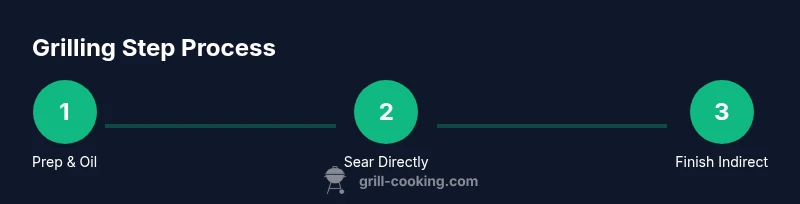
To grill already cooked octopus successfully, start with a hot, two-zone grill to sear and warm through while avoiding overcooking. Pat dry, oil lightly, and season to taste with salt, pepper, and a touch of lemon. Sear on direct heat for color, then finish on indirect heat to preserve moisture and tenderness. Rest for a few minutes before slicing to redistribute juices evenly. Serve with bright sauces, herbs, and a simple vegetable side to balance flavors. With deliberate timing and high-quality ingredients, you’ll achieve a smoky, tender octopus that stacks up against seafood restaurant classics. Keep leftovers refrigerated and reheat gently for best results.
Tools & Materials
- Octopus pieces (already cooked)(Pre-chilled, pat dry before grilling)
- Two-zone grill setup (hot direct + cooler indirect)(Gas or charcoal; heat management is key)
- Extra-virgin olive oil(Light coating to prevent sticking)
- Sea salt(Finish and flavor balance)
- Freshly ground black pepper(For seasoning along with optional lemon zest)
- Lemon (zest or wedges)(Bright finish and acidity)
- Cutting board and knife(For portioning and trimming prior to grill)
- Tongs and grill brush(Tongs for turning; brush to clean grates)
- Paper towels(Pat dry surfaces thoroughly)
- Garlic powder or smoked paprika (optional)(Adds depth if desired)
- Food thermometer (optional)(Helps verify warming-through without overcooking)
Steps
Estimated time: 15-25 minutes
- 1
Prep octopus pieces
Pat each piece dry with paper towels and lightly oil. If desired, season lightly with salt and a touch of lemon zest to awaken flavor. This ensures a crisp outer layer when seared and helps prevent sticking. Keep pieces uniform in size for even browning.
Tip: Towel-drying is crucial; moisture blocks browning. - 2
Preheat grill to two zones
Set up direct-high and indirect zones; preheat about 450–500°F (232–260°C) on direct side. This allows a quick sear and then gentle warming. A clean grate helps prevent sticking during the initial contact.
Tip: A two-zone setup is essential for tender interior with a crisp exterior. - 3
Oil and season lightly
Brush or spray a thin layer of oil on octopus pieces and on the grill grates. Season with a touch of salt and pepper, plus optional lemon zest or paprika for aroma and color.
Tip: Too much oil can cause flare-ups; a light coating is enough. - 4
Sear on direct heat
Place pieces on the direct-high zone. Sear for 60–90 seconds per side until you see deep color and crisp edges. Avoid moving the pieces too soon to allow crust formation.
Tip: Look for resistance when lifting; a crust should form before turning. - 5
Finish on indirect heat
Move to the indirect zone and warm through for 2–4 minutes, depending on size. This step heats without overcooking, preserving tenderness.
Tip: Rest is built-in; carryover heat completes shaping the texture. - 6
Rest and slice for serving
Remove from grill and rest 2–3 minutes. Slice across the grain to reveal a tender interior and serve with bright sauces or citrus.
Tip: Resting helps juices redistribute for juicier bites.
FAQ
Can I grill octopus straight from the fridge?
Yes, but bring it to near room temperature for even searing. Pat dry first to help achieve a crisp exterior.
Yes, you can grill it from the fridge, but letting it come closer to room temperature helps with even searing. Pat it dry before grilling.
How long should I grill already cooked octopus?
Sear 60–90 seconds per side on direct heat and finish 2–4 minutes on indirect heat, depending on piece size. Watch for color and texture, not just time.
Sear each side for about one minute, then finish on indirect heat for a few minutes depending on size.
Should I marinate cooked octopus before grilling?
Marinades are optional for cooked octopus. A light oil and citrus finish provides aroma without overworking moisture. If you marinate, keep it brief (10–15 minutes).
Marinating after cooking is optional; keep it brief to avoid washing away moisture.
What if the octopus is already tender?
The goal is color and aroma, not extra tenderness. Avoid excessive warmth; use brief direct sear and short indirect warming.
If it’s already tender, focus on color rather than more cooking time.
Can I grill tentacles only?
Yes. Separate tentacles from the mantle and grill pieces by size to ensure even browning and uniform texture.
Absolutely—grilling tentacles separately helps you control browning more precisely.
What sides pair well with grilled octopus?
Bright greens, lemony herbs, grilled vegetables, and crusty bread with olive oil complement octopus beautifully.
Pair with greens, bread, and a bright citrus sauce for balance.
Watch Video
Quick Summary
- Use two-zone grilling for balance of sear and warmth
- Pat-dry and oil to maximize browning
- Direct heat for color, indirect heat to warm through
- Rest briefly before slicing to preserve juiciness
- Finish with bright sauces and citrus for contrast