How to Cook Lobster on the Grill
Learn to grill lobster tails and whole lobsters with confidence. This step-by-step guide covers prep, heat, timing, and a butter-basted finish for juicy, smoky seafood straight off your grill.


By the end of this guide you’ll be able to grill lobster with confidence, whether you’re cooking tails or whole lobsters. You’ll learn prep, heat selection, timing, and finishing with a butter baste for juicy, smoky meat. From tails to whole lobsters, this practical method delivers consistent results. It also covers safe handling and how to avoid overcooking.
Why Grilling Lobster Is Worth It
Grilling lobster takes advantage of direct heat to caramelize the shell and lock in the delicate, sweet flesh inside. The result is a smoky, slightly charred crust that complements the lobster’s natural sweetness. According to Grill Cooking, a well-timed finish with butter and citrus elevates the dish without masking the lobster's flavor. The method shines for both lobster tails and whole lobsters, offering a social, interactive grilling experience. When you grill, you control heat more precisely than with boiling, which helps prevent overcooking and drying out the meat. With a few simple steps, you unlock a restaurant-quality seafood experience in your backyard. This approach celebrates the lobster’s natural texture and aroma, while giving you room to experiment with herbs and citrus. It’s a versatile technique that pairs beautifully with grilled corn, a crisp salad, or a cold beer on warm evenings.
Choosing Lobster for the Grill
For best results, select lobster that smells clean and fresh. If you’re buying tails, look for firm, juicy meat and intact shells. If you’re buying live lobsters, choose active animals with bright eyes and alert moves; avoid sluggish ones. Frozen tails are convenient, so thaw them safely in the refrigerator before grilling. If you’re new to seafood grilling, start with thawed tails before attempting whole lobsters. When you choose whole lobsters, look for ones with intact, shiny shells and a healthy, robust appearance. Fresh or thawed options both grill well, but planning ahead makes timing much easier.
Prep and Safety
Safety and prep are the foundation of great grilled lobster. Keep raw lobster separate from ready-to-serve ingredients to avoid cross-contamination. Thaw frozen tails in the refrigerator overnight or use a quick cold-water thaw method if you’re pressed for time. Pat the meat dry and pat the shells dry as well to promote even browning. Have your tools ready: tongs, a sharp knife or kitchen shears for tail splitting, a silicone basting brush, melted butter, lemon wedges, and a digital thermometer to verify doneness. Wear heat-resistant gloves when handling hot shells and always keep the grill stable and clean to prevent flare-ups.
Direct vs Indirect Grilling: When to Use Each
Direct heat is excellent for tails and split-shell techniques, letting the surface caramelize while the meat finishes inside the shell. Indirect heat is useful when cooking whole lobsters, where you can finish by searing the exterior without overcooking the interior. A common approach is to start with direct heat to color the shell, then briefly move to indirect heat to finish. For tails, you can keep a steady direct heat and flip once for even color. If your grill runs hot, switch to indirect heat after the initial sear to avoid charring.
Temperature, Timing, and Doneness
Aim for a grill surface around 425-450°F (218-232°C). For tails, expect 8-12 minutes total, turning once or twice for even color. Whole lobsters usually require 12-15 minutes, depending on size, with the shells turning bright and the meat opaque. Use a thermometer to confirm doneness; the internal meat should reach about 140-145°F (60-63°C) for seafood, though many cooks prefer to pull at 135-140°F and let carryover heat finish to a safe level. Don’t hesitate to rely on visual cues: fully opaque white meat and a firm texture indicate doneness.
Flavor Boosters: Butter, Garlic, and Citrus
Melted butter with garlic, lemon zest, and a splash of white wine or stock makes a classic, flavorful baste. Brush the lobster halfway through cooking to build flavor without drowning the delicate meat. A final squeeze of lemon brightens the dish and helps cut through the richness of the butter. If you’re feeling adventurous, add fresh herbs like tarragon or parsley for a perfume that complements the grill notes.
Serving Ideas and Plating
Serve lobster with additional melted butter, lemon wedges, and a simple side such as grilled corn or a green salad. A light garlic butter sauce works well for dipping. Present the tails split lengthwise or the whole lobster on a warmed platter, with the butter brushed over the meat to ensure a glossy finish. For a more rustic presentation, serve with rustic bread for sopping up flavorful butter. Consider pairing with a crisp white wine such as Sauvignon Blanc or a cold lager to balance the richness.
Tools & Materials
- Lobster tails or whole lobsters(Fresh or thawed; tails are easiest for beginners)
- Gas or charcoal grill(Preheat to 425-450°F (218-232°C))
- Long-handled tongs(For turning and handling hot shells)
- Sharp knife or kitchen shears(Split tails or release meat from shell)
- Silicone basting brush(Apply melted butter evenly)
- Melted butter(For baste and finishing glaze)
- Lemon wedges(Brighten flavor at the table)
- Food thermometer(Confirm internal meat temp 145°F guide)
- Optional: aluminum foil(Useful for indirect-heat finish)
Steps
Estimated time: 40-60 minutes
- 1
Gather and prep ingredients
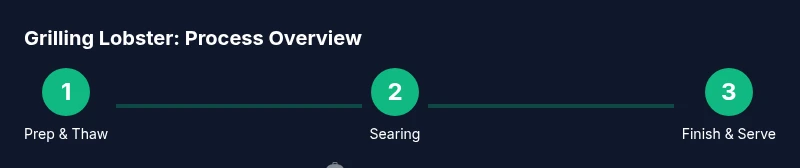
Collect lobster tails or whole lobsters, melted butter, garlic, lemon, and any herbs. Thaw frozen tails in the refrigerator overnight if needed. Pat meat and shells dry to improve browning. This sets you up for a clean cook.
Tip: Have everything measured and ready before you light the grill. - 2
Preheat the grill
Heat your grill to 425-450°F (218-232°C). A proper preheat ensures a quick sear and prevents sticking. If using a two-zone setup, prepare a direct heat zone and an indirect zone for finishing.
Tip: Clean the grates well to reduce sticking and ensure even browning. - 3
Prepare lobster tails or lobsters
For tails, lay them on their backs and cut a shallow lengthwise slit to expose the meat. For whole lobsters, split the body or crack the carapace slightly to help heat penetrate. Pat dry again after handling.
Tip: Split tails before grilling to promote even cooking and a cleaner shell bite. - 4
Start with direct heat for color
Place tails or lobsters over direct heat to color the shells and start cooking the meat. Flip as needed to avoid burning the shell while achieving a nice sear.
Tip: Watch closely for flare-ups; move items to indirect heat if needed. - 5
Finish with indirect heat and baste
Move to indirect heat to finish cooking without over-charring. Brush with melted butter infused with garlic during the process and flip once more if needed until the meat is opaque.
Tip: Keep a small amount of butter nearby for a quick re-baste in the final minutes. - 6
Check doneness and rest
Use a thermometer to confirm internal temperature near 145°F (63°C) for the meat. Let the lobster rest 2-3 minutes before serving to let juices redistribute.
Tip: Resting improves juiciness and flavor integration.
FAQ
Can you grill a live lobster?
Grilling live lobsters is possible but not ideal for beginners; many home cooks prefer to humanely kill or pre-cook the lobster first. Always ensure humane handling and follow food-safety guidelines.
Grilling live lobsters is possible but beginners often prefer pre-cooked or par-cooked methods for safety and easier timing.
Should I thaw lobster tails before grilling?
Yes, thaw tails in the refrigerator overnight for even cooking. If you’re in a rush, place the tail in cold water for 20-30 minutes to speed thaw, then pat dry before grilling.
Yes, thaw tails before grilling for even cooking and better texture.
What temperature should I grill at?
Aim for a consistent 425-450°F on the grill. This range gives a good sear without overcooking the meat, and it pairs well with butter baste and citrus.
Grill at about 425-450 degrees for best results.
How can I tell when lobster is done?
The meat should be opaque and firm. Internal temperature should reach about 145°F as a safety guideline; carryover heat will finish cooking the rest.
When the meat is opaque and firm, check with a thermometer around 145°F.
Can I grill lobster with butter?
Yes. Butter enhances flavor, but add it in layers so it doesn’t burn. Melted butter with garlic and lemon works beautifully as a finishing glaze.
Absolutely—butter is great; baste during cooking and finish with a lemony drizzle.
What sides pair well with grilled lobster?
Light, bright sides like grilled corn, a crisp green salad, and crusty bread with extra butter complement the richness of lobster.
Pair with corn on the cob, salad, and extra butter for dipping.
Watch Video
Quick Summary
- Preheat grill to 425-450°F for best sear.
- Split tails or crack shells to expose meat.
- Finish with butter-basted flavors and citrus for brightness.
- Cook until meat is opaque and reaches ~145°F.
- Let rest briefly before serving.