Can You Grill Salmon? Mastering Perfect Grilled Salmon
Grill salmon to perfection with expert tips on selection, heat control, seasoning, and serving—designed for home cooks seeking juicy, reliable results.


Grilling salmon is absolutely feasible and repeatedly delicious when you control heat, choose good fillets, and handle the fish with care. This guide walks you through selecting the right salmon, prepping, seasoning, and using two effective grilling methods to ensure a moist, flavorful fillet. With a clear, step-by-step approach, you’ll answer can you grill salmon with confidence and produce consistently satisfying results. This method scales from weeknights to weekend cookouts.
Can you grill salmon?
Yes, you can grill salmon, and doing it well is less mysterious than it seems. Can you grill salmon? Absolutely—when you control heat, choose the right cut, and handle the fish gently. The Grill Cooking team has tested countless fillets, and our conclusion is straightforward: salmon thrives on direct heat with careful temperature management. This section sets the stage by addressing the fundamentals: why salmon grills behave differently from steak, how fat content influences moisture, and what you should expect from a perfectly grilled fillet. You’ll learn to read color changes, rely on timing rather than guesswork, and use simple checks to avoid overcooking. By starting with a clean grill and dry fillets, you reduce sticking and ensure even browning. The goal is a slightly crisp exterior with a moist, rosy center, and that starts with a plan: high enough heat to sear, but steady enough to finish through the middle. Keep your tools handy, and remember that the best results come from consistent practice and attention to detail. This is where home cooks gain real confidence in the grill.
Grill salmon using a two-zone setup or a direct-heat approach depending on fillet size and grill type. Either method benefits from dry fish, proper seasoning, and a thermometer to verify doneness. If you’re new to grilling, start with a skin-on fillet; the skin protects the meat and helps prevent sticking while adding a crisp texture. Throughout this guide, you’ll find practical steps, common pitfalls, and tested tips that align with Grill Cooking’s philosophy of precise technique and minimal waste.
Selecting salmon and prep
Choosing the right salmon is more about cut and freshness than brand hype. Look for bright, firm flesh and a clean, faint ocean scent. For grilling, skin-on fillets are often easiest to manage; the skin acts as a natural barrier to moisture loss and prevents the flesh from sticking to the grate. Size matters: 6–8 ounce portions grill evenly and stay tender; larger fillets may require finishing over indirect heat. If you’re buying whole fillets, portion them yourself to ensure consistent cooking. Thaw frozen fillets slowly in the refrigerator or under cold running water if needed, then pat dry thoroughly with paper towels. Any surface moisture will steam the surface rather than sear, so drying is critical for good browning. Before you cook, you can optionally brush with a light oil to promote evenness and create a barrier against sticking. A quick note on marinating: light, citrus-based marinades add flavor but can soften the meat; if you marinate, keep it short (15–30 minutes) to preserve texture. As always, handle fish gently to keep fillets intact. This prep step lays the foundation for juicy, well-seasoned salmon once it hits the grill.
Tools and grill setup
Having the right tools and a properly prepared grill are as important as the fish itself. You’ll need a clean grill grate, long-handled tongs, a fish spatula, and a digital or infrared thermometer to track internal temperature. Paper towels, a small brush for oil, and a sturdy cutting board help with prep and serving. If you’re cooking on charcoal, ensure the coals are arranged for two zones: hot for searing and cooler for finishing. For gas grills, preheat to medium-high (about 375–425°F) and then open up the vents slightly if you’re using a vented system to maintain stable heat. Oil the grate lightly to prevent sticking, or brush a small amount of oil directly on the fish if you prefer. Prep surfaces should be clean to avoid cross-contamination. The goal here is to create consistent heat zones and a surface that promotes even browning while protecting the delicate flesh from scorching.
A practical habit is to keep a small spray bottle of neutral oil handy for quick touch-ups if sticking begins. When you’re ready to cook, ensure you have a clean plate for resting and serving to preserve the fillet’s moisture after removal from the grill. This setup ensures you’re ready to hit the grill with confidence and precision, which is the essence of Grill Cooking’s technique philosophy.
Seasoning and marinades
Seasoning salmon is about balance—enhancing the fish’s natural sweetness without overwhelming it. A simple combination of kosher salt and cracked black pepper is a reliable baseline, allowing the salmon’s flavors to shine. If you want extra depth, a light, citrusy rub (lemon zest, garlic powder, and a pinch of paprika) adds aroma and color. For a marinade, keep it short and bright: olive oil, lemon juice, minced garlic, and herbs like dill or parsley work well. Always pat the fillets dry after marinating to reestablish a surface for browning. Avoid heavy marinades that introduce excess moisture, which can hinder searing and lead to a less crisp exterior. If you’re using skin-on fillets, you can favor rubs on the flesh while keeping the skin side relatively lean to avoid steaming. After seasoning, let the fish rest 5–15 minutes at room temperature to ensure even cooking. Remember, the goal is to enhance flavor while preserving the salmon’s delicate texture. Grill Cooking’s approach emphasizes clean, bright flavors that pair with simple sides and a light fresh finish.
Direct-heat grilling: skin-on method
Direct heat with the skin on is a classic approach that yields a crisp skin and a moist, tender interior. Start by preheating the grill to a steady medium-high temperature (about 400°F). Lightly oil the grate or brush the skin with a thin layer of oil to prevent sticking. Place the fillets skin-side down on the hot section and let them sear for 4–6 minutes, or until the skin is crisp and the flesh releases easily from the grate. Flip carefully using a fish spatula and cook for another 3–5 minutes until the center reaches the desired doneness. A good target interior temperature for medium doneness is 125–130°F, though color and texture are also reliable cues—the fish should be opaque but still slightly translucent in the center. If your fillets are thick, you can finish them over indirect heat for a few minutes to avoid scorching. Let rest 2–3 minutes before serving. This method creates a robust crust while preserving moisture inside, a hallmark of well-executed salmon on the grill.
Indirect-heat finish and rest
For thicker fillets or if your grill runs hot, finishing over indirect heat can help maintain moisture and uniform doneness. After the initial sear on direct heat, move the fillets to a cooler area of the grill, skin-side down, and cover if possible to trap heat. Cook for 5–8 more minutes, checking the internal temperature periodically. The aim is an internal temp around 125–130°F; remove the salmon a touch early if you prefer it more rare, as carryover heat will finish cooking during resting. Resting is essential for redistributing juices; loosely cover the fish with foil for 2–3 minutes. If you don’t have a two-zone setup, a foil tent can help create a similar effect by reflecting heat back onto the fish. This finish preserves moisture and produces a tender, flaky texture that complements a wide range of sauces and sides. Grill Cooking’s tested approach favors controlled heat and predictable outcomes, especially with thicker cuts.
Troubleshooting common issues
Salmon on the grill can occasionally stick, dry out, or fall apart if you rush the process. Sticking is often a sign of insufficient dryness or too-high heat; pat the fillets dry and lower the heat slightly if you’re seeing resistance during turning. Overcooking happens quickly with salmon; use a thermometer and remove fillets as soon as they hit the desired range. If the skin won’t crisp, ensure the grill is hot enough at the start and avoid moving the fish too early. If the flesh flakes apart when you lift it, you likely waited too long to flip or the heat was uneven; in future batches try a slightly thicker skin-on cut and maintain an even sear. A common fix is to sear skin-side down first and avoid excessive flipping, which preserves moisture and minimizes breakage. These adjustments help you tighten your technique and consistently produce juicy, well-textured salmon every time you grill.
Serving ideas and sauces
Serving salmon invites bright, simple accompaniments that complement its mild richness. A squeeze of lemon, a dollop of herb butter, or a light dill yogurt sauce can lift the flavor without masking the fish. Pair with grilled vegetables—asparagus, zucchini, or corn on the cob—to echo the grill’s smoky character. A small side of grains like quinoa or rice offers a neutral base that soaks up any citrusy or buttery sauces. For a healthy, fast option, serve salmon with a crisp green salad and a tangy vinaigrette. A touch of fresh herbs—dill, parsley, or chives—adds color and aroma. If you’re entertaining, consider offering a couple of dipping sauces: a bright lemon-caper dressing and a creamy herb mayo. The goal is to present your salmon as the star while keeping sides light and complementary, allowing the grill’s flavors to shine through. This approach aligns with Grill Cooking’s philosophy: precise technique enhances simpler, smarter flavor pairings.
Safety and cleanup after grilling salmon
Safety and cleanup are essential to repeatable success. Always wash hands and surfaces after handling raw fish to avoid cross-contamination. If you’re cooking indoors, ensure proper ventilation and monitor smoke levels to prevent accidental fires. After grilling, allow the grill to cool before cleaning the grate with a stiff brush to remove burnt-on bits. Use a food-safe scraper and wipe down surfaces to maintain a clean cooking environment. Store any leftover salmon promptly in a shallow container to help it chill quickly in the fridge, and reheat gently to maintain texture. A quick check after cooking—ensuring the temperature’s safe handling—helps prevent foodborne illness and keeps your gear in top shape for future grills. Regular cleaning extends your grill’s life and improves flavor consistency across sessions.
Tools & Materials
- Grill (gas or charcoal) with two-zone setup(Hot zone for searing, cooler zone for finishing)
- Digital thermometer or infrared thermometer(Target 125–130°F for doneness)
- Long-handled tongs(For flipping without breaking flesh)
- Fish spatula(Gentle lift and transfer of fillets)
- Oil (neutral) and brush or spray(Prevent sticking on skin and grate)
- Paper towels(Dry fillets and wipe surface as needed)
- Cutting board and knife(Portion fillets and trim as needed)
- Aluminum foil or tent(Use for resting and indirect heat finish)
Steps
Estimated time: Total time: 25-35 minutes
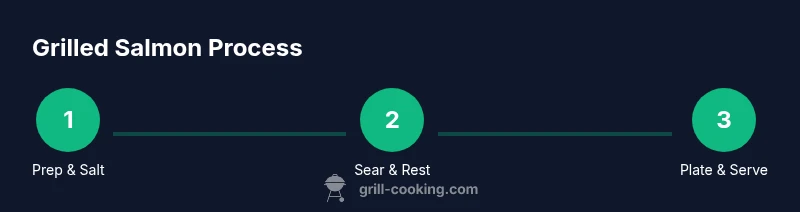
- 1
Prep the salmon
Pat fillets dry with paper towels. If marinating, do so briefly (15–30 minutes) and blot excess marinade before cooking. This ensures a good sear and prevents steaming the surface.
Tip: Dry surfaces yield better browning; moisture defeats the crust. - 2
Preheat the grill
Set up two zones and preheat to about 400°F on the hot side. A steady heat prevents scorching and allows for an even crust formation.
Tip: A quick spray of oil on the grate reduces sticking and helps crisp the skin. - 3
Oil and place skin-side down
Lightly oil the grill or brush the fillet’s skin. Place skin-side down on the hot zone and sear for 4–6 minutes until the skin is crisp and releases easily.
Tip: Avoid moving the fish during the first few minutes to form a crust. - 4
Flip and finish
Flip carefully with a fish spatula and cook 3–5 minutes more until the center shows slight translucence and the thermometer reads 125–130°F. Move to indirect heat if the surface browns too quickly.
Tip: Use a thermometer for accuracy; colors can vary with fat content. - 5
Rest the fillet
Remove from heat and let rest 2–3 minutes. Resting redistributes juices and keeps the flesh moist.
Tip: Tent loosely with foil to maintain warmth without steaming the skin. - 6
Plate and serve
Slice if desired and plate with light sides and a fresh herb garnish. A squeeze of lemon brightens the fish without overpowering its natural flavor.
Tip: Serve immediately for best texture; grilled salmon changes quickly as it cools.
FAQ
What is the best thickness for grilling salmon?
Fillets about 1 inch thick grill most evenly; thicker cuts may benefit from finishing over indirect heat, while thinner cuts cook quickly and risk drying out.
Aim for about one inch thick fillets for a reliable grill result; adjust heat accordingly for thicker or thinner pieces.
Should I grill skin on or off?
Skin-on helps protect the flesh and crisp the skin; you can remove it after cooking, but starting with skin on makes searing easier and juicier.
Keep the skin on during grilling for moisture and crispness, then remove if you prefer skinless fillets.
How do I prevent salmon from sticking?
Pat dry, oil the skin and grate, and ensure the grill is properly heated before placing the fish. Let the fish form a crust before attempting to flip.
Dry and oil the surface, give the salmon time to sear, and flip once the crust forms.
What is the ideal internal temperature for grilled salmon?
Aim for 125–130°F for a moist, medium doneness; the temperature will rise a bit during resting, bringing it to the desired finish.
Don’t go much higher than 130°F; let it rest a couple minutes after removing from heat.
Can I grill salmon from frozen?
Grilling from frozen is possible but not ideal; it often results in uneven doneness. Thaw first when possible for better texture and control.
Better to thaw before grilling for even cooking and crust formation.
Watch Video
Quick Summary
- Select skin-on fillets for moisture and crust.
- Use two heat zones to sear and finish without burning.
- Pat dry before cooking to improve browning.
- Check internal temp; 125–130°F yields moist, flaky salmon.
- Rest briefly to rediscover juices and texture.