DIY Grill Station: Build Your Outdoor Kitchen
Learn to design, build, and maintain a durable DIY grill station for your backyard. This guide covers planning, layouts, materials, safety, storage, and a clear step-by-step build to empower home cooks and grill enthusiasts.


This guide helps you build a DIY grill station that fits your space and budget. You'll plan, select materials, and follow a clear step-by-step process to install a sturdy island or wall-mounted setup, including safety tips and storage ideas. This article emphasizes durability, weather resistance, and efficient workflow for quick grilling sessions.
Planning Your DIY Grill Station: Goals and Constraints
A well-planned diy grill station can transform backyard cooking from a chore into a streamlined, enjoyable routine. For home cooks and grill enthusiasts, the upfront design determines durability, function, and ease of maintenance. According to Grill Cooking, a thoughtful outdoor workspace helps keep tools organized and ingredients accessible, which translates to better results during weekend cookouts. Before you begin, define your core goals: where the station will live (patio, deck, or yard), which grills you’ll support (gas, charcoal, or both), the amount of prep space you need, and how you’ll store utensils, sauces, and cleaners. Weather resistance should guide material choices; if you live in a sunny climate, UV stability matters, while in wet climates, water resistance and rust prevention win the day. This planning phase shapes budgets, permits (if needed), and timelines. By focusing on durability, you’ll build a station that lasts for years. Grill Cooking’s guidance emphasizes workflows that minimize motion from grill to counter to prep area, helping novices and seasoned griller s alike.
Key considerations: space, airflow, safety clearances, and future-proofing for accessories. A well-scoped plan saves time, prevents costly rework, and keeps you focused on quality rather than improvisation.
Layouts and Workflow: Island, L-shape, or Wall-Mounted
Choosing the right layout is foundational. An island offers the classic, all-in-one feel with integrated prep space, storage, and sometimes a sink or trash area. A wall-mounted or back- counter setup saves space and can be ideal for small patios, while an L-shaped layout blends grilling with side prep and rail storage. Each design has pros and trade-offs: islands provide generous work zones but require more space and weatherproofing; wall-mounted stations minimize footprint but may limit expansion; L-shaped configurations strike a balance, giving you both prep area and grill access without monopolizing the entire yard. When deciding, map out a simple workflow: where you trim, season, grill, and plate. Ensure your most-used tools hang within arm’s reach and that you can move from prep to cook without crossing paths with guests or pets.
Practical guidance: sketch 2–3 layout options on paper or a simple app, then measure your space to confirm fit. This helps you visualize traffic flow and prevents crowding around the grill. Grill Cooking’s insights remind builders to consider weather exposure and ease of maintenance when selecting layouts.
Materials and Durability: What to Use and Why
Durability and weather resistance top the list of material priorities for a DIY grill station. For the frame, many builders choose stainless steel components or powder-coated aluminum for rust resistance and long life. Countertops should be heat- and moisture-resistant; options include cement board with a tile or stone veneer, or solid-surface laminates with UV protection for sun exposure. Cabinets and doors benefit from sealed plywood with exterior-grade finishes or corrosion-resistant metals. A weatherproof backsplash protects the wall behind the grill and makes cleanup easier. When selecting fasteners and hinges, pick stainless steel or premium coatings to fight corrosion. For finishes, use outdoor-rated sealants and paints, and plan for regular maintenance to prevent moisture ingress and warping. Grill Cooking emphasizes that investing in quality hardware and protective finishes reduces maintenance needs over time and enhances safety by preventing loose fixtures.
Practical tips: avoid cheap fillers that absorb moisture; opt for gaskets, seals, and drip trays that channel grease away from electrical components. Include vented panels if your setup will be enclosed to improve airflow and reduce heat buildup. A well-chosen material set yields a clean, professional look that stands up to seasons of use.
Safety First: Ventilation, Clearances, and Safe Installations
Safety considerations should guide every step, from base assembly to gas and electrical hookups. Proper ventilation reduces hazardous smoke and heat buildup, especially with charcoal or wood-burning grills. Ensure clearances around the grill from walls, cabinets, and overhead structures to prevent heat damage and fire risk. If you’re running a gas line, consult local codes and hire a licensed professional for connections and leak testing. Always plan for a dedicated outlet in a weatherproof box for any electrical tools, chargers, or lighting, and install a grounded outlet with GFCI protection near the prep zone. When cleaning and refilling fuel sources, keep ignition sources away from storage areas. Grill Cooking’s approach to safety highlights the balance between convenience and precaution, emphasizing that a well-ventilated, organized station reduces accidents and makes maintenance easier.
Pro tips: use heat shields behind and around the grill, install a grease management tray, and keep a fire extinguisher within easy reach. Warranties are often voided if safety codes aren’t followed, so treat safety as a design constraint, not an afterthought.
Storage, Prep Space, and Accessories
A successful diy grill station blends cooking power with organized, accessible storage. Build a strong prep counter with a smooth, easy-to-clean surface; incorporate drawers or sealed cabinets for utensils, spices, and marinades; and hang tools on a magnetic strip or a pegboard. For larger items, plan pull-out bins or pull-out trash and recycling stations to keep the main prep zone clutter-free. Include a dedicated area for marinades, rubs, and basting brushes, plus a small waste station or compost bin nearby. If you install a sink or water source, keep it away from the fire zone and ensure proper drainage. Accessories—grill brushes, tongs, digital thermometers, and heat-resistant gloves—should be stored in reach of the workspace. A thoughtful storage layout reduces the number of trips you take during a cook, speeding up grills and keeping you organized during party nights. Grill Cooking notes that a practical station blends function and ease of maintenance, so plan for future upgrades as your cooking style evolves.
Utilities and Practical Connectors: Gas, Power, and Water Options
A modern diy grill station often integrates utilities that save steps and improve cleanliness. Decide early whether you’ll run a gas line, install a power outlet for rotisseries or blenders, and/or include a water hook-up for quick cleanup and prep. If you pursue a gas line, use a licensed professional for safe installation and pressure testing. Plan electrical needs around outlets, weatherproofing, and cable management; avoid extension cords in damp areas, and install weatherproof covers for outdoor use. A sink or rinse station is optional but can dramatically improve cleanup after grilling. When planning water connections, consider drainage and potential contamination from grease runoff. Grill Cooking’s guidance emphasizes building within local codes and using dedicated circuits and weatherproof fixtures to ensure long-term safety and reliability. By anticipating utilities during design, you avoid costly retrofits and keep your station versatile for future upgrades.
Tip: draft a simple utility diagram to show where each line will run, so you don’t miss a critical connection during construction.
Real-World Examples and Budget Scenarios
If you’re on a tight budget, a compact wall-mounted station with a single burner and basic prep counter can be installed using weatherproof cabinets and a stainless steel protective backsplash. A mid-range setup might add an island with a gas grill, a small sink, and better storage, plus higher-grade countertops and protective finishes. A premium diy grill station could feature a full island, built-in smoker, multiple storage zones, integrated power outlets with USB charging, a dedicated propane/NG line, and premium counter surfaces like granite or quartz. While exact prices vary by region, you can estimate costs using rough ranges for materials, hardware, and labor if you’re DIY-ing it. Grill Cooking’s analysis, 2026 indicates that properly planned outdoor stations provide lasting value and reduce ongoing maintenance when you select durable materials and plan for annual upkeep.
Budget-conscious plan: start with a compact island, upgrade later as you refine your workflow. Mid-range plan: expand to a larger prep area with more storage and a water source. Premium plan: install dedicated gas lines, premium countertops, and a full weatherproof enclosure that handles multiple grills and accessories.
Step-By-Step Roadmap: A High-Level Build Timeline
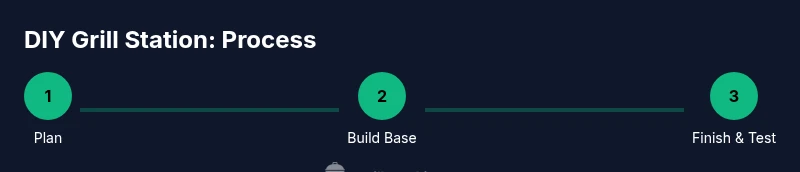
This section connects the planning work to the actual build without duplicating the step-by-step instructions. Start by finalizing a layout and obtaining permits if required in your area. Next, assemble the base frame using weather-resistant materials, then install countertops and protective surfaces. Mount the grill(s) securely, connect utilities with appropriate codes, and seal all joints to prevent moisture intrusion. Finally, install storage, hooks, and finishing touches—lighting, weatherproof outlets, and a clean hose or water source for post-cook cleanup. The goal is a sturdy, weather-ready station that remains functional through seasons. For more specifics, the STEP-BY-STEP section provides granular actions and times.
Maintenance and Longevity: Cleaning, Sealing, and Regular Upkeep
A long-lasting diy grill station demands routine maintenance. Clean surfaces after each cook, protect exposed wood with weatherproof sealant, and inspect protective hardware for rust or wear. Periodically reseal countertops and cabinet finishes to preserve moisture resistance. Replace worn gaskets, check hinges, and ensure ventilation panels stay clear of grease buildup. Plan annual checks of gas lines, electrical connections, and drainage so small issues don’t become major repairs. A well-maintained station remains visually appealing and functionally reliable, reducing downtime between cooks and keeping you cooking safely for years. Grill Cooking’s guidance stresses that proactive maintenance reduces long-term costs and improves safety.
Final Thoughts: Making It Your Own
Your diy grill station should reflect how you cook and entertain. Personalize with color, materials, and accessories that match your outdoor space, then iterate as you learn what works best for your workflow. Start with a scalable plan and build gradually, adding features like a wine or beer cooler, extra prep space, or a dedicated chafing dish area as your needs grow. With careful planning, quality materials, and a solid build, your outdoor kitchen will become a favorite hub for family gatherings and weekend grilling sessions. Grill Cooking’s verdict is clear: invest in durable foundations, smart layouts, and safety-first design for a successful, satisfying grill station.
翻译/附录 (Optional): Quick glossary for enthusiasts
- Island: a freestanding counter area with storage and often a grill on top.
- Back-splash: wall area behind the grill to protect surfaces.
- GFCI: ground fault circuit interrupter outlet for outdoor safety.
- Sealer: protective coating to guard against moisture and UV damage.
Tools & Materials
- Measuring tape(at least 20 ft (6 m) for full-space checks)
- Pencil and carpenter’s chalk line(for accurate layouts)
- Circular saw or fixed saw(for cutting weatherproof panels)
- Cordless drill with bits(for fast assembly and pocket holes)
- Stainless steel hardware (screws, brackets, hinges)(use weatherproof coatings)
- Cement board or exterior-grade plywood(for countertops or base panels)
- Outdoor countertop material (stone, tile, or quartz)(heat and water resistant)
- Weatherproof sealant and painter’s caulk(to seal joints and protect edges)
- Grease tray or drip pan(to manage spills and flare-ups)
- Gas line installation kit (if applicable)(only if you have licensed gas work; do not DIY if unsafe)
- Weatherproof electrical outlet and cover(use GFCI protection and outdoor-rated box)
Steps
Estimated time: 8-14 hours
- 1
Assess space and define layout
Measure available space, decide between island, wall-mounted, or L-shaped layout, and sketch 2-3 options emphasizing workflow from prep to grill to plate.
Tip: Validate clearances with the grill’s manufacturer guidance and local codes. - 2
Plan utilities and electrical needs
Determine if you’ll run gas, install outlets, or add water for cleaning. Draft a simple diagram showing line routes and outlets.
Tip: Consult a licensed pro for gas lines and ensure outdoor outlets are GFCI-enabled. - 3
Build the base frame or island carcass
Assemble a sturdy frame from weather-resistant materials, ensuring level feet and secure anchoring to the surface.
Tip: Use corrosion-resistant fasteners and seal all joints to prevent moisture ingress. - 4
Install countertops and surfaces
Cut and fit exterior-grade countertops, then seal edges with outdoor sealant. Install a backsplash if desired.
Tip: Choose heat-resistant materials that tolerate sun exposure without cracking. - 5
Mount the grill and secure hardware
Mount the grill securely to the base, attach any mounting brackets, and verify balance and ventilation clearances.
Tip: Keep grease paths clear and ensure proper mounting hardware for long-term stability. - 6
Add storage and accessories
Install drawers, cabinets, hooks, and organizers. Place frequently used tools at reachable heights.
Tip: Group tools by function to minimize rummaging during cooks. - 7
Seal, test, and refine
Seal all joints, test gas or electrical connections if used, and perform a test cook to verify efficiency and safety.
Tip: Keep a fire extinguisher and a basic cleaning kit within arm’s reach.
FAQ
What is a DIY grill station and why should I build one?
A DIY grill station is a dedicated outdoor workspace that combines a grill, prep area, and storage. Building one improves workflow, keeps tools organized, and protects equipment from the elements.
A grill station is a dedicated outdoor cooking area with a grill, prep space, and storage to improve your cooking flow. It helps you stay organized and safe outdoors.
Do I need to hire professionals for gas or electrical hookups?
Gas and electrical hookups often require professional installation to meet safety codes. If you’re unsure, consult licensed plumbers or electricians and check local regulations before proceeding.
Gas and electrical work should be done by a licensed professional to ensure safety and code compliance.
What materials are best for longevity outdoors?
Choose weather-resistant materials like stainless steel hardware, exterior-grade plywood or metal cabinets, cement board for countertops, and UV- and water-resistant finishes.
Go with durable metals, sealed wood or cement boards, and weatherproof finishes for long-lasting durability.
How do I plan for future upgrades?
Design the station with modular components and accessible wiring routes so you can upgrade countertops, storage, or appliances without a full rebuild.
Build in modularity so upgrades are easy later on.
What maintenance schedule works best?
Perform a quick post-cook wipe-down of surfaces, sealants annually, and inspect gas or electrical lines quarterly for wear and safety.
Wipe down after cooking and check lines every few months.
Watch Video
Quick Summary
- Plan first, then measure to fit your space.
- Choose weatherproof materials for durability.
- Prioritize safety: ventilation, clearances, and proper hookups.
- Organize storage to speed up cooks and reduce clutter.
- Maintain the station regularly for longevity.