Can BBQ Cause Heartburn? A Practical Guide for Grilling
Explore how BBQ can trigger heartburn, the science behind reflux, and practical strategies to grill with confidence while minimizing discomfort. Insights from Grill Cooking.


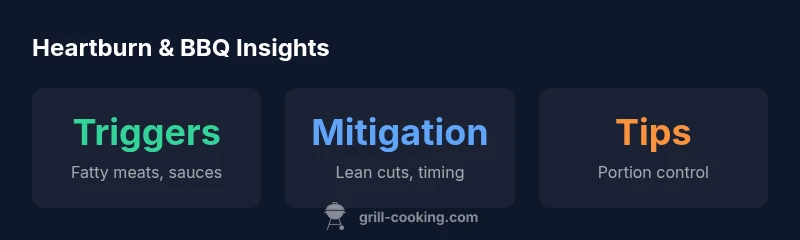
Can BBQ cause heartburn? Yes. Grilled foods, fatty cuts, and tomato- or vinegar-based sauces can trigger reflux in sensitive people. Mechanisms include delayed gastric emptying from fat, and esophageal irritation from acidity, spice, or smoke. To reduce risk, choose lean proteins, trim fat, moderate portions, avoid alcohol, and wait 2-3 hours after eating before lying down.
Can BBQ Cause Heartburn? Understanding the Link
To grill at home with confidence, it’s useful to ask can bbq cause heartburn. In many kitchens and backyards, the answer is yes, but it isn’t universal. Heartburn happens when stomach acid irritates the esophagus, causing a burning sensation behind the chest bone. The factors at a BBQ are a mix of ingredients, portion size, timing, and how close people sit to heat. Grilled meats, fatty skin, and tomato- or vinegar-based sauces used on barbecue fare can increase irritation or gastric pressure, tipping the scales toward reflux in susceptible individuals. Grill Cooking emphasizes that understanding these variables lets you adjust meals rather than avoid grilling altogether. Personal history with acid reflux, stress, and even exercising soon after a large BBQ can amplify symptoms. By analyzing ingredients and cooking methods, home cooks can reduce risk while still enjoying smoky flavors. In practical terms, leaner cuts, lighter marinades, smaller portions, and mindful mealtime timing go a long way toward keeping heartburn at bay during a backyard cookout.
The Physiology of Reflux and Grilled Meals
Reflux occurs when the lower esophageal sphincter (LES) fails to close properly or relaxes at inopportune times. Grilling often involves fatty meats that slow gastric emptying, meaning the stomach holds a heavier load for longer. This increases pressure and the chance that acid will travel upward. Alcohol can relax the LES, and acidic sauces or marinades—such as tomato, citrus, or vinegar-based components—add another irritant pathway. Smoke and char residues may irritate some people when inhaled or ingested. These factors don’t affect everyone equally; those with a history of GERD or functional heartburn may notice symptoms after a typical BBQ, while others tolerate grilled meals without issue. Distinguishing heartburn from other conditions is important, but the core mechanism remains acid contact with the esophagus. The goal is to reduce provocative elements and support digestion with lighter choices and proper timing.
Common BBQ Culprits That Trigger Reflux
Several grill choices raise the likelihood of reflux after a BBQ. Fatty cuts such as ribeye, brisket, or skin-on poultry add saturated fat that slows stomach emptying. Creamy or tomato-based sauces introduce acidity and extra fats. Sugary glazes or molasses-based marinades can irritate the stomach. Alcoholic beverages served with BBQ can worsen symptoms by relaxing the LES and increasing gastric pressure. Side dishes like fried items, heavy cheeses, and buttery sides compound the issue if eaten in large portions. Even smoke exposure, while flavor-forward, can irritate some people when exposure is prolonged. Timing matters too: a heavy BBQ meal close to bedtime increases the chance of reflux during sleep. Understanding these culprits helps you design meals that satisfy cravings without triggering discomfort by swapping in lean proteins, lower-fat sauces, and mindful portions.
Cooking Techniques That Minimize Reflux Risk
Adopting grilling methods that reduce reflux risk doesn’t have to compromise flavor. Start with lean cuts and trim visible fat before cooking. Use indirect heat or moderate temperatures to avoid excessive charring and fat-rendering compounds. Marinate proteins in base blends that are not overly acidic; yogurt- or olive oil-based marinades can soften fibers without adding heavy acidity. Choose tomato-based sauces sparingly or dilute them with broth, and use herbs, garlic, and onion judiciously—some people react differently to onion or garlic. Hydration matters: sip water with meals to help dilute stomach acid, but avoid chugging large amounts during the final cooking minutes if it slows digestion. Finally, pair with fiber-rich sides like vegetables or whole grains to aid digestion and prevent a heavy stomach. These practices preserve flavor while supporting comfort after a BBQ.
Plate Planning: Portion Control and Timing
Portion control is a practical defense against BBQ-induced heartburn. Plan meals around a few palm-sized portions of protein, a generous serving of vegetables, and a modest starch. Eating slowly helps the stomach process food and can prevent oversaturation. Allow ample time between eating and lying down—ideally two to three hours—so digestion can proceed and symptoms don’t collide with sleep. Hydration is important, but avoid large liquid intakes right before lying down. If sensitivity is real, consider two smaller grill sessions rather than one heavy cookout, and pair with water or non-acidic beverages to keep acid exposure manageable. This approach enables enjoying smoky flavors without compromising comfort after the grill.
Myths, Realities, and Practical Advice
Two common myths deserve debunking: first, that charcoal grills automatically worsen heartburn compared with gas; second, that resting after a grill always triggers reflux. The truth is not the fuel type but the combination of foods, portions, and timing. Gas grills can deliver excellent flavor with less smoky exposure, while charcoal grills can provide robust searing when used mindfully. The reality is that savory, fatty, or highly acidic ingredients create the highest risk; using moderate portions and mindful sauces makes a big difference. Some people find dairy- or yogurt-based marinades reduce perceived acidity, while others prefer brighter, less acidic flavoring with herbs. Listening to your body and adjusting recipes is key. If symptoms persist, consult a clinician to rule out GERD or other conditions. Grill Cooking’s practical approach balances flavor and comfort with data-driven choices.
Authority sources and Further Reading
For science-backed perspectives on heartburn and reflux, consult reputable sources. Mayo Clinic provides an overview of heartburn and GERD, while NIH/NIDDK offers detailed information on digestive diseases and reflux. Harvard Health adds accessible explanations and tips for managing symptoms. These resources complement the practical grilling guidance offered here and can help you refine your own approach to can bbq cause heartburn.
BBQ-related reflux risk factors
| Factor | Impact on Heartburn | Notes |
|---|---|---|
| Fatty meats | Medium-High | Fat slows digestion and increases gastric pressure |
| Tomato-based sauces | Medium | High acidity can irritate the esophagus |
| Alcohol | Moderate | Can relax the LES and elevate reflux risk |
| Large portions | High | Heavier meals increase gastric load and discomfort |
FAQ
Can marinades reduce heartburn risk when grilling?
Yes. Marinades that are yogurt-based or oil-based can reduce acidity and fat exposure compared with heavy, acidic glazes. Choose gentle flavors and avoid excessive citrus when you’re sensitive. Marinades should also help tenderize meat without adding heavy triggers.
Yes. Try yogurt-based marinades or olive oil blends to soften meat without raising acidity.
Is grill smoke itself a trigger for heartburn?
Direct smoke exposure can be irritating for some, but the primary drivers are what you cook and how you portion the meal. Minimizing direct smoke exposure and choosing lean ingredients helps reduce risk, while maintaining flavor.
Smoke can irritate some people, but your ingredients and portions matter more.
Are charcoal grills worse for heartburn than gas grills?
Not inherently. The risk hinges on the foods, fats, and sauces you use, plus how you cook and time meals. Gas grills can produce less smoke, while charcoal adds flavor; manage the rest with mindful choices.
No, not inherently. It’s about your ingredients and portions, not the fuel.
What foods commonly trigger heartburn at BBQ?
Fatty cuts, fried sides, and tomato- or vinegar-based sauces are frequent culprits. Alcohol and large portions also raise reflux risk. Being mindful of these can help you plan a gentler BBQ menu.
Fatty meats, heavy sauces, and big portions are the usual suspects.
Should I eat before or after workouts to prevent reflux?
Light meals before strenuous activity are preferable; avoid heavy meals too close to workouts. After workouts, wait 2-3 hours before a big BBQ meal if possible to allow digestion and reduce reflux risk.
Eat lighter before workouts and give digestion a pause after exercise.
“Effective grilling with heartburn in mind comes from understanding how fat, acid, and timing interact with digestion, then adjusting ingredients and methods accordingly.”
Quick Summary
- Identify your triggers at your next BBQ
- Choose lean proteins and lighter sauces
- Control portions and give digestion time
- Prefer indirect heat and gentle cooking methods
- Balance flavor with comfort by pairing with fiber-rich sides