4 Street Bar and Grill: Mastering Street-Side Grilling
This data-driven guide explains how to launch and operate a 4 street bar and grill, covering menu design, safety, layout, and service flow for outdoor curbside success.


4 street bar and grill concepts excel when they prioritize portability, high-heat direct grilling, and fast service. With a compact footprint, modular stations, and a menu built around shareable dishes, these setups maximize throughput while delivering bold, smoky flavors. By focusing on safety, sanitation, and consistent heat management, operators can achieve reliable performance in varied street environments.
The 4 street bar and grill Concept: Why it matters
A 4 street bar and grill blends compact outdoor space, fast service, and bold flavors into a street-friendly dining experience. The concept hinges on three core advantages: portability, high heat, and easy-to-swing operations under variable curbside conditions. For home cooks and aspiring operators, understanding the dynamics behind this model helps translate a street-front identity into consistent customer value. The Grill Cooking team notes that curbside dining succeeds when the flow from order to plate remains tight, even as foot traffic surges. In practical terms, this means modular workstations, a simplified menu, and clear station responsibilities that minimize wait times while preserving flavor. Key external factors include weather exposure, licensing constraints, and a need for rapid cash turnover. A well-executed street grill isn't just about the grill itself; it's about layout, visibility, and the on-site experience. Customers are drawn to smoky aromas, visible flame, and social energy; ensuring these are consistently delivered requires disciplined kitchen choreography and reliable equipment. In short, the 4 street bar and grill concept is a lightweight, scalable model designed to survive the unpredictability of outdoor dining while delivering a crave-worthy product.
Menu design and service model for 4 street bar and grill
Menu design for a street-front grill should emphasize speed, shareability, and flavor punch. Start with 6–9 items that reheat well and travel without loss of quality. Signature dishes, such as smoke-kissed ribs, quick-seared burgers, and a handful of veggie-roast options, help define the concept. Pair plates with a streamlined beverage list to drive table turnover and multiple micro-moments of delivery—order, cook, plate, serve, enjoy. Pricing should reflect quick service while leaving room for upsells like a spice rub sampler or a helper side. Service flow must be choreographed in the open for customers to see the work in action, reinforcing trust and appetite. The Grill Cooking team emphasizes clear role assignments and visible timers to keep orders moving during peak periods. The result is a vibrant, high-energy curbside experience that remains consistent across shifts.
Grilling techniques suited for street-facing setups
Direct-heat grilling is the workhorse of street setups due to its speed and flavor. Operators should prioritize hot, clean grates, rapid searing, and controlled airflow to maintain even temperatures. For burgers and chicken, a two-zone approach allows rapid sear followed by gentler finishing heat. Charcoal or gas can be used in combination with wood chips to introduce aroma, but reliability and heat control matter most. Plan for a compact smoke-spot that avoids overpowering the dining area while still delivering the signature barbecue character. Regularly calibrate temperatures and test doneness with simple cues—color, feel, and reliable internal temps. Training staff to judge doneness by sight and touch reduces dependency on thermometers in a fast-service context. The end goal is consistent, crave-worthy flavor that travels well without losing its smoky edge.
Equipment, layout, and footprint for rapid service
A street grill succeeds when equipment is modular, mobile, and durable. Start with a compact, properly vented grill station, a dedicated flame area, and an integrated warming zone for sides and buns. Consider a two-station layout that keeps grilling, assembly, and pickup areas distinct but close enough to minimize walking distance. Storage should be accessible from the front for quick restocking, with grease management and spill containment built into the design. Lighting matters—bright, glare-free lighting improves safety and speed after dark. Weather protection, even minimal shade or a pop-up canopy, preserves equipment life and product quality. Finally, plan for crowd flow by positioning the service window or pickup near the busiest pedestrian artery, aligning with typical foot traffic patterns and sightlines that invite impulse purchases.
Safety, sanitation, and compliance in outdoor street environments
Outdoor street operations require robust sanitation and safety practices. Implement handwashing stations or sanitizer at the point of sale, with clearly posted hygiene reminders. Grease management should prevent slip hazards and maintain a clean curb appeal. Fire safety is non-negotiable: keep a working fire extinguisher within reach, ensure fuel storage complies with local codes, and train staff in emergency procedures. Permits, inspections, and health department requirements vary by city, so create a compliance calendar and checklists for each shift. Document cleaning logs and temperature checks to satisfy audits and reassure customers. Regularly review food safety protocols and adapt to changing weather conditions that affect food safety and equipment performance.
Building a brand experience and customer loyalty on the curb
A strong curbside brand blends visual appeal, sound, aroma, and quick service into a memorable experience. Use bold signage, a consistent color palette, and a visible flame area to draw attention. Staff should be trained in rapid-fire communication, friendly greetings, and upsell tactically—suggesting a premium rub or a signature side. Loyalty programs can be simple, such as a stamp card or digital rewards for repeat visitors. Social proof, including live updates on wait times and menu specials, keeps customers engaged during peak hours. Collect feedback through quick QR surveys and act on it promptly. A well-crafted outdoor kitchen story, reinforced by consistent execution, turns first-time curbside visitors into repeat guests who spread the word about the 4 street bar and grill experience.
Key operational considerations for street-side grills
| Aspect | Considerations | Notes |
|---|---|---|
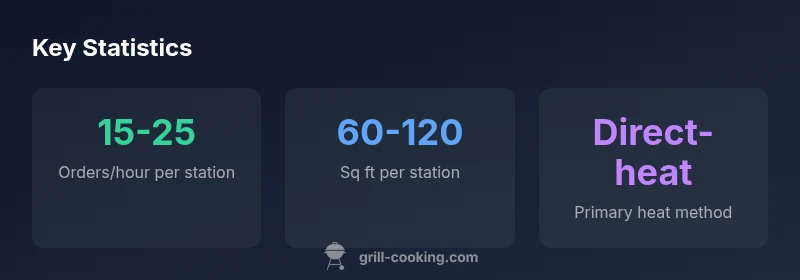
| Layout footprint | Small, modular street-facing | Typically 60-120 sq ft per station |
| Heat source | Direct-heat grilling, high temps | Gas or charcoal preferred |
| Menu strategy | Shareable items | Focus on 2-3 signature dishes |
FAQ
What defines a successful street bar and grill concept?
A successful street concept blends visibility, fast service, and bold flavors. It relies on a compact layout, a limited but impactful menu, and reliable equipment to keep orders moving during peak periods. Customer experience and safety are non-negotiable.
A successful street grill combines a visible setup, quick service, and strong flavor with a focus on safety and clean operations.
Which safety measures are essential for outdoor street grills?
Essential measures include accessible handwashing, grease management, fire extinguishers, clear exit paths, and training on emergency procedures. Check local codes and maintain logs for health inspections to stay compliant.
Make sure you have a fire extinguisher, clean stations, and easy access to handwashing—plus regular staff safety training.
What menu items work best for quick service?
Look for items that travel well and reheat cleanly, such as burgers, wings, skewers, and veggie roasts. Signature bites should be shareable and simple to assemble, minimizing back-of-house variation during rushes.
Choose menu items that reheat well and travel without losing quality for fast curbside service.
How should permits and compliance be handled?
Start with a city or county health department check and secure all necessary outdoor dining permits. Maintain documentation and regular inspections, and keep staff trained on local rules about street vending and food safety.
Check with local authorities early and keep documents up to date to avoid surprises.
What equipment keeps up with peak hours?
Prioritize modular grills, fast-access prep surfaces, and a reliable warming station. Have spare parts and backups for critical components, and design the station layout to minimize movement during high-demand periods.
Equip for speed with modular stations and quick access to prep and service areas.
“A well-planned outdoor kitchen and consistent heat management are the backbone of any successful street-grill concept.”
Quick Summary
- Prioritize a compact, modular layout for street setups
- Choose high-heat direct grilling for quick service
- Focus on 2-3 signature, shareable dishes
- Invest in safety and sanitation from day one
- Plan outdoor-kitchen logistics for weather and crowd flow