Greek Grill Mastery: Classic Techniques for Home Cooks
Master Greek grill techniques for lamb, chicken souvlaki, and veggies. This Grill Cooking guide covers marinades, heat control, gear, and safety for home cooks.


With this guide, you’ll master Greek grill techniques for lamb, chicken souvlaki, and vegetables. You’ll learn authentic marinades, how to manage direct and indirect heat, and how to thread skewers for even cooking. The Grill Cooking team translates classic Greek flavors into practical steps you can cook confidently at home.
Greek Grill Foundations: What makes Greek grilling unique
According to Grill Cooking, authentic Greek grill emphasizes bright citrus, oregano, garlic, and olive oil. Meat is grilled over high heat to seal juices, then rested briefly to redistribute moisture. Vegetables are treated as partners, not afterthoughts, soaking up smoke and flame for vibrant color. This foundation sets the stage for an approachable, flavorful Greek grill experience you can recreate in a standard backyard setup.
Beyond flavor, Greek grilling centers on balance: bold marinades, fresh herbs, and crisp-accent sauces. The goal is to achieve a charred exterior with a tender interior while preserving the meat’s natural juice. When done well, even simple ingredients—lamb chops, chicken breast, or peppers—shine with Mediterranean brightness. This section introduces the core concepts you’ll apply to lamb, chicken souvlaki, and vegetables in later sections.
Marinades and Rubs for Greek Grill: Lamb, Chicken, and Veggies
Marinades for Greek grill rely on a bright citrus base with oregano, garlic, and olive oil. For lamb and chicken souvlaki, combine lemon juice, olive oil, garlic, dried oregano, thyme, salt, and black pepper. Let proteins marinate for 1–4 hours for poultry and up to 8 hours for lamb, then pat dry before grilling to promote a crisp crust. Vegetables benefit from lighter coatings—olive oil, lemon zest, and a pinch of salt—so their natural sweetness remains front and center.
A reliable practice is to marinate in a nonreactive dish or zip-top bags, turning once or twice for even coverage. This approach helps flavors penetrate without washing away delicate textures during cooking. For burnt edges, avoid over-marination of fatty cuts; balance is key.
Heat Management: Direct vs. Indirect Grilling on a Greek Grill
Direct heat is ideal for quick sears and charring, especially for souvlaki skewers and thinly cut meats. Indirect heat becomes essential for thicker chops or vegetables that need longer cook times without burning. To set up: create a hot zone for searing and a cooler zone to finish cooking with steady heat. Shield sticks with a light glaze to promote caramelization without flare-ups.
Managing flame is critical in Greek grilling. Use two-zone grilling on a charcoal or gas setup, keep a close eye on airflow, and rotate skewers to ensure even browning. A proper grill setup yields crusty exteriors and juicy interiors, which are hallmarks of Greek street food at home.
Skewers, Grids, and Tools for Perfect Greek Grill
Skewers are central to Greek grill preparations like souvlaki. Metal skewers are reusable and don’t require soaking; wooden skewers require 20–30 minutes of soaking to prevent scorching. Use flat skewers for better meat stability and even cooking. For vegetables, alternate meat and veg to balance heat exposure and texture. A sturdy pair of tongs, a digital thermometer, and a clean grill brush are your essential toolkit.
If you’re new to skewering, keep meat and veggies evenly sized (about 1 to 1.5 inches) for uniform cooking. Lightly oil the grill grates to prevent sticking, and rotate skewers 180 degrees at each flip for consistent browning. Regularly baste with olive oil and lemon while grilling to keep surfaces moist and flavorful.
Classic Greek Sauces and Sides to Round Out the Meal
Tzatziki is the signature accompaniment, combining yogurt, cucumber, garlic, dill, and lemon. Serve alongside grilled meats and fresh herbs. Lemon potatoes (roast with olive oil, garlic, oregano, and lemon juice) add a bright, starchy counterpoint. Grilled feta with herbs or a simple horiatiki salad (Greek village salad) rounds out the menu with refreshing acidity and texture.
Consider offering a light drizzle of extra-virgin olive oil and a squeeze of lemon over finished skewers to heighten brightness. These sides and sauces are not afterthoughts; they amplify the grilling flavors and align with traditional Greek flavors that many home cooks crave.
Common Pitfalls and How to Fix Them
Overcrowding the grill traps heat and prolongs cooking time. Fix: space pieces to ensure proper searing. Under-seasoning is another frequent issue; season generously at the start and adjust with a finishing salt. For skewers, uneven cuts cause uneven cooking—keep pieces similar in size. Finally, neglecting resting time leads to juice loss; allow 5–10 minutes before serving.
A practical tip is to keep a small spray bottle of water handy to manage flare-ups without dousing the flame. Clean grates between batches to prevent transferred flavors and ensure clean grill marks that reflect Greek technique rather than burnt residues.
Pairing Greek Grilled Proteins with Vegetables: Yes, It Can Be Simple
Grilled vegetables such as peppers, zucchini, and onions pair beautifully with Greek grilled meats. Slice vegetables evenly and marinate briefly with olive oil, lemon, and oregano, then grill over direct heat just until tender and lightly charred. The vegetables brighten and provide a counterbalance to the rich, citrus-forward gravies and sauces.
For a complete meal, plan a few dipping sauces or toppings. A cucumber-dill yogurt dip echoes tzatziki while offering a lighter option for guests who prefer less dairy density. This pairing embodies the Greek grill philosophy: simple ingredients treated thoughtfully, producing big flavors with minimal fuss.
Safe Grilling Practices and Hygiene for Greek Grill Nights
Always use a clean cutting board and separate utensils for raw and cooked meat to prevent cross-contamination. Use a meat thermometer to verify doneness—lamb and chicken should reach safe internal temperatures before serving. Keep raw marinades separate and discard any used marinade that has contacted raw meat. Store leftovers promptly in the refrigerator to maintain safety and flavor integrity.
A well-maintained grill is as important as good technique. Regularly clean grates, oil surfaces to prevent sticking, and inspect gas lines or charcoal setup for safety before each session. These practices keep Greek grill nights safe and enjoyable for family and friends.
Planning a Greek-Grill Menu for a Weekend Gathering
Create a simple plan: marinate the meat the night before, soak skewers, and prep vegetables in the morning. For a crowd, grill a variety of meats and vegetables to accommodate different tastes and dietary needs. Script a serving order that transitions from hot skewers to refreshing tzatziki sauces and a zesty potato side.
Finally, consider your grill’s burnout risk and have a backup plan, like a quick grill-safe pan option for last-minute items. With proactive planning, your Greek grill night becomes a memorable, low-stress event that showcases classic flavors with authentic, home-cook practicality.
Tasting, Adjusting Flavors, and Replicating the Win
Taste testing is essential to refine your Greek grill technique. If a marinade tastes too sharp, balance with a touch more olive oil or lemon; if the dish lacks brightness, add a corner squeeze of lemon at service. Note how heat affects the char and adjust future marination times accordingly. Keeping a simple notes system helps you replicate successful outcomes week after week.
Grill Cooking’s approach is to iterate: test a batch, observe results, and adjust next time. The goal is consistent, flavorful results that reflect Greek cuisine’s bright, herbs-forward profile while staying accessible for home cooks.
Quick-start Greek Grill Checklists for Beginners
- Gather ingredients: lamb or chicken, oregano, garlic, lemon, olive oil, vegetables.
- Prepare marinades and soak skewers if using wood.
- Preheat grill to high heat with a two-zone setup.
- Skewer meat and veg evenly; cook, rotate, and baste sparingly.
- Rest meat briefly; serve with tzatziki and lemon wedges.
- Clean grill and store leftovers safely for next time.
Tools & Materials
- Skewers (metal or bamboo)(Flat skewers preferred for stability; soak bamboo for 20-30 minutes if used.)
- Chef's knife(Sharp for even meat cuts; keep blade guarded.)
- Mixing bowls (nonreactive)(For marinades and resting meat.)
- Tongs and a grill brush(For turning and cleaning grates.)
- Meat thermometer(Use instant-read for safe doneness.)
- Marinade ingredients(Lemon juice, olive oil, oregano, garlic, salt, pepper.)
- Basting brush(Optional for finishing glaze.)
- Grill gloves(Protect hands during high-heat grilling.)
- Platter for resting meat(Let rest 5–10 minutes before serving.)
Steps
Estimated time: 75-95 minutes
- 1
Prepare marinades and ingredients
Measure and mix marinades for lamb, chicken, and vegetables. Mince garlic, zest lemon, and whisk oregano with olive oil. Toss meat and vegetables in respective marinades and refrigerate if not grilling immediately.
Tip: Set out all ingredients so they’re ready to go when the grill is hot. - 2
Soak wooden skewers (if using wood)
Soak bamboo skewers for 20–30 minutes to prevent scorching. Dry them before threading ingredients to promote even browning.
Tip: Even soaking reduces flare-ups caused by dry wood. - 3
Preheat grill to two zones
Heat the grill to high direct heat on one side and a cooler indirect zone on the other. This lets you sear quickly and finish with steady heat.
Tip: If you’re using charcoal, bank coals to create clear hot and warm zones. - 4
Thread skewers evenly
Skewer meat and veg in alternating patterns with uniform piece size (about 1–1.5 inches). This ensures even cooking and nice visual appeal.
Tip: Avoid crowding the skewer to prevent steaming instead of searing. - 5
Grill and rotate
Sear 2–3 minutes per side on the direct heat, then move to indirect heat to finish. Rotate every few minutes for even browning.
Tip: Only flip once or twice to preserve juiciness. - 6
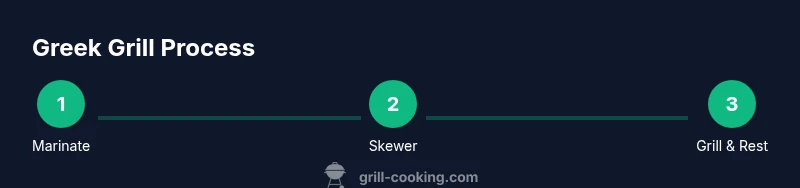
Rest and serve
Remove from heat and rest skewers 5–10 minutes. Serve with tzatziki, lemon wedges, and grilled potatoes or salad.
Tip: Resting lets juices redistribute for a juicier bite.
FAQ
What defines Greek grill cooking and its signature flavors?
Greek grill cooking emphasizes bright citrus, oregano, garlic, and olive oil with a focus on searing over high heat and finishing with char. It pairs lean proteins with fresh vegetables and classic sauces like tzatziki to achieve a balanced, Mediterranean profile.
Greek grilling centers on bright citrus, oregano, and olive oil, with strong searing and fresh sauces like tzatziki.
Can I grill Greek-marinated lamb at home safely and effectively?
Yes. Marinate lamb in olive oil, lemon, oregano, and garlic, then sear over high heat and finish on indirect heat to keep the meat juicy. Use a meat thermometer to ensure doneness and let the meat rest before slicing.
Yes. Marinate, sear, finish on indirect heat, and rest before serving.
What cuts are best for souvlaki and how should I cut them?
Choose boneless cuts like leg or shoulder for lamb, or chicken thighs for juiciness. Cut into uniform 1–1.5 inch pieces to ensure quick, even grilling and reliable texture.
Use evenly cut chunks of lamb or chicken thighs for reliable grilling.
Is tzatziki essential with Greek grill, and what’s a quick version?
Tzatziki is traditionally paired with Greek grill for brightness and creaminess. Quick version uses yogurt, grated cucumber, garlic, lemon juice, and dill or mint.
Tzatziki is a classic companion, but you can make a quick yogurt-cucumber dip as a substitute.
How can I prevent flare-ups when grilling skewers?
Keep skewers away from overloaded fat and trim excess fat from meat. Maintain two heat zones and use a spray bottle to tame flames without cooling the grill too much.
Use two heat zones and a light spray to control flare-ups.
Can I grill seafood Greek-style, and what should I watch for?
Seafood, like shrimp or squid, grills quickly and benefits from light oiling and lemon. Watch for overcooking, which makes seafood rubbery. Season simply to keep the ocean flavors prominent.
Yes, you can grill seafood Greek-style; cook quickly and avoid overdoing it.
Watch Video
Quick Summary
- Master Greek marinades with citrus, oregano, and olive oil.
- Use two-zone grilling to sear and finish with gentle heat.
- Skewer meat and veg evenly for uniform cooking.
- Rest meat 5–10 minutes before serving for juicier results.
- Pair grilled proteins with tzatziki and bright sides for authentic Greek flavor.