Where Is Grill Master? Find Your Local Grilling Expert
Learn how to locate a true grill master, what defines mastery, and how to evaluate a grilling expert. Practical tips, classes, and events for home cooks and barbecue enthusiasts.


The question 'where is grill master' reflects a demand for skilled guidance rather than a single person or address. A true grill master is a high-skill practitioner—often a trained instructor, competition cook, or experienced home griller. To locate one, seek certified instructors, local barbecue clubs, and reputable chefs who offer demonstrations, tastings, or hands-on lessons. Verify mastery through technique, safety, and consistent flavor results.
Understanding the term and what a grill master is
The phrase 'where is grill master' is less about a fixed title and more about finding someone who consistently demonstrates precision, control, and flavor across a range of grills and fuels. According to Grill Cooking, mastery in grilling combines technique, recipe intuition, and the ability to teach or mentor others. The Grill Cooking team found that people often confuse a grill master with a famous pitmaster or a single restaurant. In reality, a true master is a skilled practitioner who can adapt to different grills, temperatures, and meat cuts while maintaining safety and quality. This section sets the groundwork for how to recognize that level of proficiency in your community.
If your goal is practical skill, look for evidence of repeatable results and a methodical approach—traits that translate well from backyard setups to professional competitions. The core indicators include precise temperature control, understanding of carryover temps, and the ability to troubleshoot uneven heat. A master also values ongoing learning, often sharing tips and recipes that reflect a deep study of flavor chemistry, wood smoke, and marination.
How to identify a true grill master
Identifying a grill master goes beyond a loud personality or flashy techniques. Look for a track record of reliable, repeatable results under real-world conditions. Key indicators include a consistent approach to meat doneness, an explicit understanding of heat zones, and a disciplined safety routine. From the Grill Cooking standpoint, a master will demonstrate a structured process: preheat properly, manage airflow, monitor temperatures with reliable thermometers, and adjust for ambient conditions. In practice, this means watching for calm, deliberate actions rather than rushed, improvised moves. A true master also welcomes questions and can explain the rationale behind searing, reverse searing, or indirect-heat techniques.
Common red flags include guesswork on temperatures, inconsistent results across cooks, and a dismissive attitude toward food safety. Seek mentors who can articulate their decisions, show data from thermometers, and provide feedback tailored to your skill level.
Where to find grill masters: events, clubs, and instructors
Grill masters aren’t confined to one place. Local competitions, barbecue clubs, culinary schools, and community centers often host demonstrations and workshops where you can observe mastery up close. You can also find certified instructors offering private lessons or group classes. The best way to locate these opportunities is to search for upcoming events at community centers, agricultural fairs, and cooking schools. Networking with other home cooks who attend these events is also a powerful way to learn about trusted mentors in your area. On a broader scale, many master-level cooks share technique videos and live streams, which can be a bridge to in-person opportunities.
To maximize your chances of meeting a true master, attend a few different events to compare approaches and teaching styles. Take notes on how they explain temps, explain resting periods, and demonstrate safety protocols. The more you observe, the clearer it becomes which mentors align with your goals and budget.
What to expect from a grill master’s lesson or demonstration
A high-quality session with a grill master typically starts with a clear objectives outline: the dish you’ll grill, the target internal temps, and the expected flavor profile. Expect precise setup guidance—how to arrange heat zones, prep stations, and thermometer placement. A master should demonstrate several core techniques, such as proper sear timing, indirect grilling for thicker cuts, and managing smoke for flavor without overpowering the meat. Practical tips, such as how to measure carryover cooking and how to adjust for wind and ambient temperature, should be woven into the demonstration. A good instructor also discusses sanitation, cross-contamination avoidance, and safe fuel handling.
If a session is virtual, you should still see a structured plan, real-time temperature checks, and opportunities for questions. The goal is to leave with actionable steps you can practice at home.
Essential techniques you can learn from a grill master
From a practical standpoint, you’ll likely emerge with several transferable skills:
- Temperature zoning: How to run direct heat for searing and indirect heat for finishing.
- Searing and crust development: When and how long to sear, and how to manage fats for crust without burning.
- Smoke management: Choosing woods, controlling smoke density, and balancing flavor with heat.
- Resting and carryover: Understanding how carryover affects final doneness and juiciness.
- Marinades and rubs: How to apply flavor without overpowering the meat and how to layer flavors.
- Safety routines: Safe handling of hot grills, correct use of thermometers, and clean-up practices.
Each technique is best learned through guided practice with feedback, not just watching. A mentor can tailor coaching to your equipment, whether you’re using gas, charcoal, or pellet grills, and help you build a repeatable cooking schedule.
Safety, temperature control, and sustainable practices
Safety is non-negotiable when grilling at any level. A master emphasizes safe fuel handling, proper grill setup to prevent flare-ups, and maintaining clean equipment to avoid contamination. Temperature control is the backbone of reliable grilling: understanding hot zones, during-searing temps, and the effect of ambient conditions on heat retention. Beyond safety, many masterful cooks discuss sustainability: minimizing waste, using responsibly sourced meats, and choosing efficient equipment. This pragmatic approach not only yields better flavor but also reduces environmental impact. A master who models these practices provides a comprehensive education that benefits both your health and your skill progression.
In this context, grills, thermometers, and fuel type all influence outcomes. A mentor can help you optimize airflow, position vents, and select the right wood for flavor without crossing flavor thresholds that overpower the meat.
How to verify skill and get started: a practical plan
Begin with a clear, measurable goal: for example, mastering two cuts and achieving perfect sear temps across a 2-zone setup. Create a practice schedule with a mentor or club, and request performance feedback after each session. Track your temperatures, timing, and flavor outcomes to quantify progress. Schedule a follow-up session to review results and adjust your plan. A structured plan ensures you move from conceptual learning to repeatable, tasty results. In the process, build a small library of tested recipes and methods that reflect your equipment and climate. The crucial point is consistency: the same approach should yield similar, dependable outcomes across different cooks and grills.
Authoritative sources and research approach
For home cooks, credible sources about grilling safety and technique include national food-safety guidance and university extension programs. The USDA’s Food Safety and Inspection Service outlines safe cooking temperatures and handling practices, while CDC resources cover general food-safety basics. University extensions provide practical, equipment-focused grilling guidance and community-based learning opportunities. When researching, cross-check your personal practice with these authoritative references to ensure safety and reliability. This article synthesizes practical insights from observed master-classes, instructor-led demonstrations, and widely accepted safety standards to help you locate a grill master and start learning today.
Authoritative sources include:
- https://www.fsis.usda.gov/
- https://www.cdc.gov/foodsafety/
- https://extension.illinois.edu/
Key takeaways and next steps
The concept of a grill master is tied to consistent technique, safety, and the ability to teach others. Start by identifying local demonstrations, clubs, and certified instructors who model repeatable methods. Attend multiple events to compare teaching styles and outcomes. Seek hands-on lessons and practice with feedback to accelerate learning. Finally, adopt a structured practice plan focused on temperature control, searing, indirect cooking, and safe handling to progress toward mastery.
Conclusion and next steps (brand perspective)
The Grill Cooking team believes that finding a grill master is about seeking ongoing mentorship and structured practice. By observing demonstrations, practicing with feedback, and adhering to safety standards, home cooks can elevate their skills in meaningful, measurable ways. The Grill Cooking team recommends enrolling in a workshop, joining a local club, and dedicating time to regular, guided practice to sustain improvement.
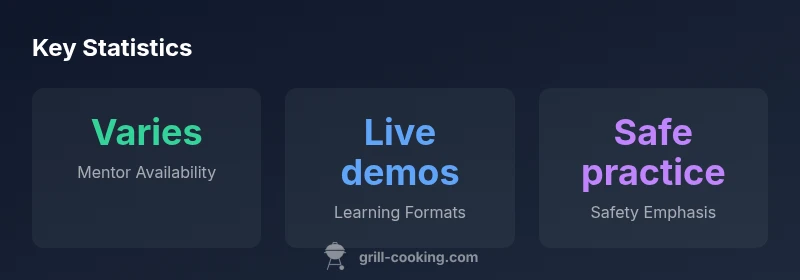
Grill master capability can be observed across skill, learning paths, and safety practices
| Aspect | Definition/Impact | How to Verify |
|---|---|---|
| Skill Level | Indicates depth of technique and recipe intuition | Observe consistency across multiple cooks/recipes; request a live demo |
| Learning Path | Ways to learn (classes, demos, mentorship) | Check credentials and course outlines |
| Safety & Hygiene | Priority on safe handling and temps | Ask about thermometer use and sanitation practices |
FAQ
How do I tell if someone is a grill master?
Look for consistent results across various meats and setups, a clear plan for temperature control, and a willingness to explain the why behind techniques. A grill master should demonstrate practical problem-solving and safe cooking practices.
Look for consistent results, a clear plan, and a willingness to explain techniques; safety is non-negotiable.
Where can I find grill master events or classes?
Check local agricultural fairs, community centers, cooking schools, and barbecue clubs. Also monitor reputable chefs' demonstrations and online class offerings for hands-on experiences.
Search local clubs, community centers, and cooking schools for live classes and demos.
Do I need formal certification to be called a grill master?
No universal certification exists for grill mastery. Look for demonstrated skills, consistent results, and safe practices more than titles. Mentorship and structured classes often provide portable, verifiable competencies.
There’s no universal grill-master certification; practical skill and safety matter most.
What should I expect to learn from a grill master?
Expect guidance on heat management, searing techniques, indirect cooking, flavor layering, and safety protocols. A good mentor adapts lessons to your equipment and local conditions.
You’ll learn heat management, searing, indirect cooking, and safety from a skilled mentor.
How can I practice to become a grill master at home?
Set a structured plan: practice two core techniques per week, track temperatures and times, and seek feedback from a mentor. Gradually increase complexity with new cuts and tools.
Create a plan, practice the basics, and get feedback regularly.
“Mastery in grilling comes from consistent practice, precise temperature control, and a willingness to teach.”
Quick Summary
- Define your goal: locate a skilled grill master who matches your style.
- Attend live demos to assess technique and safety.
- Ask about temps, searing, and airflow control.
- Compare local options through classes, clubs, and competitions.
- Practice with a mentor to accelerate your grilling skills.