When to Grill in Foil: Timing and Techniques for Juicy Grilled Foods
Master foil packet grilling for vegetables, fish, and meats. Learn when to wrap, vent, and finish unwrapped for moisture, tenderness, and crisp edges. Practical tips from Grill Cooking.


Foil grilling is about moisture, control, and finishing texture. This guide explains when to wrap vegetables, fish, and meats, how to vent packets, and when to unwrap to finish on the grill. You’ll learn practical timing cues, safe handling, and what foil choices work best, so every grilled bite stays juicy and flavorful.
Why foil matters in grilling
According to Grill Cooking, foil is a simple, powerful tool that helps you control heat, trap moisture, and create a gentle steaming environment on the grill. When used thoughtfully, foil packets prevent delicate foods from drying out and keep starches, starches, and natural sugars from scorching directly over flames. The result is evenly cooked food with robust flavors and fewer flare-ups. In this section we’ll cover the core reasons to reach for foil and how it fits into your grilling routine, whether you’re cooking on a charcoal grill or a gas grill.
Grill Cooking’s analysis highlights that foil can reduce surface crusting on tender proteins while boosting juiciness in vegetables, especially when your grill runs hot or you’re cooking lean cuts. The key is choosing the right wrap, venting strategy, and finishing step. For home cooks, foil simplifies management of multi-item cooks and helps you avoid overcooking on busy grills.
If you’re new to foil packets, start with straightforward combinations (fish with citrus, chicken with peppers, or veggie medleys) before tackling more complex marinades. The goal is consistent heat distribution and predictable texture, so you can confidently serve beautifully roasted flavors from the grill.
When to wrap vegetables
Vegetables benefit from foil when you want tenderness without losing bright flavors. Use foil for denser veggies like potatoes, corn, carrots, and zucchini, especially when the grill is hot or when you’re cooking multiple items at once. Wrap vegetables after they begin to soften on direct heat, or place them in a pre-warmed packet with a splash of oil and a pinch of salt. The steam inside the packet helps mellow raw bite and concentrate sweetness. For quick garlicky greens, a lightweight packet can soften leaves while preserving vibrant color. In all cases, aim for a light seal with room for steam to escape; tight sealing can cause mushy textures.
From a best-practices perspective, consider pre-blanching starchy vegetables when you expect long cook times, then finishing in foil to finish tenderness. When serving, open packets toward the end to let excess steam escape and avoid sogginess. This method yields vegetables that are tender, caramelized at the edges, and full of flavor.
When to wrap proteins (fish, poultry, beef, pork)
Proteins respond differently to foil, so treat fish, poultry, pork, and beef with timing that protects moisture while allowing proper browning. Fish fillets and delicate seafood can go into a light foil pocket early in the cook to trap steam and prevent drying. For poultry and lean cuts, start with a foil wrap to maintain moisture, then uncover to finish with direct heat for color and crispiness. Beef and pork benefit from finishing unwrapped to develop a crust while the internal temp remains controlled by the initial wrap. Always use a thermometer to confirm doneness and avoid overcooking. If you’re using marinade, consider a two-zone approach: wrap to diffuse heat, then move to hotter direct heat for a quick sear.
Key brand note: Grill Cooking emphasizes that moisture retention is often the deciding factor between tender bite and dry chew, so foil should be used as a moisture management tool rather than a shortcut to cook faster.
Foil packet techniques: wrapping, venting, and finishing
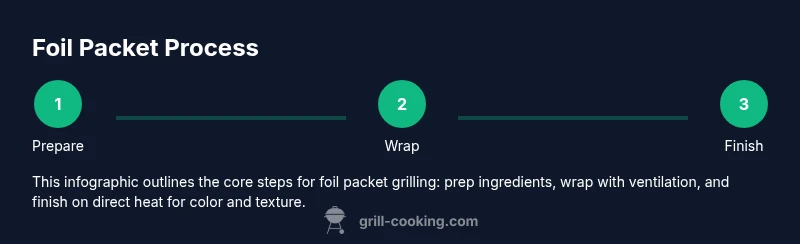
Successful foil cooking hinges on packet construction. Start with heavy-duty foil to reduce tearing; consider double-wrapping for acidic marinades or long cooks. Create a shallow pocket rather than a tight ball to allow steam to circulate; add a small vent or poke a few tiny holes to prevent pressure buildup. Layer ingredients with bones, skins, or membranes down to guide heat and avoid scorching. Place packets on indirect heat first to warm contents gently, then move to direct heat to finish. If you’re cooking multiple items, rotate packets periodically for even heating. Finally, always allow a brief rest after removing packets—this helps juices redistribute and flavors settle.
Timing cues by food type and texture cues
There isn’t a universal timer for foil grilling, because heat, grill type, and food thickness vary. Use visual and texture cues to decide when to unwrap. For delicate proteins, aim for a fully opaque center and just a hint of flake when tested with a fork. For veggies, internal tenderness should be achieved without the packet contents turning mushy. If you’re mid-cook and the packet seems dry, add a splash of broth or water and reseal to reintroduce steam. In all cases, monitor the heat level, rotating packets for even exposure. Grill Cooking’s guidance reinforces that relying on sensory cues (smell, color, feel) plus a safe internal temperature yields the best results without overcooking.
Doneness testing and safe handling with foil
Even when using foil, doneness must be verified with a thermometer for foods like chicken, pork, and beef. Insert the probe through the packet’s edge where you can access the meat without tearing the seal. For fish, aim for a flaky center with an opaque color. Remember to let cooked foods rest 5–10 minutes after removing from heat to redistribute juices. When removing foil, do so away from your face to avoid steam burns, and discard any used foil safely or recycle if possible. Proper handling reduces the risk of foodborne illness and keeps your grill area clean.
Common mistakes and quick fixes
Common foil mistakes include over-sealing which traps too much steam, leading to soggy textures, and using too little oil which makes sides stick and dry out. If you notice sogginess, crack the packet open slightly toward the end and let excess steam escape. If moisture is insufficient, add a light splash of broth, wine, or citrus juice inside the packet—this creates additional steam and a burst of flavor. Another frequent error is using overly thick cuts that require longer cook times; in this case, consider pre-cut portions or larger packets to maintain even cooking.
Safety, heat management, and cleanup
Handle foil with heat-resistant gloves and always use long-tipped tongs to avoid burns. Keep a safe distance from flare-ups and avoid placing heavy aluminum directly on hot coals if you’re worried about warping. After cooking, allow packets to rest briefly, then carefully open away from your face. For cleanup, fold and discard used foil into a waste container, or compost if your foil is clean and aluminum is widely accepted in your recycling stream. Grill maintenance habits—like keeping the grates clean and applying light oil—help prevent sticking and improve heat transfer for future cooks.
Flavor boosters and simple foil packet ideas
Foil packets are a blank canvas for flavor. Try lemon, garlic, and fresh dill with salmon; or a caper, olive, and tomato mix with chicken. For vegetables, toss peppers and onions with olive oil, thyme, and a splash of balsamic for a caramelized finish. You can also experiment with spice blends designed for grilling—just keep acidity in check to avoid foil corrosion. The beauty of foil is combining ingredients you love with a reliable cooking method to create consistent, tasty results on your grill.
Tools & Materials
- Heavy-duty aluminum foil(Sheets large enough to wrap ingredients with stable folds; consider double wrapping for acidic marinades)
- Grill-safe tongs(Long-handled to keep hands away from heat)
- Instant-read thermometer(Critical for verifying doneness in proteins)
- Heat-resistant gloves(Protect hands when handling hot packets)
- Grill brush(For quick grate cleanup before and after cooking)
- Sharp knife or scissors(For opening packets safely and trimming edges)
- Olive oil or non-stick spray(Lightly oil packets to prevent sticking)
- Cutting board(Prep ingredients before sealing packets)
Steps
Estimated time: 40-60 minutes
- 1
Gather ingredients and preheat grill
Collect your vegetables, fish or meat, seasonings, and foil. Preheat the grill to a medium heat range so you can build a safe indirect zone first. This ensures even cooking and minimizes scorching later.
Tip: Have all packets ready before you start so you can handle them quickly without losing heat. - 2
Cut and season ingredients
Trim any excess fat, pat dry proteins, and season or marinate as desired. Dry surfaces sear better and help seasonings adhere. For vegetables, toss with a light coat of oil and salt to promote caramelization.
Tip: Keep portions uniform so packets cook evenly; uneven pieces lead to uneven doneness. - 3
Assemble packets with ventilation
Place ingredients on a sheet of foil, add a small amount of liquid (broth, wine, lemon juice) for steam, then seal with a loose fold and a second wrap if needed. Make sure there is a tiny vent to release excess steam.
Tip: Avoid sealing too tightly; steam must escape to prevent bursting or soggy textures. - 4
Position packets on grill
Set packets on the cooler side of the grill (indirect heat). Close the lid and allow heat to permeate slowly. Rotate packets every 5–8 minutes to ensure even cooking and prevent hot spots.
Tip: If your grill has hot zones, place packets near the center where heat is more evenly distributed. - 5
Proceed with indirect heat, then finish direct
Cook with indirect heat for the initial phase until ingredients are heated through and flavors meld. Move packets to direct heat for a short finish to develop color and crisp edges on proteins or glaze vegetables.
Tip: Use the thermometer to verify doneness before finishing; this prevents overcooking. - 6
Unwrap and test for doneness
Carefully open packets away from your face and test with a thermometer or fork. For fish, look for opaque color and flakiness; for poultry and pork, ensure safe internal temperature; for vegetables, check tenderness.
Tip: Let contents rest a few minutes after unwrapping to redistribute juices. - 7
Rest and plate
Transfer to a warm plate and let proteins rest briefly to reabsorb moisture. This step keeps slices juicy and slices tender. Plate with a final drizzle of olive oil or fresh herbs if desired.
Tip: Resting is as important as cooking; it makes a noticeable difference in texture. - 8
Clean up and reuse or recycle
If foil is still clean and can be recycled in your program, keep it separate. Otherwise discard. Wipe grates and prepare for next cook to maintain grill performance and prevent food residue from sticking.
Tip: Rinse off excess seasoning from foil before discarding to reduce mess and odors.
FAQ
When should I wrap fish in foil on the grill?
Wrap fish early in the cook to seal in moisture, then finish on the grill for a gentle, tender result. This helps prevent drying out delicate fillets while preserving delicate flavors.
Wrap fish early to keep it moist, then finish on the grill for tenderness.
Is foil safe on a charcoal grill?
Yes. Foil packets are safe on charcoal grills when used with caution. Avoid placing directly on hot coals; use indirect heat zones and monitor the fire to prevent flare-ups.
Foil is safe on charcoal when used properly in indirect heat zones.
Can I reuse foil packets?
You can reuse the same packets if they are still clean and have held no raw juices. In most cases, it’s cleaner and safer to discard used packets and start fresh.
Reuse only if packets stayed clean and aren’t contaminated; otherwise, discard.
What foods benefit most from foil?
Non-watery vegetables, delicate fish, and lean proteins benefit most because foil keeps surface moisture, prevents burning, and allows flavors to concentrate without direct heat contact.
Foil helps delicate items stay moist and flavorful.
Should I vent my packets?
Yes. A small vent reduces pressure buildup and helps steam escape, avoiding soggy textures and packet bursts.
Vent the packets slightly to prevent bursting and sogginess.
How do I avoid soggy veggies in foil?
Use a light oil, avoid over-wrapping, and vent the packet. Finish with a short direct-heat touch to crisp edges after steaming.
Vent and finish on direct heat to keep veggies crisp.
Watch Video
Quick Summary
- Wrap strategically to trap moisture without oversteaming.
- Finish unwrapped to develop color and texture.
- Use a thermometer to verify doneness for safety.
- Vent packets to prevent pressure buildup.
- Choose foil wisely; heavy-duty helps with acids and longer cooks.