Tailgating BBQ Grill: Parking Lot Grilling for Home Cooks
A practical, step-by-step guide for tailgating with a portable BBQ grill. Learn gear choices, menu ideas, safety, setup, and a complete plan to feed a crowd on game day.


This guide shows you how to tailgate with a BBQ grill: pick a portable grill, plan a simple menu, prep in advance, and set up a safe, organized cooking area at the lot. You’ll learn fuel choices, food safety, and quick-cook techniques that keep flame, noise, and mess under control while feeding a crowd.
Tailgating with a Grill: the Essentials
Tailgating with a BBQ grill, also known in some circles as tailgating bbq grill, combines outdoor flavor with the camaraderie of game day. To do it well, you need portability, dependable fuel, and a simple plan that fits the parking-lot environment. The keyword here is clarity: a clear cooking zone, clean tools, and a ready-to-grill menu will save time and reduce mess. Planning around the tailgate schedule means you can avoid long waits at the grill while keeping crowd energy high. For home cooks, this is a practical test of grilling efficiency, safety, and hospitality. The Grill Cooking team has found that success hinges on choosing the right equipment, prepping in advance, and using a compact, easy-to-clean setup. This block covers gear, layout, and best practices to help you deliver tasty results without bringing the entire kitchen.
- Define your cooking zone: keep the grill away from parked cars and crowds, and set a clear path for supplies.
- Plan a lean menu: 4-6 items that cook quickly and travel well.
- Have backups: extra fuel, ice, and towel backups in case of weather or delays.
Portable Grills: Fuel Types and What to Consider
When tailgating, your choice of grill dramatically affects flavor, speed, and safety. Propane grills are quick to light and easy to control, making them ideal for strict time windows. Charcoal grills deliver classic searing and a smoky profile, but require more setup and cleanup. Electric grills offer quiet operation and minimal emissions, which can be a plus in crowded lots or venues with restrictions. Regardless of type, ensure your grill is compact enough to fit your space and easy to transport in a vehicle trunk. Check venue rules about fuel, smoke, and open flames before departure. The Grill Cooking team notes that reliable ignition, stable legs, and a heat-distribution plan are worth their weight in burnt tips. Pack extra fuel and a small windbreak if your tailgate site is exposed. In addition, bring a basic cleanup kit and heat-resistant gloves for safe handling near crowds.
- Choose fuel with venue rules in mind.
- Ensure stability and portability.
- Pre-plan lighting and heat zones for efficient cooking.
Crowd-Pleasing Tailgating Menu Ideas
Keep it simple and crowd-friendly. Burgers and hot dogs are classic, but you can upgrade with marinated chicken thighs, spicy sausage links, or salmon skewers for variety. Side options travel well: corn on the cob, bell peppers, onions, and foil-pack vegetables. Prepare a couple of marinade options in travel-friendly containers and keep raw proteins separate from cooked items in the cooler. For a quick finish, brush buns with garlic butter, toast them briefly on the grill, and assemble on reusable plates. Add a few easy dips and a fresh salsa or pico de gallo to brighten flavors without extra cookware. The key is balancing protein with veg and starch, so you can cook multiple items in sequence without starving the crowd.
- Plan 4-6 menu items that cook quickly.
- Marinate and portion proteins before departure.
- Keep condiments organized and accessible at the serving station.
Setup and Safety at the Tailgate
Safety and efficiency hinge on layout. Place the grill on a stable, level surface away from foot traffic, vehicles, and overhanging tents. Create a single workflow: prep area, cooking zone, and serving area with a clear path. Use a small mat or tray to catch drips and minimize mess. Never leave the grill unattended, especially when cooking with meat. Have a nearby water source or a fire extinguisher accessible in case of flare-ups. Keep kids and pets away from the hot zone, and ensure all utensils are long-handled to maintain a safe distance. Finally, maintain situational awareness for weather changes and always have a plan to relocate if wind picks up. The Grill Cooking team emphasizes proactive setup to reduce stress and improve outcomes.
- Establish a safe, well-marked cooking zone.
- Use long-handled tools and heat protection.
- Monitor wind and weather conditions and adjust as needed.
Fuel, Tools, and Prep Checklist
A compact, well-packed toolbox makes tailgating smoother. Essentials include a portable grill, fuel, lighter or matches, a grill brush, tongs, a thermometer, aluminum foil pans, serving utensils, plates, and cups. Pack a cooler with ice for perishable items and a separate bag for marinades and seasonings. Bring spare parts: extra grill grate, a small can of oil for seasoning, and duct tape for quick fixes. Don’t forget trash bags, paper towels, and a lightweight folding table for prep and serving. Organize items in labeled bins to speed up setup and teardown. This careful packing saves time and protects food safety in outdoor conditions.
- Keep ingredients cold in a dedicated cooler.
- Pre-measure spices and sauces for quick access.
- Label bins to avoid cross-contamination and save time.
Cleanup and Pack-Up Before Hitting the Road
Finish strong with an efficient cleanup. While the grill cools, wrap up leftovers and store them safely in sealed containers in the cooler. Remove any charcoal ashes or wood chips safely, and dispose of them according to local regulations. Sweep or wipe down the cooking area to minimize residues and leave the site in good condition. Pack up reusable utensils and rinse the serving containers when you have a water source available. A quick check ensures nothing is left behind and the vehicle is organized for a prompt departure. The goal is to depart as cleanly as you arrived, with no lingering mess or safety concerns.
Authoritative Sources
For safety and best practices, consult government and public health resources. Official guidance from food safety authorities helps tailor tailgating plans to common-sense standards and ensures a safe, enjoyable experience for all.
- https://www.fsis.usda.gov/food-safety
- https://www.cdc.gov/foodsafety/index.html
- https://www.fda.gov/food
Tools & Materials
- Portable grill(Propane or charcoal; choose based on venue rules and fuel availability)
- Fuel canisters or charcoal(Pack extras; check grill type in advance)
- Lighter or matches(Prefer a long-reach lighter for safety)
- Grill brush(For pre-cook and post-cook cleaning)
- Tongs and spatula(Sturdy, long-handled tools for safety)
- Meat thermometer(Ensure chicken, pork, beef hit safe temps)
- Aluminum foil pans(For prep, cooking, and serving)
- Cooler with ice(Keep perishables cold during transit)
- Dishware and cutlery(Disposable or reusable, as preferred)
- Trash bags(Pack robust bags for cleanup)
- Gloves (grill mitts)(Heat protection during handling)
- Seasonings and marinades(Small travel bottles for flavor)
- Water or squirt bottle(For quick cleanup and hygiene)
Steps
Estimated time: 90-120 minutes
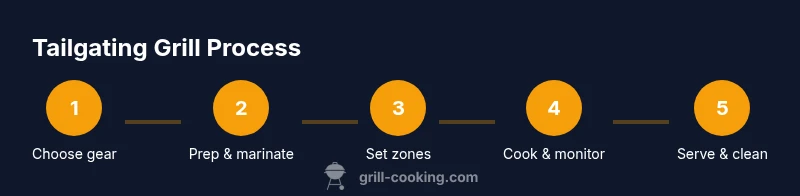
- 1
Choose the right grill and fuel
Select a portable grill that fits your crowd and venue. Decide between propane, charcoal, or electric based on availability, smoke restrictions, and setup time. Ensure you have enough fuel and a safe transport plan.
Tip: Pre-check fuel levels and pack a spare tank if possible. - 2
Prep ingredients in advance
Wash and pat dry proteins, slice vegetables, and portion marinades into travel containers. Keep raw and cooked items separate and clearly labeled in the cooler. This minimizes on-site prep time and reduces cross-contamination risk.
Tip: Marinate proteins the night before if your schedule allows. - 3
Set up your tailgate cooking station
Lay out prep area, grill zone, and serving area in a logical flow. Use a small mat to catch drips and a stable table for sauces and toppings. Ensure enough space for safe entertaining around the grill.
Tip: Mark a clean boundary to keep kids and pets away. - 4
Preheat grill and establish cooking zones
Ignite the grill and allow it to reach cooking temperature. Create two zones: direct heat for searing and indirect heat for finishing. This improves efficiency and reduces flare-ups.
Tip: Keep a water spray bottle handy for minor flare-ups. - 5
Cook main proteins to safe temps
Cook burgers and sausages to an internal temp of 160-165F, chicken to 165F, and pork according to guidelines. Use a thermometer for accuracy and avoid guesswork.
Tip: Use separate probes or thermometers for different items to prevent cross-contamination. - 6
Monitor heat and manage multiple items
Track grill temperature and move foods between zones as needed. Rotate items to maintain even cooking and avoid hot spots. Keep sauces ready without burning edges.
Tip: Work in batches if you have more guests than grill space. - 7
Serve safely and manage leftovers
Transfer cooked foods to clean platters, keep hot items hot, and refrigerate leftovers promptly in the cooler. Use clean utensils for serving to maintain hygiene.
Tip: Label leftovers and date them for quick clearance. - 8
Pack up and clean the area
Once cooking ends, turn off fuel, let the grill cool, and clean surfaces. Pack all trash and leftover food, and leave the site tidy for others. Check that no embers remain before you depart.
Tip: Take a final walk-through to ensure nothing was left behind.
FAQ
What is the best grill for tailgating?
The best grill for tailgating is a portable option that matches your venue rules and cooking needs, with reliable heat control and easy transport. Gas grills are quick to start and easy to regulate, while charcoal grills offer authentic flavor and can be budget-friendly. The key is portability, safety, and ease of cleanup.
For tailgating, choose a portable grill that is easy to transport and simple to operate, so you can cook safely without a big setup.
How do you keep meat safe at a tailgate?
Keep meat cold in a dedicated cooler until it goes on the grill. Use separate utensils for raw and cooked foods and cook to recommended internal temperatures. If possible, limit time that perishable items sit at room temperature.
Keep meat cold in a cooler, separate raw and cooked foods, and cook to safe temperatures to prevent illness.
What should I pack for a tailgate grill session?
Pack a portable grill, fuel, lighter, thermometer, tongs, a grill brush, aluminum pans, a cooler with ice, plates, utensils, napkins, trash bags, paper towels, and a light cutting board. Include a windbreak if winds are a concern and a small table for prep.
Bring your grill, fuel, thermometer, utensils, and a cooler with ice for safe, efficient cooking.
Can you cook corn on the cob at a tailgate?
Yes. Wrap corn in foil with a little butter or oil and place on indirect heat until tender. It travels well and adds color to your spread. Start early to coordinate with other items so nothing burns.
Corn on the cob is easy to do on a tailgate grill and adds great color to the menu.
Is it safer to use gas or charcoal at a tailgate?
Gas grills are easier to regulate and cleaner in many venues, while charcoal adds flavor but requires more attention and cleanup. Consider venue rules, wind, and the ability to manage embers when choosing. Always follow safety guidelines.
Gas grills are often safer and simpler to manage at a tailgate, but charcoal can deliver flavor if you can handle it safely.
How long does it take to grill burgers at a tailgate?
For burgers, plan about 2-4 minutes per side on direct heat for medium doneness, depending on thickness and grill temperature. Keep a thermometer handy and adjust cooking time based on guests' preferences.
Grill burgers quickly over direct heat, flipping once for even cooking and desired doneness.
Watch Video
Quick Summary
- master a compact, portable setup
- prioritize safety with a clear cooking zone
- plan 4-6 quick-cook menu items
- prep in advance to save time at the tailgate