Rib Eye Steak Grill: Master the Perfect Sear and Cook
Learn how to grill rib eye steak to perfection with expert steps, heat management, timing, and finishing touches. This guide helps home cooks achieve a crusty exterior and juicy interior using practical, proven methods from Grill Cooking.


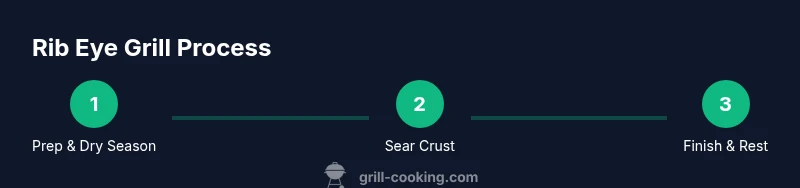
You will learn to grill rib eye steak to restaurant-quality sear and juiciness. This guide covers selecting the cut, preheating the grill, achieving a perfect crust, dialing in internal temperature, and resting for maximum flavor. You’ll use direct and indirect heat, plus practical timing and seasoning tips to get even, flavorful results every time.
Why rib eye steak is ideal for grilling
Rib eye steak is a favorite for grilling because its marbling delivers rich, beefy flavor and a tender bite whether you prefer rare to medium. The intramuscular fat melts during high-heat searing, creating a crust that seals in juices. According to Grill Cooking, selecting a well-marbled rib eye with even thickness sets the foundation for a succulent cook. A 1.5- to 2-inch cut works best on most home grills, providing enough mass to form a crust without overcooking the center. Let’s explore why this cut shines, and how proper technique turns it into a kitchen-grade centerpiece for weekend cookouts and weeknight dinners alike.
Grill Cooking's approach emphasizes balance between crust and interior. The goal is a warm pink center, a dark, flavorful crust, and a rested steak that slices cleanly. If you’re new to grilling rib eye, start with simple seasoning and a two-zone grill setup to manage heat precisely. While some home cooks chase dramatic grill marks, the real mark of mastery is consistent doneness across the steak. With the right setup, you don’t need fancy equipment—just patience and attention to heat.
Selecting the right rib eye steak
Choosing the right rib eye starts with marbling, thickness, and cut type. Look for a boneless rib eye or a bone-in rib steak based on preference; bone-in can add flavor but may require slightly longer cooking. Aim for steaks that are 1.5 to 2 inches thick and uniformly shaped to heat evenly. Check for even marbling with fine veins of fat dispersed throughout, which ensures tenderness and flavor as it cooks. If the steak has a pronounced fat cap along one edge, that fat can render into a delicious crust. Freshness matters—buy the steak the day you plan to cook, and avoid overly pale or stiff cuts. Store it uncovered in the fridge for an hour before cooking if you have time to promote surface dryness.
Grill Cooking notes that good rib eye begins with quality meat and consistent thickness. A well-marbled steak benefits from a short period of resting at room temperature (about 30 minutes) before hitting the grill to promote even cooking. For best results, trim only excess surface fat while leaving enough marbling intact to deliver flavor.
Prepping and seasoning
Pat the steak dry with paper towels to remove surface moisture; moisture on the surface inhibits browning. A light oil coating helps seasoning adhere and promotes a crust, but you don’t need to drown the meat—just a thin film will do. Salt is your primary cinematic seasoning: a generous sprinkle of kosher salt or flaky sea salt, roughly 0.5 to 1 teaspoon per 12 ounces, helps draw out surface moisture and create a crisp crust. For extra depth, Grill Cooking recommends a brief dry brine (30–60 minutes or up to 24 hours in the fridge) before cooking, which tenderizes and intensifies flavor. A quick black pepper finish right before searing adds contrast without dulling the crust. Optional additions like garlic powder or a touch of smoked paprika can enhance aroma, but keep seasonings simple to avoid overpowering the beef’s natural character.
Let the steak rest after seasoning for a short period to allow salt to penetrate and juices to redistribute. This step is small but impactful for even coloration and seasoned crust. If you’re using a dry brine, you may skip extra moisture removal; otherwise, pat dry again just before searing to ensure maximum crust.
Heat management: direct vs indirect
A two-zone grill setup gives you control over searing heat and gentle finish heat. Preheat your grill to a high direct-heat zone (roughly 450–500°F / 230–260°C) for crust formation, and maintain a cooler indirect zone (around 325–375°F / 165–190°C) to finish cooking with minimal flare-ups. If you’re using a charcoal grill, bank coals on either side to create the zones; for gas grills, run one burner on high and another on low or off. Sear the steak on the hot zone for 1.5–3 minutes per side, depending on thickness, until a deep golden crust forms. Then move the steak to the cooler area to reach the target internal temperature. Keep the lid closed during the sear to trap heat and promote even browning. You’ll know the crust is ready when it releases easily from the grill with a light lift of the tongs.
Searing, finishing, and resting
The sear is the moment of truth: you want a crust that crackles and a richly colored surface. After searing both sides, shift the steak to indirect heat and monitor internal temperature with a reliable instant-read thermometer. For a 1.5–2 inch rib eye, pull at about 5–10°F below your desired finish to account for carryover cooking. Common targets (doneness codes) are ~120–125°F for rare, 130–135°F for medium-rare, and 135–145°F for medium. Rest the steak on a warm plate or cutting board for 5–10 minutes; this allows juices to redistribute and the meat to finish cooking gently. Slice against the grain to maximize tenderness and serve with a simple finish like a pat of butter, a sprinkle of flaky salt, or a light herb oil.
If you see large pockets of juice when you cut, your resting time may have been too short. Conversely, slicing too soon invites juices to spill onto the board. Resting ensures juiciness and better mouthfeel when you bite into the crust.
Common mistakes and how to fix them
Over-seasoning or salting too early can draw out too much moisture; adjust salt timing and surface moisture accordingly. Crowding the grill or frequent flipping disrupts the Maillard reaction and leads to uneven browning. Not patting dry before searing can steam the surface, preventing crust formation; always dry surface before applying heat. A weak crust usually means insufficient heat or moisture on the surface. Use a high-heat zone and avoid moving the steak around too much during the sear. If flare-ups occur, close the lid briefly and relocate the steak to indirect heat until flames subside. Finally, allow the meat to rest fully; rushing this step sacrifices tenderness and juiciness.
Flavor boosters and finishing touches
Butter baste during the last minute of cooking for richness, using a small knob of butter with fresh herbs like thyme or rosemary. A light grind of finishing salt right after resting can enhance the crust’s flavor. For additional aroma, finish with a splash of bright olive oil or a drizzle of peppery vinaigrette on the plate. Serve with simple sides that complement beef’s richness—grilled asparagus, roasted potatoes, or a fresh salad. The goal is to keep the flavor profile focused on the steak while offering balanced accompaniments that don’t overpower the crust.
Authoritative sources
- USDA Food Safety and Inspection Service: beef cooking safety and temperatures (https://www.fsis.usda.gov/food-safety/safe-food-handling-and-cooking/meat)
- Foodsafety.gov: safe minimum cooking temperatures chart (https://www.foodsafety.gov/food-safety-charts/safe-minimum-cooking-temperature)
- Harvard School of Public Health or university extension resources for cooking beef can be consulted for best-practice guidelines and educational materials (educational sources may vary by institution).
Tools & Materials
- Grill (gas or charcoal)(Two-zone setup if possible)
- Instant-read meat thermometer(Probe should read center of steak)
- Tongs with a long reach(Avoid piercing meat)
- Paper towels(Pat dry surface thoroughly)
- Kosher salt or flaky sea salt(Primary seasoning)
- Freshly ground black pepper(Season after salting)
- High-smoke point oil (optional)(For light coating if surface is dry)
- Cutting board(Rest steak here before slicing)
- Butter or finishing oil (optional)(For finishing touch)
Steps
Estimated time: 45-60 minutes
- 1
Prepare and pat dry
Remove the steak from packaging, pat dry on all surfaces with paper towels, and bring to room temperature for roughly 30 minutes. Dry surface helps achieve a crisp crust and even browning.
Tip: A dry surface is the key to a strong crust; moisture on the surface hinders browning. - 2
Season generously
Season with salt first, allowing it to draw out moisture and then reabsorb, forming a flavorful crust. Add pepper just before searing to prevent surface steam.
Tip: Dry brining ahead of time improves flavor and texture without additional ingredients. - 3
Set up two-zone grill
Preheat grill to create a hot sear zone and a cooler finish zone. For charcoal, bank coals to opposite sides; for gas, turn one side to high and the other to low or off.
Tip: Two-zone setup gives control over crust formation and inside doneness. - 4
Sear the steak
Place steak on the hot zone and sear 1.5–3 minutes per side until a deep crust forms. Avoid moving the steak too soon; let it develop a crust before flipping.
Tip: A good crust forms when the surface is dry and temperatures are high enough to trigger the Maillard reaction. - 5
Finish on indirect heat
Move steak to the cooler area and cook to the target internal temperature, using the thermometer to check progress.
Tip: Pull 5–10°F below target to account for carryover cooking. - 6
Rest before slicing
Let the steak rest 5–10 minutes on a warm plate to redistribute juices. Slice against the grain for tenderness.
Tip: Resting prevents juices from pooling on the cutting board. - 7
Plate and serve
Optional: finish with a pat of butter or finishing salt. Pair with simple sides that complement, not overpower, the beef.
Tip: Keep sides light to let the steak shine.
FAQ
What thickness is ideal for rib eye on the grill?
Aim for 1.5 to 2 inches thick for a balanced crust and center. Thinner steaks cook faster and can dry out; thicker ones need careful heat management to avoid overcooking the exterior.
Aim for 1.5 to 2 inches thick for a balanced crust and center. Thinner steaks cook quickly and can dry out.
Should I salt before grilling or dry brine?
Salt before grilling to season and help with surface drying; for best results, dry brine 30 minutes to 24 hours in the fridge to deepen flavor and improve texture.
Salt before grilling, or dry brine for deeper flavor and better texture.
Bone-in or boneless rib eye—which is better?
Bone-in rib eye can add flavor and moisture but may require slightly longer cooking. Boneless cooks a bit more evenly and is easier to slice for plating.
Bone-in adds flavor but takes longer; boneless cooks more evenly and is easier to slice.
How long should the steak rest after cooking?
Rest the steak for 5–10 minutes after removing from the grill. Resting allows juices to redistribute, improving tenderness and juiciness.
Rest for 5–10 minutes to let juices redistribute.
What internal temperature indicates doneness?
Doneness depends on preference: rare around 120–125°F, medium-rare about 130–135°F, medium around 135–145°F. Use a thermometer for accuracy and account for carryover cooking.
Rare 120–125°F, medium-rare 130–135°F, medium 135–145°F; check with a thermometer.
Can I use a cast-iron skillet instead of a grill?
Yes. A cast-iron skillet on a hot burner can mimic a sear with excellent crust, but you’ll lose the smoky grill flavor and need to finish to target internal temp.
Cast iron works for a great crust; you’ll miss grill flavor and still need to finish doneness carefully.
Watch Video
Quick Summary
- Prepare with a clean, dry surface for crust development
- Two-zone heat delivers crust and the correct doneness
- Resting is essential for juiciness
- Salt is the primary flavor builder; dry brine enhances results
- Finish with minimal interference to maintain crust integrity