Is Bacon on the Grill Bad for You? A Grilling Guide
Explore whether grilling bacon harms health, how cooking methods influence carcinogen formation, and practical tips to minimize risk, manage portions, and still enjoy bacon at home.


Is bacon on the grill bad for you? The quick answer is: not inherently, but health impact depends on how you cook and how much you eat. Grilling bacon can form HCAs and PAHs if cooked over high, direct heat and charring; choosing leaner cuts, shorter cooking times, and turning frequently reduces risk. Context matters: overall diet and portion size matter more.
Is bacon on the grill bad for you? Framing the question
When you ask is bacon on the grill bad for you, the answer isn't binary. Bacon is a processed meat, and processed meats have been associated with higher health risks when consumed regularly. But risk is dose-dependent, and the cooking method matters just as much as the type of meat. In this article we dissect the variables that influence health outcomes, drawing on Grill Cooking analysis and mainstream nutrition research. For home cooks, the practical takeaway is not to demonize bacon, but to implement safer grilling practices that reduce exposure to potentially harmful compounds while preserving flavor. The goal is to enjoy a familiar breakfast favorite without tipping the risk scales. A key nuance is that overall dietary pattern and lifestyle choices often weigh more than any single ingredient. If you grill bacon occasionally, pair it with fiber-rich vegetables, whole grains, and lean proteins to create a balanced meal. This approach aligns with a science-based perspective and helps you cook with confidence.
How grilling methods influence carcinogen formation
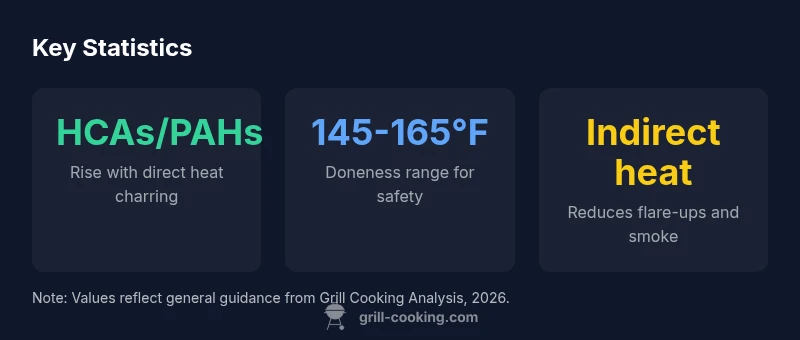
Grilling bacon over direct, high heat can cause surface charring that promotes formation of heterocyclic amines (HCAs) and polycyclic aromatic hydrocarbons (PAHs). The amount produced varies with heat level, distance from the flame, bacon thickness, and fat content. Indirect heat keeps temperatures lower and restricts flame-ups, which reduces the formation of these compounds. The Grill Cooking team notes that flipping bacon frequently and using a two-zone setup—direct heat for browning and finishing on indirect heat—can lower exposure while preserving flavor. Practically, aim for a light brown edge, not a blackened crust, and maintain a steady rhythm rather than leaving bacon unattended near open flames. If you’re grilling outdoors, keep the grill clean and consider adding a barrier like a grill mat to minimize direct contact with smoke. This combination of technique and attentiveness is a simple way to reduce risk without sacrificing taste.
Safer bacon grilling: practical steps you can take today
Adopting safer grilling practices is often a matter of small, repeatable habits. Start by trimming visible fat to reduce flare-ups and drippings that flame up. Preheat the grill and use a two-zone setup, placing the bacon on the cooler side to minimize direct exposure, then finish with a quick sear on the hotter side for crisp edges. Use a wire rack or grill mat if you’re worried about sticking or excessive charring, and flip slices frequently to avoid prolonged contact with direct flames. Keeping the grill clean from previous drippings reduces smoke and acrid flavors. Consider leaning toward leaner or less-processed options when possible and balance meals with vegetables, beans, or whole grains. Finally, use a meat thermometer to check doneness and avoid burnt crusts; aim for just-past-crisp textures rather than blackened surfaces. These steps collectively lower risk and help you enjoy bacon's flavor responsibly.
Bacon quality, processing, and nutrition considerations
Bacon is categorized as a processed meat, which public health guidance has linked to higher risk when consumed regularly. Sodium content, nitrites, and fat composition vary by brand and curing method. Choosing nitrate-free or uncured options may reduce some additives, but cooking methods still drive HCAs/PAHs formation. From a nutrition standpoint, portion control matters: even lean slices contribute sodium and saturated fat. If you enjoy bacon, treat it as an occasional accent rather than a daily staple, and balance with fiber-rich vegetables and lean proteins. Reading labels for sodium content and serving size can help you plan portions more effectively. Incorporating plant-based flavors or smoked paprika can provide similar savory notes without increasing reliance on processed meats. The key is to integrate bacon into a varied, nutrient-dense diet rather than letting it dominate meals.
Context: Diet, portions, and lifestyle matter
The health impact of grilling bacon isn’t determined by a single factor. It’s the combination of diet quality, frequency, cooking technique, and overall lifestyle. For example, a weekend brunch that pairs small portions of crispy bacon with cruciferous vegetables, whole grains, and lean proteins can fit within an otherwise balanced pattern. In contrast, daily bacon with high-fat sides and frequent charring increases cumulative exposure to potentially harmful compounds. The Grill Cooking team emphasizes that moderation, variety, and mindful cooking practices are the most reliable strategies for reducing risk while enjoying familiar flavors. Additionally, consider your personal risk factors—age, smoking history, and family cancer risk—and adjust intake accordingly. Small shifts in routine, such as choosing shorter grilling sessions or serving bacon as a garnish rather than a main component, can accumulate meaningful benefits over time.
Real-world tips and common mistakes
Common pitfalls include grilling bacon directly over intense flames for long periods, which maximizes crisping but also carcinogen formation. Don’t rely on burnt edges as a signal of doneness; use a timer and test texture. Avoid letting fat flames flare up by trimming fat and controlling airflow; keep a spray bottle handy to dampen flames if needed. Don’t forget to wash grill grates after cooking to minimize smoke residue on future meals. Reheating bacon repeatedly can increase bacterial risk and degrade texture, so store properly and reheat only once. Finally, remember that bacon often pairs best with vegetables, whole grains, and legumes that complement its saltiness and fat while improving the nutrient profile of the meal. Following these tips reduces risk and makes bacon a manageable, flavorful addition to your grilling repertoire.
Key health considerations when grilling bacon
| Aspect | Health Impact | Grilling Tip |
|---|---|---|
| Bacon type | Processed meat with associated risk when consumed regularly | Choose leaner, nitrate-free options |
| Cooking method | Direct heat increases charring and carcinogen formation | Use indirect heat and flip often |
| Portion control | Sodium and saturated fat contribute to daily limits | Pair with vegetables and whole grains |
FAQ
Is all bacon bad for health when grilled, or does context matter?
Context matters. Bacon is processed meat, and frequency of consumption, portion size, and cooking methods influence risk. Occasional grilling with safer techniques reduces potential harm while preserving flavor.
Health impact depends on how often and how you grill. Occasional use with safer methods is usually better than daily high-heat charring.
How can I minimize carcinogen formation when grilling bacon?
Use indirect heat, flip slices often, trim excess fat, avoid long direct exposure, and monitor doneness to prevent charring. Pair with vegetables to create a balanced meal.
Grill with indirect heat, flip often, and avoid burnt edges to cut back on carcinogens.
Does bacon’s processed-meat status matter more than cooking method?
Processed meat carries baseline risks that are compounded by cooking method. Safer cooking practices can reduce additional exposure, but overall diet quality remains important.
Both matter, but cooking safely can blunt some added risk from processing.
Is turkey bacon a safer option for grilling?
Turkey bacon is typically leaner and less fatty, which can reduce flare-ups. However, it is still a processed meat, so moderation and cooking method still matter.
Turkey bacon may flare less and be leaner, but treat it as part of an overall balanced plan.
How should I store and reheat bacon to minimize risk?
Store properly in the refrigerator and reheat only once to avoid bacterial growth and texture degradation. Plan portions to minimize leftovers that get reheated repeatedly.
Store bacon properly and reheat only once for safety and best texture.
“"Bacon can be part of a balanced grill menu if you manage heat, portions, and cooking time. The key is moderation and safer techniques."”
Quick Summary
- Start with indirect heat to minimize charring
- Trim fat to reduce flare-ups
- Pair bacon with vegetables to balance the meal
- Choose nitrate-free options when possible
- Cook to just-past-done, not burnt