How to Get Grill Marks on Chicken
Learn how to achieve bold, restaurant-style grill marks on chicken with expert prep, high-heat searing, proper rotation, and safe finishing temperatures. This comprehensive guide from Grill Cooking covers technique, common mistakes, and variations for breast, thigh, and bone-in cuts.


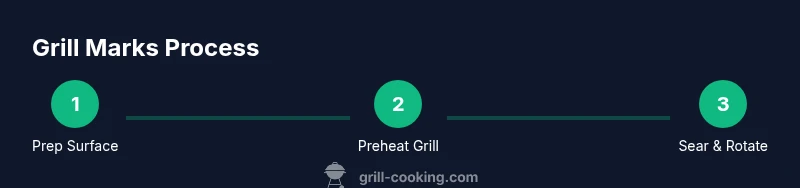
By following these steps, you’ll achieve bold, crosshatched grill marks on chicken. Start with dry, seasoned surfaces, preheat the grill to high (450–500°F), oil lightly, and sear with a 90-degree rotation halfway through each side before finishing. This method balances flavor, color, and safe internal temperature.
Why grill marks matter
Grill marks are more than a pretty pattern on the surface of chicken; they signal a rapid Maillard browning reaction that intensifies flavor and aroma. According to Grill Cooking, achieving bold grill marks on chicken begins with a dry surface, proper heat, and careful timing. The marks also help establish color contrast that makes the meat look appealing on the plate. When done correctly, the crosshatch pattern is a visual cue that the surface has seared quickly while preserving juiciness inside. Practice with thin-cut pieces or evenly pounded breasts to train your eye for even marks across the surface. The goal is consistency—uniform thickness, steady contact with the grate, and a clean grill free of old residue that can dull the sear.
Preparation basics
Preparation starts well before your chicken hits the grill. Pat the meat dry with paper towels to remove surface moisture that would steam instead of sear. Season generously with salt and a chosen rub, then let the seasoning set for a few minutes so the surface can form a crust when it hits the grate. If you’re using a marinade, choose one with minimal sugar for this step to avoid scorching. Keep the chicken at a uniform thickness to promote even contact with the grill and consistent marks across all pieces. Finally, have a light oil ready to apply to either the meat or the grate to prevent sticking and enhance browning.
Preheating and equipment setup
A hot, clean grill is essential for crisp, clear grill marks. Use direct-heat zones on either gas or charcoal grills, and aim for 450–500°F for the sear phase. If you’re using a charcoal grill, fan the coals to build a strong heat halo under the grate. For gas grills, preheat with the lid closed for 10–15 minutes until the grate reads the target temperature. Oil the grate lightly or brush a tiny amount of oil on the chicken surface to reduce sticking and foster a clean sear. Preheating ensures your first contact with the meat creates immediate browning rather than gentle cooking.
Achieving crosshatch marks: technique and timing
To form crosshatched marks, place the chicken on the hot grate and let it sear undisturbed for 2–3 minutes. Then rotate the piece 90 degrees and sear another 2–3 minutes to create the classic grid pattern. Flip and repeat on the other side: two stages of searing with a 90-degree rotation in each stage. If the grill is well heated and the surface is dry, you should see bold lines forming quickly. If marks are slow to appear, check that the grate is hot enough and the meat isn’t too thick. You can finish with a short period of indirect heat to reach the target internal temperature without overcooking the surface.
Common mistakes and how to fix
Common issues include moisture on the surface, which blunts sear; uneven thickness that causes irregular marks; and moving the meat too soon, which breaks the sear. Ensure the surface is dry before grilling and use a meat mallet to even thick pieces if needed. Avoid fat buildup at the edge, which can cause flare-ups and dull the sear. Keep the grill clean so you don’t pick up lingering flavors that mask the browning. Lastly, resist pressing down on the chicken with tongs or a spatula, which squeezes out juices and weakens the crust.
Finishing touches and safety
After searing, move the chicken to indirect heat if you’re aiming for a uniform doneness without charring the surface. Use a meat thermometer to verify an internal temperature of 165°F (74°C) for safety. Remove from heat and rest 3–5 minutes before slicing to let juices redistribute and keep the meat moist. A proper rest helps preserve the crisp crust you achieved during searing. Serve with a light finishing salt or a squeeze of lemon for brightness and balance.
Variations: bone-in, skin-on, and different cuts
Bone-in thighs or skin-on breasts may take longer to reach 165°F, so plan for a longer sear time followed by indirect finishing. For boneless, skinless breasts, use thinner cuts or pat the edges to a uniform thickness to maximize even marks. Skinned fillets still take advantage of a dry surface and a hot grate, but you’ll want to be mindful of overcooking since they can dry out quickly. Regardless of cut, always start with a hot, dry surface for clean, bold grill marks, then finish with indirect heat to seal in juices.
Quick tips for consistent results
- Use consistently thick pieces for uniform marks. - Keep a clean, oiled grate for a pristine sear. - Don’t move the meat during the initial sear to preserve the crust. - Let the meat rest before slicing to maintain juiciness. - If you notice uneven marks, adjust the thickness or rotate management and heat distribution.
Tools & Materials
- Gas or charcoal grill with direct-heat zone(High-heat searing capability; target 450-500°F (232-260°C))
- Tongs(Long-handled, non-slip grip for precise flipping and rotating)
- Meat thermometer(Probe to verify 165°F (74°C) inside the thickest part)
- Paper towels(Pat dry the surface thoroughly before seasoning)
- Seasoning rub or salt(Choose a simple salt and pepper or a spice rub; balance sugar in marinades)
- Oil or high-smoke spray(Lightly oil the meat or the grate to prevent sticking)
- Plate for resting(Allow 3-5 minutes of rest after grilling)
Steps
Estimated time: 20-25 minutes active cook time
- 1
Pat dry the chicken
Use paper towels to pat dry both sides of the chicken. Removing surface moisture is crucial for an effective sear and bold marks.
Tip: A dry surface browns faster and prevents steaming. - 2
Season the chicken
Apply a generous layer of salt and your preferred rub or spices. Rest or lightly pat to help the seasoning stick and develop flavor.
Tip: Even seasoning prevents pale spots where marks may fade. - 3
Oil the surface
Lightly oil the chicken or brush the grate with oil to reduce sticking and improve browning.
Tip: Oil on the meat yields better marks than oil on the grates. - 4
Preheat the grill to high heat
Preheat the grill to 450–500°F so the grate is ready to sear immediately when the chicken lands on it.
Tip: A properly preheated grate is key to clean, bold marks. - 5
Place chicken on the grill
Put the chicken on the hot grate and avoid moving it for the first 2–3 minutes to establish the sear.
Tip: Direct contact with a hot grate creates the initial marks. - 6
Rotate 90 degrees to create crosshatch
After the initial sear, rotate the piece 90 degrees and sear 2–3 more minutes to form a grid pattern.
Tip: Rotation is essential for traditional crosshatch marks. - 7
Finish with indirect heat and verify doneness
Move the piece to indirect heat if needed and cook until 165°F internal. Let rest before slicing.
Tip: Resting preserves juiciness and crisp crust. - 8
Serve and slice properly
Slice against the grain to maximize tenderness and maintain the grilled texture.
Tip: A sharp knife helps keep clean, defined slices.
FAQ
How can I get grill marks on boneless, skinless chicken?
Boneless, skinless chicken responds well to the same high-heat sear. Maintain uniform thickness, sear 2-3 minutes per side, rotate for crosshatch, and finish to 165°F internal. Rest briefly before slicing.
Yes—boneless cuts can form strong grill marks with proper heat and even thickness.
What temperature should I grill at for best marks?
Aim for a direct-heat zone of 450–500°F to form the sear quickly. If the pieces are thick or wanting more doneness, finish with a short period of indirect heat to reach 165°F.
High heat, around four hundred fifty to five hundred degrees, is ideal for marks.
Why are my grill marks faint?
Faint marks usually mean the surface was damp, the grill wasn’t hot enough, or the meat was moved too soon. Dry the surface, reheat the grill, and let the sear develop without disturbance.
If marks are faint, ensure dryness and hotter grates, then try again.
Does marinating affect grill marks?
Sugary marinades can burn and reduce crisp marks. If using sugar-containing marinades, pat dry before searing and consider finishing with a low-sugar glaze after the sear.
Sugar in marinades can hinder crisp marks, so plan accordingly.
Should I rest the chicken after grilling?
Yes. Resting for 3-5 minutes allows juices to redistribute, improving juiciness and making the crust crispier when sliced.
Rest the meat for a few minutes before cutting.
Is bone-in chicken harder to mark?
Bone-in pieces take longer to heat through. Sear exposed surfaces first and finish with indirect heat to ensure the interior reaches 165°F while keeping marks strong.
Bone-in can still get great marks with proper timing.
Watch Video
Quick Summary
- Dry surface and high heat drive bold marks
- Rotate 90 degrees for crosshatch effect
- Finish with indirect heat to reach safe internal temp
- Rest before slicing to preserve juiciness