How to Grill Chicken Wings: The Complete Guide
Learn how grill chicken wings to crispy, flavorful perfection with a two‑zone grill, dry rubs, and finishing sauces. This expert guide covers prep, heat management, timing, and common pitfalls for home cooks in 2026.


By following this guide, you will learn how grill chicken wings to crispy, flavorful perfection. You'll cover wing selection, dry rubs and marinades, heat management for both direct and indirect grilling, and the best finishing sauces. This step-by-step approach ensures even cooking, proper browning, and safe internal temperatures while avoiding common pitfalls for home cooks. Whether you’re prepping for game night or a weeknight dinner, mastering these techniques will elevate your grilled wings.
Preparing the Wings: Selection, Thawing, and Patting Dry
Preparing excellent grilled wings starts with smart prep. For how grill chicken wings, choose between whole wings or pre-separated drumettes and flats based on your preference and grill space. Fresh wings yield better browning and juiciness than previously frozen, but frozen wings are workable with extra thaw time. If thawing, plan for overnight or several hours in the fridge; quick-thaw methods can work but may compromise texture.
Pat the wings dry with paper towels after thawing. Moisture on the surface creates steam on the grill, which tampers browning and crispness. Remove any excess skin and trim tips as desired. Consistency matters: dry, well‑prep wings roast and color evenly, while wet wings tend to steam and cling to the grate. Grill Cooking’s approach emphasizes surface dryness, steady heat, and even spacing to encourage a crisp skin and juicy interior. This foundation is the key to achieving that coveted bite you want when you share how grill chicken wings with friends and family.
Dry Rubs vs Marinades: Flavor Layering
Flavor comes from how you season, and wings are particularly responsive to both dry rubs and marinades. A dry rub layers spices without adding moisture that could impede browning. Typical builds include salt, pepper, paprika, garlic powder, onion powder, chili powder, and a touch of sugar or brown sugar for caramelization. Marinades, on the other hand, introduce moisture and acidity to tenderize slightly and infuse flavor. A simple combo might be olive oil with lemon juice, minced garlic, and herbs. For best results, decide on one approach per batch and plan for about 15–40 minutes of contact time for a quick boost or several hours for deeper flavor.
In practice, many Grill Cooking guides recommend starting with a light dry rub to promote crust formation, then finishing by tossing in a sauce of choice. If you’re new to wings, try a dry rub for a crisp baseline and add a glaze later to elevate flavor without soggy skin.
Patience with Dry Brining
Dry brining is a simple technique that can dramatically improve juiciness and browning. Lightly salt the wings and let them rest, uncovered or loosely covered, in the fridge for at least an hour or up to overnight. The salt draws out moisture, then reabsorbs it with the meat, concentrating flavor and helping develop a better crust once they hit the grill. If you’re short on time, skip brining and proceed with a dry rub, but a short rest after applying spices can still improve flavor distribution.
The Grill Cooking approach emphasizes consistency: apply salt evenly, avoid clustering wings too tightly, and ensure an even layer of seasoning. This step reduces the chance of under-seasoned bites and contributes to a uniform crust when seared over heat.
Grill Setup: Heat Zones and Temperature Targets
A two-zone setup is the backbone of reliable wings on any grill. For charcoal grills, bank coals to one side for indirect heat and leave the other side cooler for direct heat. For gas grills, preheat one area to a higher temperature for searing and keep another area at medium to medium-low for cooking through without burning. The goal is to render fat and cook the meat evenly before finishing with crisp skin.
Temperature targets vary by grill and weather, but a practical approach is to have an indirect zone around 300–350°F (150–175°C) for cooking through, with a direct zone of 400–450°F (205–230°C) for browning and crisping. Maintain airflow and monitor the grill lid to prevent heat spikes. With a stable two-zone setup, you’ll avoid scorching while still achieving a satisfying crust.
Direct Heat vs Indirect Heat: When to Use Each
Direct heat is your friend for browning and crisping skin—think the final minutes when you want a lacquered finish and a crackly crust. Indirect heat is where wings slowly cook through, fat renders, and interior texture stays tender. A common technique is to start wings on the indirect side to cook through, then finish on direct heat to seal in fat and create a satisfying crunch. If you’re cooking larger batches, rotate wings between zones to ensure even browning and avoid hotspots.
Consistency in movement matters: use tongs to turn wings frequently rather than dragging them across the grate, which can tear skin and create uneven browning.
Step-by-Step: Grilling Wings to Crispy Perfection
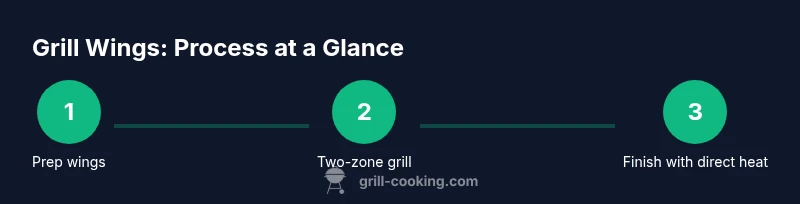
In this stage, you’ll apply a practical sequence that yields consistent results. Begin by preheating and setting up two zones. Place wings on the indirect side and cook for the majority of the time, turning occasionally. When they’re nearly cooked through and have started to color, move them to the direct heat zone to blister and crisp the skin. Continue turning until the crust is deeply colored and the internal temperature approaches 165°F (74°C).
Remember to keep a close watch during the direct phase to prevent burning; wings can go from perfectly crisp to overly charred in a short window. After removing from heat, let wings rest for a few minutes before saucing or serving. A two-stage approach—gentle cooking then quick sear—delivers tender meat and a satisfyingly crisp exterior.
How to Tell When Wings Are Done
Judging doneness is a balance of time, temperature, and visual cues. The safe internal temperature for poultry is 165°F (74°C). Use an instant-read thermometer inserted into the thickest part of a wing, avoiding bone for an accurate reading. Visual cues include opaque meat and clear juices, plus a browned, blistered crust from the direct-heat phase. If you’re near 165°F and the crust is still pale, give it a minute longer and verify with the thermometer again. Resting wings after cooking allows juices to redistribute, improving juiciness and flavor.
For many cooks, wings reach peak texture with a brief rest of 3–5 minutes covered loosely with foil. This pause helps the carryover heat finish the internal cook without overcooking the exterior.
Sauce Options and Finishing Techniques
Saucing options range from classic buffalo-style sauces to sweet and sticky glazes. If you’re aiming for crisp texture, apply sauce after cooking and serve on the side, or lightly toss wings in a warm glaze just before serving. For a bold kick, pair hot sauce with melted butter and a pinch of garlic powder. For a glossy finish, reheat the sauce and brush it on during the final minutes on the direct heat. You can also provide a dry rub alternative for those who prefer not to sauce.
Experiment with citrus, honey, soy, or smoky chipotle flavors to diversify your wing lineup. Always consider balance: sweet glazes should harmonize with the wing’s salt and fat; spicy sauces should not overwhelm the meat’s natural flavor.
Common Pitfalls and How to Avoid Them
Wings can be tricky if the grill is too hot, if wings are crowded, or if skin stays wet. A crowded grate traps steam and prevents browning, so space wings adequately to promote airflow. Avoid high heat at the start if you’re using a sauce-heavy glaze; you risk burning the coating before the interior cooks. Let wings rest after cooking to finalize juiciness and crust formation. Finally, verify doneness with a thermometer to prevent undercooked meat and the risk of foodborne illness. By anticipating these common mistakes and following proper heat zoning, you’ll consistently achieve wings that are crisp, juicy, and flavorful.
Tools & Materials
- Wings (whole wings or drumettes and flats)(Choose fresh if possible; thaw frozen wings in the fridge before use)
- Kosher salt(For dry brining and seasoning)
- Ground black pepper(Seasoning base)
- Paprika or smoked paprika(Flavor and color)
- Garlic powder / onion powder(Flavor depth)
- Olive oil or neutral oil(Light coating to help rubs adhere)
- Two-zone grill (charcoal or gas)(Direct and indirect heat areas)
- Tongs(Turn wings without piercing skin)
- Instant-read thermometer(Check for 165°F internal)
- Paper towels(Dry wings well and pat dry before seasoning)
- Sauces or glaze (optional)(Buffalo, BBQ, honey garlic, etc.)
- Grill brush(Keep grill clean to avoid sticking)
Steps
Estimated time: 60-75 minutes
- 1
P rep and gather wings
Lay out wings, pat dry with paper towels, and trim tips if desired. This extra dry step improves browning and reduces moisture on the skin.
Tip: Keep wings at room temperature while you prep to avoid cold spots on the grill. - 2
Apply dry rub or marinate
Coat wings evenly with your chosen seasoning or marinade. If dry brining, salt lightly and rest for at least 60 minutes in the fridge.
Tip: Use baking powder for extra crispness (optional) but avoid excess moisture. - 3
Preheat grill and set zones
Preheat grill to establish both indirect and direct zones. If using charcoal, bank coals to one side; for gas, one burner high, one medium.
Tip: Target even heat distribution before adding wings. - 4
Place wings on indirect heat
Start wings on the cooler side to cook through while fat renders. Leave space between pieces for even cooking.
Tip: Do not flip too often; give wings a chance to brown. - 5
Rotate and monitor
Turn wings occasionally to ensure even cooking and color development. Check internal temp periodically.
Tip: Avoid crowding; crowded wings steam rather than brown. - 6
Finish on direct heat
Move wings to direct heat to crisp the skin. Watch closely to prevent burning; turn as needed.
Tip: Use high-heat sear for 2–4 minutes per side max. - 7
Check for doneness
Ensure internal temperature reaches 165°F (74°C) and juices run clear. Remove from heat when achieved.
Tip: Carryover cooking can push temp higher after removal. - 8
Rest and saucing
Let wings rest 3–5 minutes before saucing or serving to redistribute juices.
Tip: If saucing, add sauce in a light toss to avoid soggy skin. - 9
Serve and enjoy
Serve wings with dipping sauces and sides. Grouping flavors (savory, spicy, sweet) can please a crowd.
Tip: Offer a fresh veggie side to balance richness.
FAQ
What is the best way to season wings for grilling?
Dry rubs are reliable for crispy skin, while marinades add depth and moisture. Many cooks start with a light rub, then finish with a glaze for a balanced bite.
Dry rubs work well for crisp skin, while marinades add moisture and depth. Start with a simple rub, finish with a glaze for balance.
Should I use charcoal or gas for wings?
Both work well. Charcoal adds smoky flavor; gas offers quick, controlled heat. The key is a two-zone setup and consistent temperature.
Charcoal gives smoky flavor; gas is convenient. Two-zone heat and steady temperature are the real keys.
What internal temperature are wings done?
Wings are safe at 165°F (74°C). Always check with an instant-read thermometer at the thickest part of the wing.
Wings should reach 165 degrees Fahrenheit; use a thermometer to verify.
Can I prepare wings ahead of time?
Yes. Dry rub and dry brine can be done ahead of time. Refrigerate and bring to room temperature before grilling for best results.
Yes, you can dry rub or dry brine ahead; bring wings to room temp before cooking.
How do I prevent soggy wings?
Pat wings dry, avoid over-marination, and use a two-zone grill to finish with a crisp sear on direct heat.
Pat dry, don’t soak, and use two-zone grilling to crisp the skin.
Watch Video
Quick Summary
- Choose your wing prep style (drums+flats vs whole) for even cooking.
- Use two-zone grilling to render fat and crisp skin without burning.
- Finish with a brief direct-heat sear for maximum crunch.
- Always verify 165°F internal temperature and rest before serving.