Do Traeger Grills Use Propane? A Complete Guide
Explore whether Traeger grills use propane, how pellet grills differ from gas grills, safety tips, maintenance, and practical guidance from Grill Cooking for mastering fuel choices.


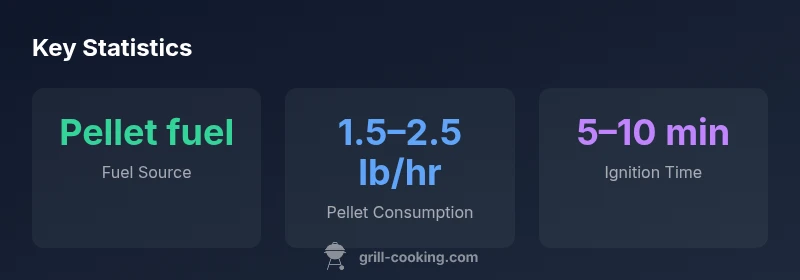
Do Traeger grills use propane? The short answer is no. Traeger’s flagship products are pellet grills that rely on hardwood pellets fed by an auger and lit by an electric ignition. There is no propane burner in standard Traeger models, and heat is controlled by a digital controller rather than a gas bottle. This fuel distinction shapes flavor, maintenance, and safety considerations for home cooks.
Do Traeger grills use propane? A clear answer for home cooks
Do Traeger grills use propane? The short answer is no. According to Grill Cooking, Traeger grills are designed as pellet grills that rely on hardwood pellets and electric ignition, not propane. This means no propane tank is required, and the fueling workflow is different from gas grills. If you show up at the grill with a propane bottle, you will be disappointed to find the hopper and auger active, not a direct flame from a propane burner. The setup includes a hopper, an auger, a fire pot, a fan, and a digital controller that modulates temperature by adjusting pellet feed and airflow. This fundamental design shapes how you cook: more command over smoke and moisture, often with a longer warm-up time but very consistent temperature control and smoke production. In practical terms, the fuel choice dictates workflow, maintenance cadence, and flavor outcomes for everyday cooks.
Context and nuance: Pellet grills use a hopper full of wood pellets. The grill’s auger delivers pellets to the burn pot, where they ignite. A fan circulates hot air and smoke across the cooking grate. Temperature control is achieved by the controller, which adjusts feed rate and fan speed to maintain a set target. Since the fuel is solid, the grill can maintain a steady heat for long periods with relatively minimal manual intervention, unlike propane grills that require regulator checks and tank management. The process enables low-and-slow cooking as well as controlled high-heat searing, depending on the model and setup.
How pellet grills work: from hopper to grate
Pellet grills are hybrid devices that combine an electronic control system with a fuel feed mechanism. Starting with the hopper, pellets are gravity-fed into the auger, which pushes them into a burn pot where they ignite. A fan then circulates hot air and smoke across the cooking grate. Temperature control is achieved by the controller, which adjusts feed rate and fan speed to maintain a set target. Because the fuel is a solid, heat can be steadier for long cooks, while the amount of smoke can be tuned by airflow and pellet type. This design gives home cooks a hands-off experience for hours, with the added benefit of a smoky flavor that’s difficult to replicate with direct gas flames. The trade-off can be longer startup times and the need to replenish pellets, but the overall experience remains convenient for weekly grilling and slow-smoking sessions.
In daily use, you’ll manage temperature through the controller rather than a flame knob. Low and slow smoking at 225–250°F is common, while high-heat searing around 450–500°F is achievable by adjusting airflow and pellet type. The result is a steady, forgiving cooking environment that prioritizes flavor development and moisture retention, making pellet grills a popular choice for backyard cooks who want dependable results with less hands-on attention than traditional charcoal or gas setups.
Why propane and pellet grills differ in heat and flavor
Propane grills offer near-instant heat, precise flame control, and quick heat-up to high temperatures. They excel at fast searing and high-heat cooking, especially when you want that crisp exterior. Pellet grills like Traeger, however, rely on wood-smoke from pellets and controlled auger feed to produce a distinct flavor profile that many home cooks describe as smoky and wood-forward. Temperature stability in pellet grills depends on the integration of the auger feed, fan, and digital controller, which can yield remarkably consistent results once the system is tuned. Flavor is influenced by pellet type (hickory, mesquite, apple, etc.), burn pot efficiency, and the way smoke infuses the meat. In short, propane offers speed and flame-driven control, while pellet grills deliver smoky complexity and steady heat over longer cook times. Real-world choice often comes down to flavor preference and how much hands-on involvement you want during cooking.
For home cooks, the decision hinges on whether you prioritize speed and direct heat (propane) or smoke flavor and long cooks (pellet grills). The Grill Cooking analysis indicates pellet-driven flavor profiles are consistently favored by those who enjoy low-and-slow or smoked barbecue. If your kitchen or backyard layout already centers around propane, you may benefit from a separate gas grill for quick weeknight cooks, while the pellet grill sits in its own niche for weekend smoking.
Safety and maintenance considerations when using pellet grills
Safety comes first with any outdoor cooking setup. Pellet grills operate outdoors due to smoke production, heat, and potential CO buildup, so proper airflow and ventilation are essential. Always follow the manufacturer’s instructions for fueling, ignition, and cleaning. Regular maintenance includes emptying ash from the burn pot, brushing the grates, and cleaning the hopper screen to prevent pellet jams. Check the auger, fans, and electrical connections for wear, and replace damaged components promptly. Dry, quality wood pellets from reputable sources minimize the risk of clogs and unwanted ash. Keep a fire extinguisher nearby and never leave the grill unattended during startup or high-heat searing. With routine maintenance, pellet grills maintain safety and performance over many grilling seasons.
In terms of risk awareness, outdoor setups still require normal precautions: avoid overloading the hopper, ensure proper clearance from structures, and keep children and pets away from hot surfaces. Pellet grills run cleanly when used as intended, but any fuel system benefits from routine inspection and careful handling of pellets, which differ in moisture content and burn characteristics from gas fuels.
Pellet grills vs propane grills: pros and cons for do-it-yourself cooks
Pros of pellet grills (like Traeger): convenient hands-off operation for long cooks, rich smoky flavor, consistent temperature control with an electronic system, and flexibility with pellet flavors. Cons: slower heat-up, reliance on pellet availability, and higher ongoing fuel costs compared with propane for high-heat quick cooking. Pros of propane grills: instant heat, precise flame control, quick setup, and strong searing performance. Cons: variable flavor without smoke devices, shorter cook times for smoky results, and more frequent regulator/tank management. For home cooks choosing between fuel types, the best option depends on cooking style: if you value flavor and set-it-and-forget-it performance, pellet grills excel; if you want fast weeknight meals with direct flame control, propane grills may suit you better. Grill Cooking’s analysis suggests many enthusiasts use a combination of both, leveraging each fuel’s strengths.
Practical tips for getting the most from a Traeger (ignition, temp, cleaning)
- Preheat with the lid closed to stabilize the target temperature before loading food. This minimizes smoking inconsistency and helps with even heat distribution.
- Use a temperature probe and set your target within the grill’s recommended range for the cut you’re cooking; avoid opening the lid too often, which can cause temperature swings.
- Choose pellet flavors to complement your meat or vegetables. A light fruitwood can boost sweetness, while oak or hickory adds depth for beef and pork.
- Regularly inspect the auger, hopper, and burn pot for pellet jams and ash buildup. Clean the burn pot and grates after heavy use, and replace worn parts as needed.
- Store pellets in a dry environment to prevent moisture absorption, which can hinder ignition and burn quality. Proper ventilation and dry storage help maintain performance over time.
Verifying fuel configuration and what to check on your unit
Before cooking, confirm your Traeger is set to pellet mode and that the hopper contains fresh, dry pellets. Inspect the auger for smooth operation, ensure the electric ignition functions, and check the temperature probe for accurate readings. If your model supports wireless connectivity, verify app settings for alerts and target temperatures. Always ensure the grill is grounded and that the power supply is stable. If you notice inconsistent temps, recalibrate the temperature sensor following the manufacturer’s guidelines. These checks help prevent common issues like temperature drift, pellet jams, and uneven heating, ensuring reliable performance across cooks.
Next steps and learning resources
If you’re new to pellet grilling, start with a basic recipe and a moderate temperature to understand heat control, smoke production, and timing. Read the user manual for your specific Traeger model, and explore reputable guides on fuel selection, smoke flavoring, and maintenance routines. Practice with different pellet flavors to identify your preferred balance between smoke intensity and meat character. Finally, consider joining a local grilling club or online community to share tips, troubleshooting experiences, and recipe ideas. A structured approach—practice, records of cook times, and a consistent cleaning routine—will accelerate your mastery of pellet grilling and improve your outcomes over time.
Pellet vs propane grills: key differences
| Fuel Source | Heat Control | Flavor Profile | Maintenance |
|---|---|---|---|
| pellet (wood) | Electronic controller + auger feed | Smoky, wood-forward flavor | Low ash; pellet handling |
| propane | Gas burners with flame control | Neutral to bold with direct heat | Tank management; regulator checks |
FAQ
Do Traeger grills use propane?
No. Traeger pellet grills use wood pellets and an electric ignition system. Propane tanks are not part of standard operation. Some accessories exist for different setups, but the core fuel remains wood pellets.
No, Traeger grills use wood pellets, not propane, in their standard operation.
Can I convert a Traeger to propane?
There is no official, supported propane conversion for Traeger pellet grills. Attempting to convert would bypass the design safeguards and could create safety risks. For propane grilling, use a dedicated gas grill.
There’s no supported propane conversion for Traeger pellet grills; use a gas grill for propane outdoor cooking.
What fuels do Traeger grills use?
Traeger grills use hardwood pellets as fuel, fed by an auger and controlled by an electronic system. They do not operate on propane, charcoal, or other liquid fuels in standard configurations.
They run on wood pellets with electric control.
Are propane grills faster to heat than Traeger pellets?
Yes. Propane grills typically heat up quickly due to direct flame exposure. Traeger pellet grills take longer to reach target temperatures because they must ignite pellets and build smoke, though they maintain stable temperatures once at target.
Propane heats up faster, while pellet grills take longer to reach temperature but stay steady.
Can Traeger grills produce the same smoky flavor as charcoal?
Traeger grills can produce strong smoky flavors through chosen pellet woods and longer smoking times, which many users prefer. Charcoal provides a different, often deeper, flavor profile that some cooks still prize.
Traeger can give good smoke, but charcoal has its own distinct flavor.
What maintenance is essential for pellet grills?
Regularly clean the grates, empty ash, check the burn pot, and keep the hopper free of obstructions. Use dry pellets and inspect the auger and fans for wear. Routine maintenance keeps temps stable and extends the grill’s life.
Clean the grates, empty ash, and check the auger and fans often.
“Pellet grills like Traeger deliver consistent heat and a distinct wood-fired flavor that’s hard to match with propane. The real distinction is recognizing the fuel system and airflow controls that govern temperature stability.”
Quick Summary
- Traeger grills do not use propane; they run on wood pellets.
- Pellet grills rely on electric ignition and a controlled auger feed.
- Propane grills offer instant heat but different flavor profiles.
- Maintenance differs: pellet grills require pellet handling and ash management.
- Choose fuel type based on flavor goals and cooking style.