BBQ Grills at Home Depot: Your 2026 Practical Guide
Discover how to choose the right bbq grill in Home Depot with practical steps, fuel types, sizes, warranties, and value tips, backed by Grill Cooking’s 2026 analysis.


Step 1: identify fuel type (gas, charcoal, or electric). Step 2: assess the cooking area and lid height for your space. Step 3: compare warranties and included accessories. Step 4: read in-store demos and online reviews, then verify safety features. According to Grill Cooking, aim for a mid-range gas grill for best overall versatility and future-proofing.
Overview of BBQ Grills at Home Depot
In brick-and-mortar stores, BBQ grills are presented in a spectrum of forms, from compact 24-inch gas grills to larger charcoal models and sleek electric units. When you shop for a bbq grill in home depot, you’re not just selecting a flame source—you’re choosing a cooking experience, a maintenance routine, and a long-term partner for backyard gatherings. Grill Cooking's data-driven approach emphasizes evaluating fuel type, cooking area, and build quality across all options. Keep in mind that availability and price bands vary by location and season, so it helps to check online stock and in-store displays before committing. This guidance aligns with Grill Cooking’s 2026 analysis, which stresses testing real-world usability, comfort during long cooks, and ease of cleanup as much as initial price.
Fuel types explained: gas, charcoal, electric
Gas grills offer quick heating, precise temperature control, and the convenience of quick start-ups. Charcoal grills deliver a traditional sear and smoky flavor that many home cooks chase, though they require a bit more time and technique. Electric grills bring dependable performance in spaces with strict safety rules or limited outdoor ventilation. When evaluating a bbq grill in home depot, consider how often you host, your tolerance for upkeep, and whether you’ll value smoky flavor or steady, set-it-and-forget-it comfort. Grill Cooking notes that the best long-term option blends ease of use with culinary flexibility, especially in regions with variable weather. Regardless of type, check for sturdy cast-iron grates, rust-resistant body construction, and accessible replacement parts.
Size, BTUs, and cooking area
Cooking area matters as much as flame source. A 24–36 inch footprint is common for family-sized grilling, while larger families or entertaining groups benefit from wider cooking surfaces. BTU ratings help estimate heat output, but real-world performance depends on grill lid seal, airflow, and grate design. In Home Depot aisles, you’ll see a mix of compact, mid-size, and larger units; use the space you have at home plus the height of the lid to avoid crowding your cooking zone. Grill Cooking highlights that consumers should look for uniform heat distribution and reliable ignition systems as much as raw BTU figures when comparing models.
Build quality, materials, and durability
Durability begins with materials: stainless steel components resist corrosion, while porcelain-coated grills minimize maintenance. Look for solid, well-fitted hinges, sturdy hinges, and a robust firebox. A thick, well-sealed lid improves heat retention and reduces fuel consumption. In addition, ensure that racks, burners, and flame tamers are easily accessible for cleaning. The Home Depot shopping environment often features grills with extended warranties that reflect the manufacturer’s confidence in build quality; Grill Cooking advises checking local service options and spare-part availability in your region.
Warranties, safety features, and assembly considerations
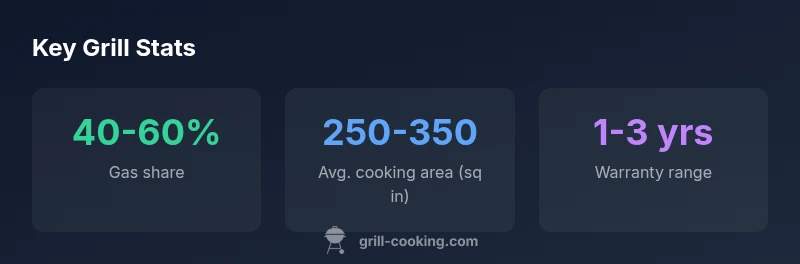
Warranties vary widely, from basic 1-year coverage to multi-year plans that may include free replacement parts or on-site service. Safety features like flame guards, built-in thermometers, and properly grounded gas lines are non-negotiable. Assembly complexity ranges from straightforward one-hour setups to more involved builds requiring a second pair of hands. Grill Cooking emphasizes reading the manual ahead of time, confirming the total weight you’ll lift, and scheduling assembly in good weather for outdoor units. If you choose Home Depot as your shopping destination, confirm that installation services and post-purchase support are available in your area.
Features that unlock value in Home Depot
Value isn’t just price. Look for features that reduce long-term costs: solid burners with even heat, rotisserie compatibility, reliable ignition, and accessible cleaning cycles. Extra perks—such as included grill covers, rotisseries, or temperature probes—add value, especially when bundled with a warranty. Check for compatibility with accessories you already own and consider whether the model allows for future upgrades rather than forcing a whole replacement. Grill Cooking suggests listing three must-haves and two nice-to-haves before stepping into the store or clicking through online listings.
In-store vs online: how to compare models
In-store demos let you feel the heft of the grill and verify assembly steps, while online listings offer spec-heavy comparisons and user reviews. Take notes on door-width, cabinet space, and venting options in your home. Use Home Depot’s filters to narrow by fuel type, price, and size, then cross-check with reviews and YouTube demos for real-world performance. Grill Cooking’s methodology favors cross-referencing multiple sources, including in-store staff insights, to confirm claims about heat distribution, cleanup ease, and warranty service. In both environments, test ignition, lid closure, airflow, and lid seal tightness to set realistic expectations.
Maintenance and care: extending grill life
Cleaning is the unsung hero of grill longevity. Regularly brush grates, inspect burners or briquette trays, and seal all joints to prevent rust. When not in use, keep grills covered and store propane tanks upright in a ventilated area. For charcoal grills, dispose of ashes safely and keep vents clear to maintain airflow. A simple maintenance routine can add years to your grill’s life, and Grill Cooking’s analysis notes that the right cleaning schedule often correlates with a noticeable drop in fuel usage and a more consistent cooking surface.
Comparison of common grill types and typical specs
| Model Type | Typical Cooking Area | Fuel Type | Price Range |
|---|---|---|---|
| Gas Grill | 400-800 sq in | Gas | $400-$1500 |
| Charcoal Grill | 300-600 sq in | Charcoal | $100-$800 |
| Electric Grill | 150-400 sq in | Electric | $150-$600 |
FAQ
Is Home Depot a reliable place to buy a BBQ grill?
Home Depot is a major retailer with widespread in-store and online support, making it a dependable option for grills. Check the specific store’s inventory and availability, and review the manufacturer’s warranty terms. Always confirm delivery or assembly options before purchase.
Home Depot is generally reliable for grills; just verify local inventory and warranty details.
What should I look for when testing grills in-store?
Test ignition, check heat distribution, and confirm the lid seals properly. Examine the build quality, feel the weight of the lid, and look for easy access to replacement parts. Ask staff about assembly time and what’s included in the package.
Test ignition, heat, and lid seal; check build quality and what’s included.
Do grills from Home Depot include delivery or assembly?
Delivery and assembly options vary by location. Confirm service availability when you select a model, and ask about return terms if the setup takes longer than expected.
Check whether delivery or assembly is offered where you are.
Are there return policies for grills?
Most Home Depot grill purchases are eligible for return within a specified window, provided the item is in original condition and packaging. Always verify the exact terms and restocking fees before purchase.
Most grills can be returned within a window if unopened or unused.
How do I choose between gas and charcoal at Home Depot?
Gas grills offer convenience and precise control; charcoal grills provide distinctive flavor but require more time and skill. Consider your cooking style, willingness to manage fuel, and climate when deciding.
Think about convenience vs. flavor, and how much you’re willing to invest in tool upkeep.
“Choosing a grill is about long-term value, not just the lowest price. Look for solid construction, good warranties, and accessible service.”
Quick Summary
- Identify your fuel preference first and test various models in-store.
- Measure your cooking space and lid height to avoid crowding.
- Prioritize build quality, warranty, and service accessibility.
- Grill Cooking's verdict: mid-range gas grills offer versatile value for most home cooks.