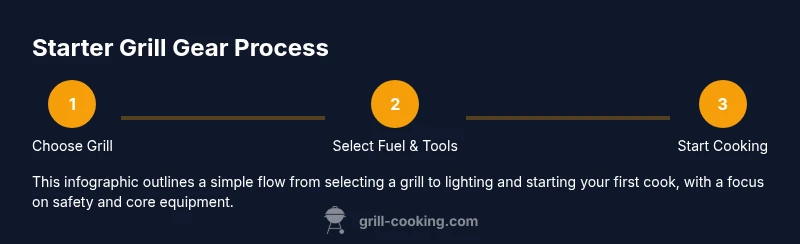
What to Get to Grill: The Complete Starter Kit for Beginners
Learn exactly which gear, tools, and safety items you need to start grilling confidently. This beginner-friendly guide from Grill Cooking outlines a practical shopping list, budget tips, and upgrade path for home cooks and grill enthusiasts.


Today you’ll learn exactly what to get to grill, from a reliable starter grill setup to essential tools, fuels, and safety gear. This guide breaks the purchases into practical, beginner-friendly steps and reveals budget-friendly options that still deliver great results. By the end, you’ll have a concrete shopping list you can trust.
What to Get to Grill: A Starter Framework\n\nIf you're asking what to get to grill, start with a versatile base and a compact starter kit that fits your space. The right combination minimizes decision fatigue and delivers dependable results. In this guide, we break gear into five practical categories—grill and fuel, essential tools, safety gear, basic maintenance items, and optional upgrades—so you can shop with confidence. According to Grill Cooking, a well-chosen starter set reduces surprises and helps you build confidence quickly, whether you’re cooking burgers on a gas grill or veggies over charcoal. This approach keeps you focused on technique, not inventory, and makes it easy to scale up as you grill more often.
Grills: Choosing the Right Base for Your Grilling\n\nThe foundation of any grill routine is the right grill itself. Start by selecting fuel type (charcoal, gas, or hybrid) that matches your preferred style and space. Charcoal tends to deliver deeper flavor and high-heat searing, while gas offers convenience and consistent heat with faster preheating. Look for sturdy construction, reliable heat control, and even airflow. Think about lid tightness, ease of cleanup, and a manageable size for storage. You don’t need a top‑of‑the‑line model to begin; a dependable mid‑range grill with a solid warranty will serve most weekends and weeknight cookouts well. By focusing on core features rather than brand hype, you can pinpoint a grill that fits both your cooking style and your budget. This choice sets the tone for how easy and enjoyable your first grilling season will be.
Fuels and Heat Management: Charcoal vs. Gas\n\nYour fuel choice drives flavor, heat, and control. Charcoal grills offer great searing and that classic smoky note, but they require time and attention to manage air flow. Gas grills light quickly, maintain steady temps, and simplify longer cooks. Regardless of fuel, invest in good airflow control (vents or burner adjustments) and a heat management plan that includes zones for direct and indirect heat. When you plan a meal, designate a hot zone for searing and a cooler zone for finishing or holding. A practical starter setup uses both direct and indirect heat concepts—start hotter to seal, then move to indirect heat to finish without burning.
Essential Tools: Hands-on Gear for Great Grilling\n\nPut together a core toolkit that covers safety, turning, measuring, and cleaning. At minimum you’ll want long-handled tongs, a wide spatula with a serrated edge, a digital instant-read thermometer, and a sturdy grill brush for grate maintenance. Add heat-resistant gloves for handling hot grates and a sturdy grill fork or skewer. While you can improvise, durability matters: choose stainless steel or high‑quality materials that resist heat and wear. Have a simple oil spray or brush to prevent sticking, and carry a small flashlight or headlamp for nighttime cooks. A basic storage tote or drawer helps keep everything organized between sessions.
Safety and Maintenance: Keep It Safe and Clean\n\nSafety starts with a stable cooking area, clear surroundings, and proper storage. Always read the grill’s manual and follow manufacturer recommendations for ventilation and fuel handling. Use heat-resistant gloves, keep a fire extinguisher or baking soda on hand for small flare-ups, and never leave a lit grill unattended. After cooking, brush the grates while warm, wipe surfaces, and perform a deeper clean periodically to prevent buildup. Proper maintenance extends the life of your grill and reduces the chance of accidents. Think about a simple routine: pre-clean, light maintenance after every cook, and a thorough monthly check when you’re in peak grilling season.
Budget-Friendly Shopping and Upgrade Paths\n\nGood gear doesn’t have to break the bank. Start with a solid starter kit that includes a reliable grill, basic tools, a thermometer, and a safety plan. Budgeting advice from Grill Cooking Analysis, 2026 suggests allocating funds to the essentials first, with room to add accessories as you grow more confident. Look for value packs that bundle a grill brush, tongs, and a thermometer with a protective cover. Compare fuel types, warranty terms, and local service options. As you grill more, you can upgrade select pieces—perhaps a better thermometer, a dedicated heat-proof mat, or a cast‑iron griddle—to expand your repertoire without a full hardware overhaul. The goal is steady progress, not instant perfection, so build gradually and test new gear with real meals.
Tools & Materials
- Grill (charcoal or gas)(Choose a fuel type you’ll use regularly and a size that fits your space.)
- Long-handled tongs(12+ inches; sturdy steel with a locking mechanism.)
- Spatula with serrated edge(Wide blade; durable handle for flipping and slicing.)
- Instant-read thermometer(Digital probe for quick, accurate doneness checks.)
- Heat-resistant gloves(Protect hands from high heat during flips and repositioning.)
- Grill brush(Stiff bristles or safe alternative for grate cleaning.)
- Oil spray bottle or brush(Lightly oil grates to prevent sticking.)
- Chimney starter (for charcoal)(Speeds lighting and promotes even burn.)
- Charcoal bags or gas cylinder(Fuel source compatible with your grill.)
- Drip pan or heavy-duty foil(Catch drippings and simplify cleanup.)
Steps
Estimated time: 60-90 minutes
- 1
Unbox and Inspect the Grill
Unpack all parts and check for missing pieces. Inspect vents, wheels, and lid seals. Confirm you have the basic components required to assemble and operate the grill.
Tip: Take a moment to read the manual and verify that all parts are present. - 2
Set Up a Safe Cooking Zone
Choose a stable, level surface away from flammable items. Clear the area around the grill and ensure adequate ventilation. Place the grill on a non-slip mat if needed.
Tip: Keep a clear radius of at least three feet around the grill. - 3
Gather Your Core Tools
Arrange tongs, spatula, thermometer, brush, and gloves within easy reach. Have oil or spray close by for anti-stick prep. Verify you have a suitable fuel source and a lighter or igniter as needed.
Tip: Organize tools on a tray or in a dedicated drawer for quick access. - 4
Light the Grill According to Fuel Type
For charcoal, use a chimney starter to light coals and let them ash over before spreading. For gas, open the lid, turn on burners, and light with the ignition. Allow the grill to reach a safe preheat temperature.
Tip: Never light charcoal in enclosed spaces and never leave a lit grill unattended. - 5
Preheat and Season the Grates
Let the grill heat up with the lid closed for a few minutes to sterilize and stabilize temperature. Brush or oil the grates lightly to prevent sticking before first use.
Tip: Preheating helps seal in juices and improves searing. - 6
Oil Grates and Begin Direct-Heat Cooking
Apply a light layer of oil and place items over direct heat to sear. Monitor and flip as needed to develop color without burning.
Tip: Keep foods moving to avoid hot spots and sticking. - 7
Monitor Temperature and Doneness
Use a thermometer to check internal temps for safety and desired doneness. Move foods to indirect heat as needed to finish cooking without scorching.
Tip: Estimate cooking times based on thickness rather than guesswork. - 8
Clean, Store, and Plan Next Cook
After cooking, brush grates while warm, wipe surfaces, and store tools in a dry place. Reflect on what worked and note any gear upgrades for future sessions.
Tip: Clean as you go to keep the grill ready for next session.
FAQ
What is the minimum gear I need to start grilling?
At minimum, you need a grill, fuel, long-handled tongs, a spatula, a thermometer, and heat-resistant gloves. Add a grill brush for cleaning and a simple oil for seasoning. You can start with a small kit and expand as you gain confidence.
You mainly need a grill, fuel, basic tools, and safety gear to begin; you can add more as you go.
Charcoal or gas: which should a beginner choose?
Both work well for beginners. Charcoal offers flavor and ritual but takes more time; gas is easier and faster. Choose based on your patience, space, and how hands-on you want to be.
Charcoal flavors food but gas grills are easier for beginners.
Do I really need a thermometer?
A thermometer helps ensure meat is safe and cooked evenly, reducing guesswork. It also helps with thicker cuts and burgers. A basic digital thermometer is enough to start.
Yes, a thermometer makes grilling predictable.
What safety gear matters most?
Heat-resistant gloves and a accessible fire extinguisher or baking soda on hand are essential. Keep a safe distance from flammable items and never leave flames unattended.
Protect yourself with gloves and have a plan for flare-ups.
How often should I clean the grill?
Brush the grates after each cook to prevent buildup. Do a deeper clean monthly during peak season to maintain performance and flavor. Consistency beats occasional deep cleans.
Brush after every cook and do a deeper clean monthly.
Watch Video
Quick Summary
- Define your grill style and space before buying
- Prioritize a dependable grill and core tools
- Learn direct vs indirect heat for flexible cooking
- Maintain safety with gloves and a brush
- Upgrade gradually as you grill more often