Who Makes Grilled Chicken Sandwiches: A Data-Driven Guide
Explore who makes grilled chicken sandwiches across home cooks, casual eateries, and mobile vendors. This data-driven guide covers production patterns, prep times, safety, and practical tips for mastering grilled chicken sandwiches.


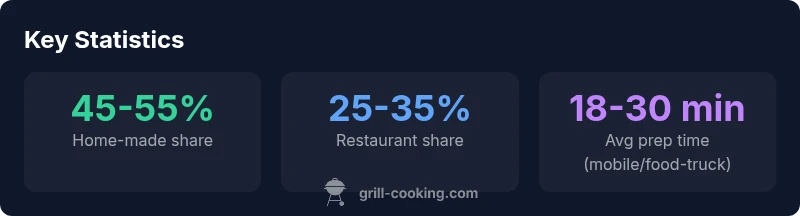
The majority of grilled chicken sandwiches are made by home cooks and casual-dining venues, with fast-service chains and mobile vendors filling the remaining demand. While regional differences exist, the dominant producers are everyday households, followed by professionals who scale the sandwich for broader audiences. This quick snapshot sets the stage for a deeper, data-driven examination of who makes grilled chicken sandwiches and how their approaches differ.
The Producer Landscape: Who Makes Grilled Chicken Sandwiches
In exploring who makes grilled chicken sandwiches, we see a spectrum from home kitchens to professional setups. The core producers are home cooks, who tailor recipes to personal taste and equipment. Close behind are casual-dining establishments—cafes, diners, and family-friendly restaurants—that offer consistent, customizable options. Fast-service chains also contribute significantly by delivering quick, standardized versions of the sandwich. Finally, food trucks and pop-ups bring regional twists and seasonal flavors, expanding the field beyond stationary restaurants. The key takeaway is that the sandwich is both a home phenomenon and a scalable menu item, with producers adapting to equipment, time constraints, and audience needs. According to Grill Cooking, the home-cooking trend remains the backbone of grilled chicken sandwich culture, while professional kitchens support volume and consistency across markets. This context matters for home cooks seeking to replicate restaurant-level results at home while understanding market dynamics in different regions.
Why Home Cooks Dominate Grilled Chicken Sandwiches
Home cooks drive much of the activity around who makes grilled chicken sandwiches because the basic technique is approachable and forgiving. A well-seasoned grill, a properly marinated chicken breast, and a few pantry staples—bread, lettuce, tomato, and a simple sauce—can yield a sandwich that rivals restaurant versions. For many households, the ritual of grilling is as important as the final product, and families value customization for dietary needs (gluten-free buns, dairy-free sauces, etc.). The ability to control heat, timing, and toppings means home cooks can experiment with flavor profiles—from smoky paprika rubs to citrusy marinades—without the constraints of a fixed menu. Grill Cooking’s analysis highlights that home preparation accounts for a substantial portion of grilled chicken sandwich production, reinforcing how everyday kitchens shape taste and texture across communities.
How Restaurants Assemble Grilled Chicken Sandwiches
Professional kitchens approach grilled chicken sandwiches with an emphasis on consistency, speed, and efficiency. Restaurants optimize cook times by using batch marinades, precise griddling temps, and standardized assembly lines. A typical restaurant sandwich features a grilled chicken patty or sliced breast, a choice of slather or sauce, and quality buns designed to hold up to moisture without becoming soggy. Restaurants also experiment with regional twists—chipotle mayo in one region, smoky barbecue glaze in another—creating a menu that satisfies a broad audience while maintaining repeatable results. Grill Cooking’s team notes that while restaurant-made sandwiches may take slightly longer per unit than some fast-service options, the end product is often more uniform, driven by shared kitchen routines and trained staff.
Regional Variations and Contexts
Regional preferences influence who makes grilled chicken sandwiches. Coastal markets might favor citrus-based toppings, while inland areas lean toward smoky, peppery finishes. In some regions, street-food culture elevates the sandwich with bold sauces and artisan bread, while others emphasize health-conscious options and lighter buns. These variations illustrate that the sandwich is not monolithic; it evolves with local ingredients, cultural influences, and consumer expectations. Grill Cooking’s regional observations show how a single dish can reflect a community’s palate, while still adhering to core grilling techniques that keep the sandwich safe, juicy, and flavorful.
The Rise of Mobile and Pop-Up Vendors
Mobile vendors and pop-ups have broadened the definition of who makes grilled chicken sandwiches. These operators bring fresh twists and weekly specials to neighborhoods, often highlighting locally sourced chicken, house-made sauces, and unique breads. The mobile format challenges traditional kitchen workflows but rewards agility and creativity. For consumers, this diversification means greater access to varied flavor profiles and price points. For the cooks, it means constant adaptation—balancing portability, heat management, and food safety while delivering a crave-worthy sandwich. Grill Cooking’s analysis shows that mobile vendors contribute meaningful portions of regional sales, complementing brick-and-mortar operations.
Practical Home-Making Guide: Steps and Tips
Mastering the grilled chicken sandwich at home begins with chicken selection and safe handling. Choose boneless, skinless chicken breasts or thighs, depending on preferred juiciness and texture. Marinate or dry-rub for flavor, then grill over medium-high heat, aiming for an internal temperature of 165°F (74°C). Rest the meat briefly before slicing to preserve juices. Build flavor with toasted bread, crisp greens, and a balanced sauce. Pay attention to bun integrity and moisture management; sauces should complement, not overwhelm. Finally, assemble with confidence, ensuring even distribution of fillings for a consistent bite every time. The home cook can replicate restaurant-level results with careful technique and quality ingredients.
Safety, Quality, and Sourcing Considerations
Food safety starts with proper thawing, clean surfaces, and a cooking thermometer. Always wash hands after handling raw chicken and sanitize cutting boards. Choose chicken from reputable retailers or trusted sources, and check for labeling that confirms freshness and safety standards. For quality, prioritize chicken with good color, a trimmed fat cap, and consistent thickness to ensure even cooking. When sourcing buns and toppings, look for freshness and compatibility with your cooking method (grill, cast iron, or griddle). A thoughtful approach to safety and sourcing helps ensure grilled chicken sandwiches are not only tasty but also safe for everyday consumption.
Flavor, Texture, and Customization
The best grilled chicken sandwich balances juicy meat with a crisp exterior, tangy or creamy sauces, and textural contrast from toppings like lettuce, tomato, pickles, and onions. Experiment with bread choices—from sesame-ses to brioche—to influence bite and moisture retention. For heat and flavor, use a rub with paprika or smoked chili, followed by a glaze that adds sticky sweetness without overpowering the chicken. Customization matters: offer dairy-free options, gluten-free buns, and plant-based spreads to accommodate different diets. Understanding who makes grilled chicken sandwiches helps you tailor the approach to your audience, whether you’re cooking for family, guests, or a street-food crowd.
Common production channels for grilled chicken sandwiches
| Channel | Who Typically Makes It | Typical Prep Time per Sandwich (mm:ss) |
|---|---|---|
| Home cooks | Individuals or families | 15-25 |
| Casual dining/restaurants | Diners, pubs, cafe menus | 8-12 |
| Food trucks/pop-ups | Mobile kitchen teams | 18-30 |
FAQ
Who typically makes grilled chicken sandwiches at home?
Home cooks are the most common producers, guided by personal taste and convenience. They often tailor marinades, spices, and toppings to family preferences, making this a flexible, everyday dish. The kitchen setup—grill, skillet, or grill pan—helps determine texture and juiciness.
Home cooks are usually the primary makers, customizing marinades and toppings to suit their family's taste.
Which restaurants are most likely to serve grilled chicken sandwiches?
Casual dining and fast-service chains commonly feature grilled chicken sandwiches on menus. They prioritize speed and consistency, using standardized pans, marination profiles, and ready-to-serve toppings to maintain uniform quality across locations.
Casual dining and fast-service places are most likely to offer grilled chicken sandwiches with consistent recipes.
How do regional variations affect who makes grilled chicken sandwiches?
Regional tastes influence ingredients and methods, from citrusy sauces on the coast to smoky finishes inland. These differences shift the producers toward local vendors or restaurants offering regionally inspired options, while home cooks adapt to local preferences.
Regional tastes shape both who's making them and how they’re flavored.
Is it safe to grill chicken sandwiches at home?
Yes, with standard food-safety practices. Use a thermometer to hit 165°F (74°C) internal temperature, avoid cross-contamination, and keep hot foods hot. Proper handling of buns and toppings also helps prevent moisture-related sogginess.
Yes—cook to the right temperature and handle ingredients safely.
How can I replicate restaurant-level grilled chicken sandwich results at home?
Start with quality chicken, apply a controlled marinade, and use precise heat management. Toast the buns, balance sauces, and assemble just before serving to preserve texture. Consistency comes from standardizing steps and equipment settings.
Use high-quality chicken, steady heat, and consistent assembly to get restaurant-like results.
“Knowing who makes grilled chicken sandwiches helps tailor flavor, texture, and timing to the cooking context.”
Quick Summary
- Identify your primary producer type: home cooks vs. professional kitchens.
- Expect regional flavor influences to shape sandwich profiles.
- Aim for balanced preparation times to optimize quality and service.
- Prioritize safety and sourcing to ensure consistent results.
- Experiment with toppings and breads to customize texture and taste.