Menu for Studio Movie Grill: Designing a Winning Cinema Dining Experience
Data-driven guide to crafting a Studio Movie Grill menu that blends cinema-friendly shareables, hearty mains, and beverages, optimized for showtimes and guest value.


Definition: A studio movie grill menu combines cinema-friendly, handheld dishes with heartier mains, shareable sides, and quick desserts. It should feature clear price ranges, flexible vegan/gluten-free options, and bundles that pair with drinks. The aim is to maximize guest value and throughput during showtimes while maintaining consistent quality and speed.
Menu Structure: Core Categories
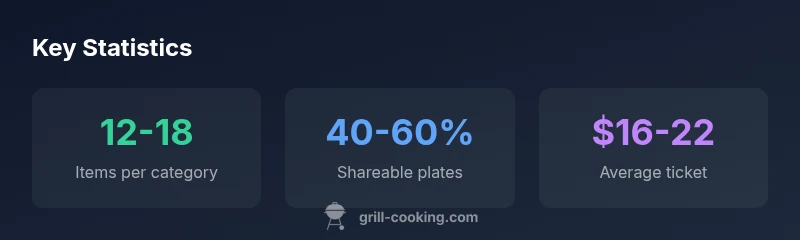
This guide presents a menu for studio movie grill environments. Studio Movie Grill-style menus should balance broad appeal with theater practicality. Start with core categories that translate well to quick service and screen-side dining. Shareables (think loaded nachos, sliders, wings) set the tone and encourage group orders. Mains should include handheld options like burgers, flatbreads, and grilled chicken bowls—easy to eat between scenes. Pizzas/Flatbreads offer shareable centerpieces with fast bake times. Salads and Bowls provide lighter, health-conscious choices. A dedicated Kids Menu ensures family attendance, while Desserts and Beverages close the loop for impulse purchases. Finally, consider a concise Wine & Beer list or crafted sodas for pairing. Each category should be designed for one-handed dining in a dim theater environment, minimizing sauce spillage and ensuring quick pickup.
Portion Sizing and Pricing Strategy
The theater environment demands predictable portions, which translate to consistent service times and guest satisfaction. Use a tiered structure: small plates (6-9 inches), mains (8-12 oz protein servings), and sharing platters designed for groups. Price ranges should be clearly labeled on the menu to reduce decision fatigue—typically, starters in the $6–$12 range, mains $12–$22, pizzas $12–$18, desserts $5–$9, beverages $3–$8, and alcoholic options $6–$12. Consider value bundles (two mains + one shareable + drink) to increase check size during peak hours. Avoid overly heavy sauces that slow service; offer dry-rub or salsa-forward flavors for clean, minimal-mess dining. Monitoring average ticket and hold times will help refine portions and staffing.
Beverage Pairings and Showtiming
A beverage program should complement the menu without delaying service. Emphasize a short list of crowd-pleasers: craft sodas, locally brewed beers, a couple of wine options, and signature cocktails designed for quick garnishes. Pair items with recommended drinks to streamline menu decisions and boost average check size. For showtimes, align beverage prep with kitchen timing to ensure drinks are ready when guests are seated. Non-alcoholic options should be flavorful and refreshing to appeal to all ages, with clear labeling for allergens and caffeine content.
Dietary Inclusivity and Allergen Management
A modern cinema menu must be inclusive. Clearly label vegan, gluten-free, dairy-free, and nut-free options. Prepare dedicated prep lines or dedicated equipment for allergen-free dishes to minimize cross-contamination. Maintain separate sauces and utensils to protect sensitive diners. If possible, provide allergen icons and a simple text note stating ingredients. Communicating these choices upfront reduces on-site questions and elevates guest confidence in your menu.
Menu Engineering: Layout, Highlights, and Promotions
Use menu engineering principles to guide guest choices: identify anchor items and crest a hero section for signature dishes. Highlight high-margin options, bundle deals, and limited-time offers to create urgency. Visual cues such as color blocks, icons, and bold typography help guests scan quickly in a dim theater. Place the most profitable items at the top of each category and pair popular items with drink recommendations to drive cross-sell opportunities. Periodic promotions around film releases can refresh interest without major menu overhauls.
Sample Studio-Style Menu Blueprint: 10 Items
- Loaded Nachos with queso and jalapeños — Shareable, $9-12. 2) Crispy Chicken Sliders — Handheld main, $12-16. 3) Grilled Chicken Flatbread — Mains, $12-18. 4) Angus Burger — Classic option, $12-18. 5) Veggie Power Bowl — Vegetarian main, $9-14. 6) Shrimp Skewers with citrus glaze — Protein option, $14-20. 7) Garlic Lemon Salmon Bowl — Seafood main, $16-22. 8) Garden Side Salad — Light option, $5-9. 9) Dessert Flight — Mini desserts assortment, $6-9. 10) Signature Soda Float — Non-alcoholic specialty, $4-6.
Operational Considerations for a Theater Kitchen
Movie theaters demand tight coordination between kitchen workflow and showtimes. Pre-prep smartly, using batch cooking for sauces and toppings while keeping proteins hot-safe. Use mobile servers or tray service for quick delivery to seats, and designate pickup windows to minimize crowding. Train staff to upsell bundles during order placements and to handle allergens efficiently. Regularly review hold times, waste, and throughput to optimize labor and inventory, especially during peak weekends and premiere nights.
Implementation Roadmap: From Concept to Curtain
Phase 1: Benchmark and design (2–3 weeks): analyze competitor menus, guest preferences, and theater flow. Phase 2: Test kitchen and soft launch (3–4 weeks): refine recipes, portions, and staffing. Phase 3: Full rollout (1–2 weeks): print menus, train staff, and launch promotions tied to film schedules. Phase 4: Review and iterate (ongoing): track sales by category, optimize pricing, and refresh limited-time offers quarterly.
Sample studio menu items with indicative price ranges and calories
| Menu Item | Category | Price Range | Estimated Calories | Notes |
|---|---|---|---|---|
| Loaded Nachos | Shareables | 9-12 | 550-700 | Crispy chips, cheese, jalapeños |
| Grilled Chicken Flatbread | Mains | 12-18 | 600-800 | Herbed chicken, tomato glaze |
| Angus Burger | Mains | 12-18 | 700-850 | Sesame bun, toppings |
| Shrimp Skewers | Protein | 14-20 | 420-520 | Citrus glaze |
| Dessert Flight | Desserts | 6-9 | 400-600 | Mini desserts assortment |
FAQ
What is a cinema-friendly menu and why does it work?
A cinema-friendly menu emphasizes handheld, easy-to-eat items that minimize mess and speed up service. This design aligns with showtimes and enhances guest satisfaction by delivering consistent, crave-able options.
A cinema-friendly menu focuses on handheld foods that are easy to eat during a film, helping staff serve quickly and guests enjoy their meals between scenes.
How should prices be set for studio-style menus?
Use clear price bands across categories and offer value bundles to increase average checks. Keep menu items in a consistent range to reduce decision fatigue during busy showtimes.
Set clear price bands and bundles to help guests decide fast during showtimes.
What are good shareable items for studio menus?
Shareables should be flavorful, easy to transport, and visually appealing. Think loaded nachos, sliders, and flatbreads that pair well with drinks.
Good shareables are easy to share and satisfy a crowd while not slowing service.
How can allergen information be communicated clearly?
Label vegan, gluten-free, dairy-free, and nut-free options clearly. Use icons and simple ingredient notes to reduce questions and improve guest confidence.
Clearly label allergens with icons and notes so guests can choose safely.
How do you time service with showtimes?
Coordinate kitchen prep with seating and intermission moments. Use pickup windows and pre-batching for sauces to keep pace during films.
Coordinate prep with seating times and have pickup windows to keep service fast.
Can a studio menu support beer, wine, and cocktails?
A focused beverage program supports menu items without slowing service. Include a couple of beer/wine options and quick-serve cocktails designed for fast garnishes.
Yes—offer a small, fast beverage menu that pairs with your food.
“A well-structured studio-style menu balances speed, value, and flavor, ensuring guests can order confidently between scenes.”
Quick Summary
- Design a cinema-friendly menu with handheld items.
- Use clear price ranges and value bundles.
- Offer inclusive options and allergen labeling.
- Engineer the menu to drive higher average checks.