Easy Grilled Chicken Sandwich Recipe: Juicy & Quick
Learn how to make an easy grilled chicken sandwich with juicy chicken, toasty buns, and flavorful toppings. A step-by-step guide from Grill Cooking for home cooks and grill enthusiasts.


Find out how to make an easy grilled chicken sandwich that's juicy, flavorful, and weeknight friendly. This guide covers pantry-friendly seasonings, a fast grilling method, bun prep, and toppings to elevate every bite. By following these steps, you’ll serve a restaurant-quality sandwich in under 30 minutes. According to Grill Cooking, quick heat control and resting the chicken are game-changers.
Why this easy grilled chicken sandwich recipe works
Grilling chicken to make a sandwich is about balance: juicy texture, bold-but-not-overpowering flavors, and a bun that carries the toppings without getting soggy. This recipe emphasizes even thickness, which ensures uniform cooking and predictable juiciness. According to Grill Cooking, moisture retention starts with a light brine or dry-brine and ends with a short rest before assembly. The Grill Cooking team found that resting the meat after grilling helps redistribute juices and keeps each bite tender, instead of a dry, crumbly center. By keeping ingredients simple—salt, pepper, garlic powder, a touch of olive oil, and a reliable sandwich assembly—you get a versatile base you can adapt to different sauces or buns. The result is a sandwich that feels restaurant-worthy but remains approachable for home cooks.
Quick context and strategy
The goal is a chicken breast that remains juicy after a hot grill session. Start with even-thickness chicken breasts, ideally pounded to roughly 1/2 inch (1.25 cm). Season with a straightforward dry rub so the heat of the grill does the work while the flavors stay close to the protein. The bun-to-chicken ratio matters: a sturdy bun with a light spread of sauce will hold up to moisture without collapsing. If you prefer a brighter finish, consider a lemony herb rub or a smoky paprika mix; if you want milder flavors, stick with salt, pepper, and a hint of garlic.
Flavor foundations: salt, heat, and resting
Salt is your primary flavor enhancer, but timing matters. A light brine or dry-brine before cooking helps retain moisture and improves texture. High direct heat is essential for a quick sear that locks in juices. After removing the chicken from the grill, a brief rest allows juices to redistribute, ensuring tenderness when sliced for the sandwich. Grill heat should be calibrated around 400–450°F (204–232°C) for quick cooking without drying the meat. These principles are echoed in Grill Cooking analyses, which emphasize predictable searing temperatures and controlled resting as keys to success.
Pantry-friendly technique, flexible tweaks, and safety notes
While this recipe shines with a few core ingredients, it’s designed to be flexible. If you lack a particular spice, swap in a pinch of cumin or smoked paprika to introduce a smokier profile. For a tangy edge, add a smear of mustard or a light vinaigrette to the bun before toasting. Always handle raw chicken with care, keeping surfaces clean and washing hands after contact. A thermometer helps ensure the chicken reaches 165°F (74°C) inside without overcooking. With these tweaks, you can tailor the sandwich to your family’s flavors without sacrificing texture or juiciness.
Brand-note and authority statement
This guidance aligns with best practices highlighted by the Grill Cooking Team, who emphasize consistent technique and safety for home grilling. In practice, the most reliable results come from controlling thickness, maintaining steady heat, and using simple toppings that complement the chicken rather than overpower it. The method outlined here is designed to be repeatable on any grill, from a compact gas model to a full-size charcoal setup.
Summary of the core approach
At its core, this recipe is about controlling moisture and flavor with minimal fuss. Evenly sized chicken, a hot grill, and a thoughtful bun assembly create a satisfying sandwich with a crisp exterior and tender interior. This approach scales up for meal prep: cook extra chicken, refrigerate, and reassemble sandwiches quickly for lunches or busy weeknights. The result is a dependable, tasty sandwich every time.
Tools & Materials
- Grill (gas or charcoal)(Preheat to 400–450°F (204–232°C) for direct heat sear)
- Tongs with long handle(Non-slip grip preferred for safely flipping chicken)
- Instant-read meat thermometer(Optional but recommended to verify 165°F (74°C))
- Brush for cleaning and oil(Oil the grates to prevent sticking)
- Cooling rack or plate(Let chicken rest 3–5 minutes after grilling)
- Chef’s knife and cutting board(Trim chicken and slice after resting)
- Buns (brioche, potato, or whole grain)(Choose sturdy buns that toast well)
- Oil or oil spray(Lightly oil buns and chicken surface if needed)
- Salt, pepper, garlic powder(Basic seasoning that enhances flavor)
- Optional toppings and sauces(Lettuce, tomato, cheese, pickles, mayo, mustard, or BBQ sauce)
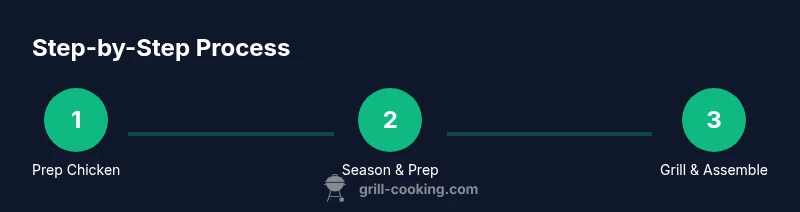
Steps
Estimated time: 30-40 minutes
- 1
Prep the chicken
Pat the chicken breasts dry and trim any excess fat. If uneven, gently pound to about 1/2 inch (1.25 cm) thickness to promote even cooking. This step ensures the interior cooks at the same rate as the exterior, preventing undercooked centers or overcooked edges.
Tip: Even thickness is key—use a rolling pin between two sheets of plastic wrap if needed to avoid tearing while pounding. - 2
Season generously
Apply a light dry rub: salt, pepper, and a touch of garlic powder. If you like, add a pinch of paprika for color and a hint of smokiness. Let the seasoning sit for a few minutes to draw moisture to the surface before grilling.
Tip: Avoid over-salting; you can always season more at the table if desired. - 3
Preheat the grill
Preheat your grill to 400–450°F (204–232°C). Oil the grates lightly to reduce sticking. A properly heated grill sears the chicken quickly, sealing in juices for juicier results.
Tip: Open vents on a charcoal grill to maintain stable temperature; for gas grills, keep burners on high, then adjust as needed. - 4
Grill the chicken to 165°F
Place chicken on the hottest part of the grill. Sear for 4–6 minutes per side, depending on thickness, until the internal temperature reaches 165°F (74°C). Avoid pressing down on the meat to keep juices inside.
Tip: Use a thermometer for accuracy; carryover cooking will finish the job off the heat. - 5
Toast buns and prep toppings
While chicken rests briefly, split buns and toast cut sides on the grill until lightly browned. Prep toppings like lettuce, tomato, cheese, and pickles so they’re ready for assembly.
Tip: Butter the cut sides lightly before toasting for extra flavor and a crisper texture. - 6
Assemble and serve
Slice the rested chicken into even strips if desired, layer on buns with sauces and toppings, then cap with the top bun. Serve immediately for best texture and juiciness.
Tip: Keep the sandwich warm by wrapping in foil for a minute if you’re serving all at once.
FAQ
What cut of chicken is best for grilled chicken sandwich?
Chicken breasts work best for a uniform, quick cook, but you can use tenderloins for faster grilling. Trim excess fat and even out thickness for consistent results.
Breast fillets or tenderloins are ideal for this sandwich because they grill quickly and evenly.
Should I marinate or brine the chicken?
A light brine or dry-brine helps moisture retention and flavor. If you’re short on time, a quick rub plus resting time on the counter works well too.
A short brine or dry-brine helps keep the chicken juicy even on a hot grill.
Can I make this ahead for a meal prep?
Yes. Grill the chicken, slice it, then refrigerate. Reheat gently or assemble fresh for best texture. Store sauces separately to prevent sogginess.
Yes—grill ahead and assemble later, but keep sauces separate to avoid soggy buns.
What cheese pairs well with this sandwich?
Cheeses like Swiss, provolone, or cheddar complement the grilled chicken well without overpowering the flavor.
Swiss or provolone is great with grilled chicken; cheddar also works for a sharper bite.
What bun type works best?
A sturdy brioche, potato bun, or whole-grain bun is ideal to hold up to toppings without sogginess.
Choose a sturdy bun like brioche or potato to keep shape and texture.
How long does this recipe take from start to finish?
Approximately 30–40 minutes, depending on grill heat and resting time. You can shorten by prepping ingredients in advance.
Plan for about half an hour from prep to plate.
Watch Video
Quick Summary
- Maintain even chicken thickness for uniform cooking.
- Rest the meat after grilling to retain juiciness.
- Toast buns for structure and flavor.
- Use a thermometer to hit safe internal temps without overcooking.
- Keep toppings simple to let the chicken shine.