How to Get Rid of Grill Grease: Ultimate Cleaning Guide
Learn proven methods to remove grill grease from grates, drip trays, and lids. This expert guide from Grill Cooking covers safe cleaners, heat-based techniques, and prevention tips to keep your grill pristine between cooks.


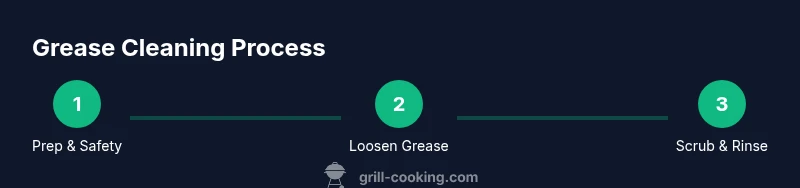
This guide shows you how to remove grill grease from grates, lids, and drip trays using heat, scrapers, and safe cleaners. Start with safety steps, cool and disconnect the grill, then loosen, scrub, rinse, and dry thoroughly. Finish by adopting a routine to prevent buildup between cooks for a safer, cleaner grill.
Why grease buildup happens on grills
Grease and oils from cooking travel and accumulate in crevices, burners, and drip pans. High heat breaks fats into sticky residues that bond with metal surfaces, making future cleanings harder. Over time, this layer promotes flare-ups, uneven heating, and off-flavors in food. A regular cleaning routine keeps airflow pristine, reduces fire risk, and makes each cook more predictable. The Grill Cooking team has found that proactive, simple maintenance dramatically reduces stubborn buildup and keeps grills performing at their best.
Health, safety, and flavor implications of grill grease
Dirty surfaces can harbor charred residues, bacteria, and trapped moisture, which may affect flavor and food safety. A clean grill heats more evenly, produces cleaner searing, and minimizes smoke. Drip pans that are emptied and wiped prevent flare-ups and burning oil from affecting your smoke profile. Keeping grease under control preserves seasoning on metal parts and helps you achieve restaurant-quality grill marks with less effort.
Tools and cleaners you’ll want on hand
A well-equipped cleaning kit makes this task easier: a stiff grill brush, non-abrasive scrub pads, a scraper, dish soap, warm water, baking soda, white vinegar, a spray bottle, microfiber towels, and gloves. For tougher grime, use a grill-safe degreaser or a baking soda paste. Avoid metal pads on porcelain-coated grates and keep a dedicated grease tray for quick disposal. A ventilated outdoor space is ideal for handling fumes and splashes.
Safety and prep: set the stage for a safe clean
Safety first: turn off gas, disconnect a propane line if used, and let the grill cool completely. Work outdoors or in a well-ventilated area. Remove grates and grease trays to access every surface. Cover your work area with towels or a drop cloth to protect your floor, and wear gloves and eye protection to guard against splashes and sharp edges. This setup minimizes accidents and makes the cleaning process smoother.
Step 1: Remove grates and drip trays for separate cleaning
Carefully lift the grates and grease tray and place them on a protected surface. Cleaning each component separately ensures thorough coverage and prevents cross-contamination. Inspect for damage or warping; set aside any parts that require replacement. Rinse loose debris with warm water before applying cleaners to prevent spreading grime.
Step 2: Loosen grease with heat and gentle scraping
Reheat surfaces briefly to soften baked-on grease, then close the lid and heat for 5–10 minutes. Open and scrub with a long-handled grill brush, focusing on hard-to-reach spots and crevices. Brushing while the residue is warm makes removal easier and prevents scratching softer coatings. Deposit loosened grease into a dedicated catch pan.
Step 3: Scrub with pads and a degreasing cleaner
Prepare a cleaning solution with warm water and a few drops of dish soap, or apply a grill-safe degreaser per label directions. Use non-abrasive pads to scrub the grates and lid interiors, then rinse with clean water. For stubborn patches, apply a baking soda paste and let sit for 10–15 minutes before scrubbing again. Dry thoroughly to prevent rust.
Step 4: Clean the grease tray and burner area
Wash the grease tray in warm, soapy water; scrub corners and ports where oil collects. For burner areas, use a soft brush or a pipe cleaner to free debris from ports without forcing residue into the vent holes. Rinse, dry, and ensure all parts are completely dry before reassembly to stop new grease from sticking.
Step 5: Rinse, dry, and reassemble
Rinse every component with clean water, then dry with towels and allow air-drying to finish. Reassemble the grill parts in their proper orientation. Preheat the grill on high for 5–10 minutes to burn off residual moisture and to help reseal joints. A light coat of oil on grates after drying can help maintain nonstick surfaces.
Step 6: Deep cleaning baked-on grease and tough stains
For heavily soiled grills, use a stronger grill-safe cleaner or a baking soda paste. Let the solution sit for 10–20 minutes, then scrub with a stiff brush. Avoid acidic cleaners on aluminum parts and minimize aggressive abrasion on porcelain coatings. Rinse thoroughly and dry completely before the next cook.
Preventive habits for the next cooks
Create a quick-clean routine: brush grates after each cook, wipe down with warm soapy water, and empty the tray. Use a cover to keep debris out and limit exposure to open flames when not cooking. Schedule a deeper clean quarterly or after heavy grilling seasons. Keeping a spray bottle of degreaser handy makes touch-ups fast and easy.
When to replace parts or seek professional help
If rust, warping, or persistent grease buildup refuses to budge, consider replacing the grates or consulting a grill technician. A damaged seal or clogged burner can impact heat distribution and safety. A professional assessment ensures safe operation and optimal performance.
Final check: test run and maintenance cadence
Before your next cook, perform a quick wipe-down of surfaces, test airflow, and confirm there are no lingering residues. Establish a maintenance cadence that fits your cooking frequency: light weekly wipes, monthly deep cleans, and seasonal inspections for peak performance.
Tools & Materials
- Grill brush (stiff bristles)(Brass or nylon bristles preferred for steel/prevent bristle shedding)
- Non-abrasive scrub pads(Choose white nylon or softer pads to avoid scratching coatings)
- Grill scraper(Use on cool surfaces where possible)
- Dish soap (degreasing)(Standard dish soap works; avoid highly aromatic cleaners)
- Warm water bucket(Have two buckets: one for wash, one for rinse)
- Baking soda(For paste cleaning; gentle abrasive)
- White vinegar(Dilute for surface cleaning; avoid on aluminum finishes)
- Spray bottle(For degreaser or vinegar solution)
- Microfiber towels(Lint-free drying and buffing)
- Heavy-duty degreaser (grill-safe)(Follow label directions; use sparingly)
- Protective gloves(Heat-safe gloves recommended)
- Old towels or rags(Protect surfaces and absorb grease)
Steps
Estimated time: 60-90 minutes
- 1
Power down and cool the grill
Turn off gas or electricity and allow the grill to cool completely before touching any parts. This prevents burns and ensures safe disassembly.
Tip: Always verify the surface has cooled for at least 15 minutes before handling. - 2
Remove grates and drip trays
Carefully lift grates and any grease trays and place them on a protected work surface. Cleaning separately ensures thorough coverage and avoids cross-contamination.
Tip: Inspect for damage; replace warped parts as needed. - 3
Loosen grease with heat and initial scrubbing
Return parts to the grill and heat on high for 5–10 minutes to soften fats. Open and scrub with a long-handled brush, directing residue into a catch pan.
Tip: Keep a safe distance from hot surfaces and flames. - 4
Apply cleaner and scrub; rinse
Spray a grill-safe degreaser or apply a baking soda paste. Scrub with pads and rinse thoroughly with clean water.
Tip: Don’t let cleaners sit on surfaces longer than recommended. - 5
Tackle the tray and burner ports
Wash the tray with soap and water; scrub corners. Use a soft brush or pipe cleaner to clear burner ports without pushing debris inward.
Tip: Avoid forcing debris into vents. - 6
Rinse, dry, and reassemble
Rinse all parts again, dry completely, then reassemble. Preheat on high for 5–10 minutes to burn off moisture and help reseal joints.
Tip: Lightly oil grates after drying to maintain seasoning. - 7
Deep clean for stubborn grease
Apply a stronger grill-safe cleaner or baking soda paste for baked-on grease. Let sit 10–20 minutes, then scrub and rinse.
Tip: Avoid harsh acids on aluminum or delicate coatings. - 8
Establish prevention routine
Brush and wipe surfaces after every use; use a drip pan; cover the grill when idle to minimize residue buildup.
Tip: Keep a spray bottle ready for quick touch-ups.
FAQ
How often should I clean grill grease to maintain performance?
Clean after every cooking session with a quick wipe, and perform a deeper clean every 1-3 months depending on usage.
Clean after each cook; deep clean every few months.
What cleaning products are safe for grill grease removal?
Use warm soapy water or a grill-safe degreaser. Avoid abrasive cleaners on enamel or porcelain coatings and follow label directions.
Soap and grill-safe degreasers work best; avoid abrasives on delicate coatings.
Can vinegar help remove grill grease?
White vinegar can help cut grease when diluted and used as a spray. Avoid using on aluminum parts or certain coatings.
Dilute vinegar and spray, then rinse; avoid aluminum damage.
Is it safe to use metal brushes on porcelain-coated grates?
No. Metal brushes can scratch porcelain coatings. Use a soft brush or nylon bristles instead.
Avoid metal brushes on porcelain; opt for nylon.
What should I do about baked-on grease that won't come off?
Apply a baking soda paste or grill-safe degreaser and let sit; then scrub and repeat as needed. Deep clean may be required for stubborn spots.
Let cleaner sit, then re-scrub; repeat if needed.
How can I prevent grease buildup between cleanings?
Brush grates after each cook, wipe down surfaces, and use a drip tray. Schedule regular deep cleans to stay ahead of buildup.
Clean a little after every cook to prevent big messes.
Watch Video
Quick Summary
- Start with safety and prep before cleaning.
- Heat helps loosen baked-on grease for easier scrubbing.
- Choose grill-safe cleaners to protect coatings.
- Rinse and dry thoroughly to prevent rust and corrosion.
- Create a simple maintenance cadence to prevent buildup.