How Often to Clean a Pellet Grill: A Practical Maintenance Guide
Learn how often to clean your pellet grill for optimal performance, flavor, and longevity. This guide covers post-cook quick cleans, monthly deep cleans, safety tips, and a step-by-step maintenance routine for 2026.


To keep your pellet grill performing at its best, clean it regularly. Start after each cook with a quick wipe of grates, brush the firepot and interior walls, and vacuum ash. Do a deeper clean monthly, or sooner if you’re cooking frequently or using messy sauces. Periodically inspect the hopper and seals.
Why Cleaning a Pellet Grill Impacts Performance
Regular cleaning is not cosmetic; it directly affects heat consistency, smoke quality, and safety. A pellet grill relies on precise airflow and controlled burn chambers. Ash buildup in the fire pot and hopper reduces airflow, causing temperature swings and uneven searing. Over time, grease and food particles can create off flavors and cause flare-ups. According to Grill Cooking, maintaining a disciplined cleaning routine improves ignition reliability and the longevity of seals and electronics. By removing ash, brushing away residue, and wiping surfaces, you minimize clogs and maintain crips, steady temps. For home cooks, this matters as it translates to predictable cooking times and better smoke profiles. The goal is simple: keep the combustion zone clear, protect electrical components from moisture, and protect gaskets from stiffening. A clean grill also reduces the risk of flare-ups that can scorch meat and stress the auger. Finally, consider the environment: grime and ash can migrate into your food if you neglect the hopper and interior walls. Regular cleaning helps preserve flavor and performance from grill-to-grill. Home cooks benefit from a routine that includes quick after-cook touch-ups and scheduled deeper cleans. Setup matters too: keep your workspace organized, have a dedicated ash container, and ensure the grill is cool before you begin. The process is straightforward but must be consistent; skipping sessions invites stubborn buildup that becomes harder to remove and may change heat distribution over time.
How Often to Clean After Each Cook
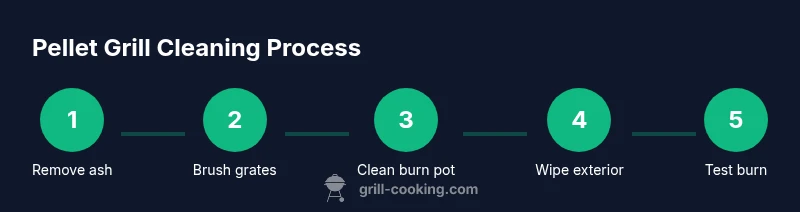
After you complete a grilling session, a quick clean should take just a few minutes but yield meaningful benefits. The most important daily practice is to remove ash from the burn pot and fire box, wipe off remaining grease, and brush the grates to prevent metal fatigue and uneven heat transfer. This routine helps you maintain consistent searing temps and flavorful smoke. Grill Cooking Analysis, 2026 indicates that light maintenance after each cook reduces flare-ups and preserves ignition reliability, especially when cooking fatty meats or sauces that leave sticky residues. In practice, plan a 5- to 10-minute post-cook clean: remove ash, brush, wipe, and inspect for obvious blockages. If you notice a smoky or metallic aftertaste, extend the wipe-down and check for stuck pellets or char on the sensors. The goal is to keep airflow paths clear and protect electronics from moisture. Although it’s tempting to skip, a short daily routine pays dividends in temperature stability, safer operation, and better flavor over the life of your pellet grill today. Although it’s tempting to skip, a short daily routine pays dividends in temperature stability, safer operation, and better flavor over the life of your pellet grill today.
Monthly Deep Clean: What to Include
A deep clean goes beyond the quick after-cook wipe and targets hidden buildup that can erode performance. Start by emptying the hopper and brushing out loose dust, then inspect the auger housing for crumbs that could clog pellets feeding. Remove and scrub the burn pot, heat shields, and drip tray to remove char and grease that impair airflow. A thorough wipe of the interior walls prevents sticky residues from forming at high temps. While you’re at it, check the gaskets around the door and hopper; softened seals reduce efficiency and may cause gaps that let moisture intrude during storage. The goal of a monthly deep clean is to restore airflow paths, minimize smoke odors, and prevent corrosion. Use a damp cloth with a mild detergent, then rinse with a clean, dry towel to avoid moisture seeping into electronics. After cleaning, reassemble and perform a short test burn to verify steady temperatures and clean exhaust. If you notice lingering odor or excessive buildup, consider repeating the deep clean in another session or consult the grill’s manual for manufacturer-specific guidance. This approach also minimizes the risk of rust and keeps the finish looking new. If you use a grill cover, remove it during storage cleaning to prevent moisture from being trapped.
Seasonal Prep and Storage Cleaning
Seasonal prep and proper storage reduce corrosion and equipment wear during off-seasons. Before long-term storage, empty the hopper completely, brush loose ash from the exit area, and seal the grill to prevent moisture intrusion. Wipe exterior surfaces and control panel with a non-abrasive cleaner suitable for stainless steel. Inspect gaskets again before storing; cold, dry conditions can cause rubber to stiffen or crack if left unused. If you’ll store for several weeks or months, consider removing pellets and storing them in a dry container to prevent moisture absorption; vacuum the interior to remove any leftover dust. When you take the grill back into service, perform a short startup to verify ignition and airflow after any seasonal closure. Grill Cooking Analysis, 2026 emphasizes that a clean, climate-controlled storage approach can extend your grill’s life and ensure a smoother startup after winter or off-season. Keep a dry place, away from extreme heat and humidity, for best results. Store in a cabinet or garage shelf to minimize dust exposure over months.
Cleaning Tools and Setup
Having the right tools reduces the time and frustration of grill maintenance. Assemble a dedicated cleaning kit: a heat-resistant pair of gloves, a stiff-bristle grill brush, a scraper, an angled brush for hard-to-reach spots, a shop vac or ash vacuum, microfiber cloths, mild dish soap, and a bucket or tray for ash disposal. Keep tools separate from kitchen items to avoid cross-contamination. Establish a clean workspace with good lighting and access to water for occasional rinsing (when surfaces are cool and electronics are protected). Use a dedicated ash disposal container, ideally metal with a tight lid, and keep a spare set of gaskets and replacement parts within reach. For pellet hopper care, a small brush and a soft cloth are enough to remove loose dust without disassembling sensors. Maintaining a consistent routine with properly organized tools makes the cleaning faster, safer, and more thorough, encouraging you to stick to the schedule rather than postponing tasks. If you use a rotisserie or grazing, wipe those areas as part of the post-cook cleaning routine. If you regularly cook saucy foods, increase frequency of this quick routine to every 2-3 cooks, especially during hot weather when grease runs more quickly. Keep routine consistent.
Common Cleaning Mistakes to Avoid
Avoid a few common missteps that can hurt performance or safety. Never use abrasive pads on stainless steel finishes; choose a non-scratch cloth and mild cleaner. Do not spray water directly onto hot electronics or control panels; allow the grill to cool and protect sensors, wiring, and electronics. A frequent mistake is using a metal brush aggressively on the burn pot or interior walls; bristles can shed and contaminate the food or clog the auger. If you spill sauce or grease, wipe it up promptly rather than letting it bake on during a hot cycle. Finally, avoid rushing cleanup when the grill is still warm; heat softens grease and makes it harder to remove. Take your time with a controlled, methodical approach, and always follow the manufacturer’s cleaning recommendations. With these cautions in mind, cleanliness becomes a straightforward habit rather than an intimidating chore. Bookmark reminders in your phone to avoid forgetting checks.
How to Handle Hopper and Burn Pot Maintenance
The hopper and burn pot are the heart of the cleaning routine because they interact with the fuel flow and combustion. Start by removing loose ash from the burn pot and around the flame guide; never use metal tools to scratch the burn pot coating. Use a brush or scraper to remove char from the heat shield and interior walls, paying attention to the corners where ash hides. If you notice a stubborn buildup in the burn pot, allow the grill to cool, then gently scrub with a non-abrasive pad and a mild cleaner. For the hopper, tilt the grill if necessary to access the bottom; use a soft brush to loosen dust near the auger inlet. Avoid wetting internal components when cleaning, as moisture can damage electrical sensors and cause rust. Finally, recheck the seals around the hopper lid and any access doors; replace worn seals to maintain air control and prevent moisture ingress. If you disassemble, follow warnings in the manual to avoid safety risk.
Safety Considerations and Warranty Implications
Safety comes first when cleaning a pellet grill. Always power down and unplug any electrical connections before starting work, and wait for the grill to be completely cool to avoid burns. Use heat-resistant gloves and never reach into hot crevices. When dealing with hot ash, transfer it to a metal container with a tight lid and place it outside away from combustibles. Do not use water to rinse electrical components or the control board while the grill bottom is still wet. If your grill is under warranty, check the manual or manufacturer’s policy; voiding a warranty by using non-approved cleaners or disassembling safety-critical parts is a risk. In most cases, regular cleaning performed as per the brand’s guidelines will not void coverage and may even be a requirement for continued warranty protection. For peace of mind, document your maintenance dates and steps, and keep a copy of the manual. If in doubt, contact customer support for approved cleaners and safety guidelines for clarity later.
Quick Cleaning Routine for Messy Sauces or Spills
When you encounter heavy sauce or sticky residues, a quick, targeted routine helps prevent burning and buildup. Start by letting the grill cool, then scrape away loose debris with a plastic scraper. Wipe down sauces from exterior surfaces and interior walls using a damp microfiber cloth with a light detergent. For stubborn grease, apply a small amount of grill-safe cleaner and give the area a gentle scrub, then rinse with a clean cloth. Do not saturate any electrical components or the control panel; stick to surfaces you can reach without disassembly. After removing the sticky mass, brush the grates to restore even coating and heat transfer. Finally, vacuum the ash from the bottom of the fire pot to minimize future ash migration. End the routine with a brief burn-off exercise to sanitize the interior and dry any moisture. Quick touch-ups like this help maintain clean airflow and consistent temperatures between deeper cleans. If you regularly cook saucy foods, increase frequency of this quick routine to every 2-3 cooks, especially during hot weather when grease runs more quickly. Keep routine consistent.
Interpreting Signs You Need a Cleaning Sooner
Sometimes life gets busy, but certain signs indicate you should clean sooner than planned. If your grill is taking longer to reach target temperatures or the smoke flavor is off, residue may be restricting airflow. A noticeable increase in ash buildup, flaky char near the burn pot, or grease beads around seals suggests you should schedule a maintenance session. Odd odors, especially burnt plastic or chemical smells, require immediate attention to avoid danger or damage to electronics. Reduced pellet feed efficiency can also signal an auger or sensor issue caused by buildup. Finally, check for excess moisture in the hopper after a rain or high humidity; water intrusion can promote rust and corrosion. By watching for these indicators and sticking to a regular cleaning cadence, you’ll keep your pellet grill performing at its best and extend its life. Regularly updating your maintenance checklist helps everyone in the family follow the same routine consistently and reduces the chance of missed cleanings for your grill and your wallet long-term.
Tools & Materials
- Heat-resistant grill gloves(Protect hands when handling hot components)
- Stiff-bristle grill brush(For grates and interior walls)
- Scraper (plastic preferred)(Use on ash and stubborn residue)
- Angled brush for corners(Reach tight spots)
- Shop vac or ash vacuum(Remove ash safely)
- Microfiber cloths(Dampen for wipe-downs)
- Mild dish soap(Gentle cleaner for exterior)
- Ash disposal container (metal)(Keep ash separate)
Steps
Estimated time: 60-90 minutes
- 1
Power down and cool the grill
Turn off the grill, unplug if possible, and wait until all components are cool to the touch before starting.
Tip: Cooling prevents burns and makes ash removal easier - 2
Empty loose ash from pot and bin
Use the ash vacuum or scoop to remove loose ash from the burn pot and ash bin.
Tip: Do not mix fresh pellets with old ash - 3
Brush grates and interior surfaces
Scrub the grates and interior walls to remove surface grease and char buildup.
Tip: Brush in the direction of the metal to avoid damage - 4
Vacuum hopper area
Gently vacuum around the hopper inlet to reduce dust entering the auger area.
Tip: Keep the hopper lid closed when not actively cleaning - 5
Clean burn pot and flame guide
Scrape and scrub away any stubborn buildup in the burn pot and flame guide.
Tip: If you see large clumps, remove and rinse after cooling - 6
Wipe heat shields and drip tray
Wipe down heat shields and the drip tray to remove grease that can burn during future cooks.
Tip: Avoid soaking metal parts; use damp cloth only - 7
Wipe exterior and controls
Carefully clean the exterior and control panel with a damp cloth and mild soap.
Tip: Never spray water directly into control electronics - 8
Inspect seals and gaskets
Check door and hopper seals for wear and replace if necessary to maintain airflow.
Tip: Keep a small stock of spare gaskets - 9
Reassemble and test burn
Reinstall components and run a short burn to ensure everything operates smoothly.
Tip: Observe for unusual smoke or odors - 10
Document maintenance
Log date and tasks performed to track cadence and for warranty documentation.
Tip: Set reminders for the next deep clean
FAQ
How often should I clean my pellet grill after cooking?
Clean after every cook with a quick wipe, brush, and ash vacuum. Schedule a deeper clean monthly or when you notice buildup or performance changes.
Clean after every cook with a quick wipe, brush, and ash vacuum; plan a deeper clean monthly or if you see buildup.
What is the difference between a quick clean and a deep clean?
A quick clean removes surface grease and ash after a cook. A deep clean targets hidden buildup in the burn pot, hopper, heat shields, and interior walls.
A quick clean is surface cleaning after cooking; a deep clean digs into the burn pot, hopper, and interior surfaces.
Can I use soap and water on my pellet grill?
Use mild soap and water on exterior surfaces only and avoid areas with electronics. Do not soak or spray water on control panels.
Yes, mild soap on the exterior surfaces, but avoid electronics and avoid spraying water on the controls.
How do I clean the hopper without damaging sensors?
Brush away loose dust and avoid soaking the hopper. Reset or re-seat sensors if you disassemble, and follow the manufacturer’s guidance.
Gently brush the hopper and never soak it. If you disassemble, follow the manual’s guidance.
Will cleaning void my warranty?
Regular cleaning per the brand’s guidelines generally supports warranty terms; avoid disassembling safety-critical parts unless directed by the manual.
Keeping up with the brand’s cleaning guidelines usually doesn’t void warranty; avoid disassembly unless directed.
What should I do if I smell burning plastic during cleaning?
Turn off the grill, unplug, and inspect for melted wiring or debris. If unsure, contact support before resuming use.
If you smell burning plastic, shut down the grill and check for damaged wiring or debris; seek help if needed.
How often should I inspect seals and gaskets?
Inspect seals during monthly deep cleans and replace if you notice cracking, stiffness, or gaps affecting airflow.
Inspect seals monthly during deep cleans and replace if you see cracks or gaps.
Is a deep clean necessary after every season?
Seasonal cleanups are recommended to remove moisture and prevent corrosion; adjust cadence based on storage time and local humidity.
Yes, do a seasonal clean to remove moisture and prevent corrosion, adjusting the cadence to storage time.
Watch Video
Quick Summary
- Clean after every cook to maintain airflow
- Schedule a deep clean monthly, or based on usage
- Use proper tools and keep a maintenance log
- Follow safety and warranty guidelines