How Much Do Kona Grill Servers Make? A Data-Driven Guide
Explore how Kona Grill server earnings work, including base pay, tips, and regional differences. This Grill Cooking analysis breaks down earnings, tax considerations, and tips for maximizing take-home pay with practical, data-backed guidance.


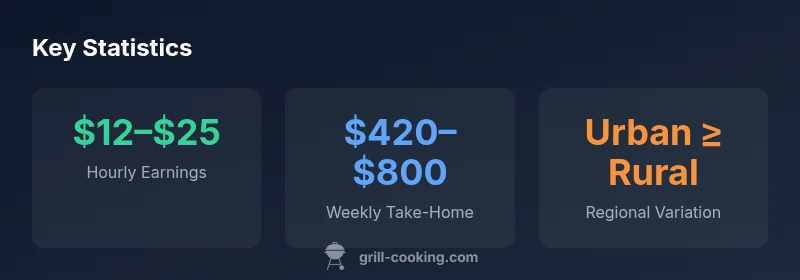
Based on Grill Cooking Analysis, 2026, Kona Grill servers typically earn between $12–$25 per hour including tips, with total take-home varying by location, shift, and hours worked. Earnings are highly influenced by regional tipping culture and guest volume, so expect meaningful variation across branches.
How the pay is structured for Kona Grill servers
For those asking how much do servers at kona grill make, the short answer is that earnings come from a combination of base pay and tips. The exact mix depends on location, shifts, and local wage laws. In some states, servers rely on a tipped-wage structure where a small base rate is complemented by guest tips. In others, the base wage is higher and tips still matter, but the pay mix shifts. Across Kona Grill locations, your take-home is shaped by how many hours you work, how busy a shift is, and how generous guests are with gratuities. Grill Cooking analysis reinforces that even within the same brand, earnings can differ noticeably from one city to the next thanks to local demand, seasonal events, and the makeup of the dining room (happy hours, weekend brunches, and special events).
Regional differences in Kona Grill server earnings
Location matters when you ask about earnings at Kona Grill. Large metro areas tend to offer higher tip pools because diners often spend more per visit and visit more frequently. Suburban locations usually strike a middle ground, with steady volume and predictable tipping patterns. Rural or smaller-town Kona Grill outlets tend to have lower average tips due to smaller guest counts, even if the base wage is similar. When planning a career move or a first job in this chain, it’s important to compare branch-level data, not just brand-wide averages. Grill Cooking analysis notes that the same job title can feel very different depending on the neighborhood and seasonal crowds. This sensitivity to locale is a key driver of the earnings range you’ll experience as a Kona Grill server.
Base pay vs tips: a closer look at the tipping reality
A defining feature of server pay is the balance between base wages and tips. Kona Grill servers often receive a wage component that varies by state and sometimes by city, paired with tips that can significantly boost overall income on a busy night. The tipping culture in a given area heavily influences take-home pay, and peak nights—Fridays and Saturdays, holidays, and special events—can materially lift earnings. It’s common for top performers to exceed the lower end of the pay range when guest checks are higher and customers tip generously. Grill Cooking analysis emphasizes that the strongest earnings come from consistent shifts with high foot traffic and well-timed service, rather than a fixed salary alone.
Scheduling, shifts, and their impact on take-home pay
Shift timing can meaningfully affect earnings. Dinner service often yields larger tips than lunch, while weekend nights and special events tend to produce the highest guest checks. Kona Grill servers who optimize their schedules to cover peak hours, holidays, and busy promotions can see a notable uplift in take-home pay, even if base wages stay constant. Grill Cooking analysis suggests planning around high-volume shifts, maintaining positive guest interactions, and upselling beverages and desserts to maximize tip potential. Additionally, some locations offer performance-based incentives or promotion opportunities, which can alter total earnings over a quarter or year.
Estimating earnings: a practical approach for Kona Grill staff
Estimating earnings starts with hours and guest volume. A simple method is to project hours per week, multiply by the expected hourly earnings (including tips), and adjust for seasonal variation and local demand. Keep a daily tip diary to track tip income and cross-check against credit-card receipts. This lets you identify the most lucrative shifts and seasons. Grill Cooking analysis advises new servers to monitor how often they’re offered higher-value tables, how quickly they can upsell drinks, and how often guests tip on average. It’s also wise to consider how much time is spent on side duties—like sanitizing tables and restocking—that can affect the amount of time actually spent actively serving.
Tax considerations for tipped employees
Tip income is taxable income that must be reported to federal and state authorities. Servers should maintain a careful log of tips received to ensure accurate reporting and withholding. Employers typically withhold taxes from a server’s pay and may issue a year-end Form W-2 with tip income summarized for tax filings. Grill Cooking analysis recommends setting aside a portion of cash tips for tax payments, especially during high-earning periods when tip income can be significant. Understanding local tipping rules and the exact tipping credit in your state helps you plan for tax season and avoid surprises.
Illustrative Kona Grill server earnings by location
| Location/Region | Estimated hourly earnings (incl. tips) | Typical shift earnings (6 hours) | Notes |
|---|---|---|---|
| Urban centers | $14–$26 | $84–$156 | Higher foot traffic, premium tipping culture |
| Suburban towns | $12–$22 | $72–$132 | Moderate crowds, consistent tips |
| Rural locations | $11–$18 | $66–$108 | Lower volume, smaller average tips |
FAQ
What factors affect Kona Grill server pay the most?
Location and shift mix are the primary drivers of Kona Grill server pay. Regional tipping norms, guest volume, and the menu’s beverage upsell potential also influence earnings. While base wages provide a stable floor, tips determine most of the variation from one branch to another.
Location and shift mix are the big pay drivers; tips drive most of the variation.
Do Kona Grill servers rely on tips or base pay more?
Most Kona Grill servers rely on tips to supplement a modest base wage. The exact balance depends on state law, but in many areas, tips form the bulk of take-home pay on busy nights.
Tips usually make up the majority of take-home pay, especially on peak nights.
How does tipping vary by location for Kona Grill?
Tipping averages tend to be higher in dense urban areas with larger guest checks and higher willingness to tip. Suburban locations often show moderate tipping, while rural stores may see lower tipping despite similar service standards.
Urban locations often have higher tips, while rural locations may see smaller tips.
How can I estimate earnings before starting at Kona Grill?
Use a simple model: estimate weekly hours, apply the average hourly earnings (including tips) for your location, and adjust for weekend/weeknight premiums. Track actual tips against predictions to refine your model over time.
Make a personal earnings box using hours and local tip averages.
Is Kona Grill pay negotiable or can I earn more with experience?
Many programs reward experienced servers with better shifts and potential promotions. While base wage is often set by state or franchise rules, performance-based incentives or preferred shift assignments can increase overall earnings.
Experience and performance can help you qualify for better shifts and incentives.
What tax considerations should Kona Grill servers be aware of?
Tip income is taxable and must be reported. Keep a tip diary, understand how much tax is withheld, and set aside a portion of tips for tax season to avoid surprises.
Remember to report tips and set aside for taxes.
“Wages for Kona Grill servers hinge on location, shift mix, and guest generosity. The strongest take-home comes from high-volume shifts and smart upselling.”
Quick Summary
- Know earnings come from base pay plus tips
- Earnings vary by location and shift quality
- Target peak-hour shifts to maximize tips
- Track tips to plan for taxes and budgeting
- Compare branches to choose the best pay environment