How Difficult Is Weber Grill Assembly? A Practical Guide for Home Cooks
Explore how difficult to assemble weber grill across Weber models. Learn common challenges, essential tools, and a clear, model-agnostic step-by-step plan to speed setup and start grilling with confidence.


How difficult is it to assemble a Weber grill? This guide compares common Weber models, flags typical pain points, and outlines a practical, step-by-step approach to reduce setup time. Expect standard tool needs, possible assembly quirks, and quick fixes from Grill Cooking. With clear expectations, home cooks can tackle assembly confidently and start grilling sooner, with fewer surprises.
How difficult to assemble weber grill
If you’ve wondered how difficult to assemble weber grill, you’re not alone. The Weber lineup varies by model, and that means some kits go together in under an hour while larger bundles stretch into a couple of hours. According to Grill Cooking, differences in frame design, burner modules, and control assemblies create a spectrum of assembly experiences. The goal of this guide is to set realistic expectations, highlight the most common sticking points, and provide practical, model-agnostic steps you can apply regardless of which Weber you own. By recognizing that difficulty is influenced by packaging quality, instruction clarity, and your workspace, you can plan accordingly and avoid rushed, frustrating installs. The Grill Cooking team found that real-world assembly time often hinges on kit completeness and following the manual carefully.
Preparation: Tools, Workspace, and Reading the Manual
Before you touch a single screw, set up a clean, flat workspace and review the official Weber manual for your exact model. Encourage grouping parts by where they’ll be installed, so you don’t have to hunt for components during assembly. According to Grill Cooking, a calm, organized approach dramatically reduces handling errors and misplacements. Gather the essential tools, confirm you have all hardware counts matching the parts list, and note any model-specific quirks (for example, how some kits include extra spacers or different burner screws). This preparation phase is the best investment you’ll make—rushing now almost always leads to rework later.
Model Variations You Might Encounter
Weber’s different lines—entry-level to premium—often use different base frames, burner modules, and lid assemblies. In practice, this means you may encounter variations in how parts align, where screws go, and whether pre-installed components save time. The key takeaway is to identify which family your grill belongs to and adapt your expectations accordingly. Grill Cooking emphasizes that model-specific layouts can change the sequence of steps, but the underlying principles—frame stability, proper connections, and leak-proof seals—stay the same. By knowing your model’s general category, you can anticipate subtle differences and pace yourself.
Common Pitfalls and How to Avoid Them
Common pitfalls include misaligned panels, missing washers, over-tightening screws, and not leveling the cabinet before attaching the lid. A frequent issue is attempting to force a part into a slightly wrong position, which damages threads or warps panels. To avoid these problems, always dry-fit major pieces before fastening, double-check screw types against the manual, and keep a spare magnet tray or small container to prevent loss of tiny hardware. If a component feels resistant, stop and recheck alignment instead of applying brute force. This careful approach saves time and preserves the grill’s integrity.
Step-by-Step Assembly Overview
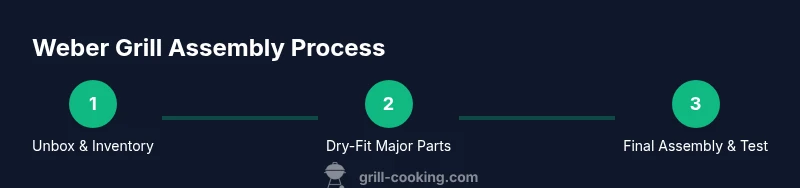
This overview precedes the detailed step-by-step instructions. Expect to unpack, inventory hardware, prep your workspace, and verify you have a complete kit before building. Orientation matters: attach the frame first for stability, then add the body panels, burners, and finally the lid assembly. Don’t forget to torque screws evenly and check all connections for tightness. A deliberate pace upfront prevents rework later and helps you achieve a solid, safe setup. Remember, this is a multi-part task—stay organized and verify each stage before moving forward.
After Assembly: First Burn and Safety Checks
Once the grill is assembled, perform a thorough safety check. Ensure there are no gas leaks by applying a soapy water solution to all connections and looking for bubbles. Light the burners on a low setting to confirm ignition and adjust airflow as needed. Then perform a test burn with the lid open to establish even heating, listening for unusual sounds or smells. After the test run, give every metal surface a light wipe-down and apply a high-heat seasoning or burn-off as recommended by the manual. A careful, deliberate first burn sets the stage for reliable, long-term use.
Troubleshooting Common Fit Issues
If parts don’t align or hardware won’t thread properly, consult the manual’s exploded views and verify you’re using the correct screws in the right places. A missing or wrong spacer can cause misalignment; replacing it restores proper fit. If you discover warped panels or damaged threads, stop and contact Weber customer support rather than forcing a fit. Keep a calm checklist handy so you don’t miss a fastener or misplace a washer. Document model and batch numbers when reaching out for help; this speeds service and parts replacement.
Maintenance Tips to Extend Weber Grill Life
Regular maintenance extends the life of your Weber grill. Clean grates after each use, inspect burners for corrosion, and reseal gaskets as needed. Store the grill with a weather-resistant cover, and keep it on a level surface to prevent warping. Periodically re-tighten screws and check for loose components after a few uses. A simple annual inspection combined with prompt cleaning will keep your grill performing well and looking good for years to come.
Tools & Materials
- Phillips screwdriver #2(Used for most cabinet screws in Weber kits)
- Allen wrench (provided in the kit)(Typically 3/32" or 4 mm; keep handy for frame bolts)
- Adjustable wrench(Useful for nuts and fuel-line connections on some models)
- Pliers(Grip and align parts, hold washers, remove damaged fasteners)
- Level(Ensure your grill sits flat for accurate lid fit and fuel line routing)
- Utility knife(Open packaging and trim any plastic film without scratching metal)
- Magnet tray or small parts organizer(Keeps screws and washers from getting lost)
Steps
Estimated time: 60-90 minutes
- 1
Unbox and inventory hardware
Carefully remove all parts from the box and lay them out in labeled groups. Check that you have every nut, bolt, washer, and spacer as listed in the manual. This prevents mid-assembly trips to the hardware store. If anything is missing, note it and contact support before proceeding.
Tip: Create a parts map on the work surface and check against the exploded diagram in the manual. - 2
Gather tools and prepare the workspace
Set up a clean, dry workspace on a stable surface. Gather the tools listed in the manual and keep a trash bin handy to dispose of packaging. Having a clear space reduces the risk of losing small parts and speeds assembly.
Tip: Decide a reading order from the manual to minimize backtracking. - 3
Dry-fit major components
Before tightening anything, place the frame, panels, and burners in their approximate positions. This helps you confirm alignment and identify any mismatched parts without stripping threads. If something doesn’t align, re-check the part orientation and model version.
Tip: Use a few clamps or gentle supports to hold parts in place while you check fit. - 4
Attach the frame and base components
Secure the main frame rails and base panels first to create a solid backbone. Tighten bolts incrementally in a cross pattern to ensure even pressure. Do not overtighten—this can strip threads and warp the frame.
Tip: Keep a torque reference from the manual if provided to avoid over-tightening. - 5
Install burners, heat shields, and panels
Insert the burner manifolds and attach heat shields according to the diagram. Attach body panels next, aligning slots and screws carefully. Double-check that gas lines (if applicable) clear all moving parts.
Tip: Attach lighter components after heavier ones to reduce the risk of dropping parts. - 6
Attach lid, thermometer, and control panel
Mount the lid first for proper fit against the body. Install the thermometer and control panel per the diagram, ensuring the valve lines align with the openings. Confirm that there’s no binding when opening and closing the lid.
Tip: Test lid movement before finalizing all screws. - 7
Final checks and first burn prep
Recheck all fasteners for proper tightness and verify the grill sits level. Perform a leak test if you have a gas model by applying soapy water to joints; bubbles indicate leaks. Do a low-heat test burn to confirm ignition and even heating.
Tip: Record any model-specific quirks you notice for future reference.
FAQ
Is assembly time the same across Weber models?
No. Time varies by model due to different frames, burner modules, and hardware layouts. Most home cooks will see a range from under an hour to a few hours depending on kit complexity.
Time varies by model; expect a range from under an hour to a few hours based on the kit, frame, and burners.
Do I need tools beyond what’s in the box?
Most builds require only the basic tools included with the kit, plus a screwdriver or wrench for stubborn screws. A level can help ensure stability for lid alignment.
Usually the included tools are enough, with a screwdriver or wrench for stubborn screws. A level helps with lid alignment.
What should I do if screws don’t fit?
Double-check the part numbers and verify you’re using the correct screws for the model. If threads are damaged or parts don’t align, stop and consult Weber support.
If screws don’t fit, verify you have the right screws and undamaged threads; contact support for damaged parts.
Can I assemble indoors or should I work outside?
Both are possible, but a well-ventilated space is ideal for inspectable gas lines and safe burn tests. Ensure you have adequate room and avoid heat sources or moisture.
You can assemble indoors if space is adequate and safe; outdoor setups are common for easier venting and cleanup.
How do I test for leaks after assembly?
For gas grills, apply a soap-and-water solution to joints and hoses; if bubbles appear, tighten or replace the connection. Never use a flame to test for leaks.
Apply soapy water to joints to check for bubbles; never use a flame to test for leaks.
Is professional assembly worth it?
If you’re uncomfortable with gas connections or lack time, a professional service can ensure safe, correct assembly and save frustration.
If you’re unsure about gas connections or time, a professional can ensure a safe, correct build.
Watch Video
Quick Summary
- Plan the workspace before starting.
- Verify model-specific parts early to prevent rework.
- Dry-fit and align components before tightening.
- Safety checks are essential—test for leaks and ignition control.