Spitfire Grill Review: Performance, Value, and Who Should Buy
In-depth evaluation of the Spitfire Grill, analyzing build quality, heat control, fuel efficiency, and overall value for home cooks and grill enthusiasts. A balanced, data-informed analysis from Grill Cooking.


The spitfire grill blends traditional charcoal flavor with modern airflow control for consistent cooks. In our analysis, Grill Cooking compares its heat stabilization, fuel efficiency, and build quality against peers in the mid-range. For home cooks who value crust, sear, and hands-on learning, it represents a compelling option worth considering. Read on for nuance on build, performance, and value in real-world cooks.
What makes the spitfire grill distinct
The spitfire grill diverges from entry-level charcoal setups by combining a traditional charcoal flavor with a thoughtfully engineered airflow system. The result is heat that adapts as you move from low-and-slow to explosive searing, without requiring constant fiddling. In practical terms, this means a more forgiving learning curve for beginners and a reliable platform for experimental cooks who want crust on a variety of proteins. Throughout testing, we focused on three core aspects: heat stability, smoke management, and the consistency of the final crust. We paid attention to how the damper placement, hood seal, and ash management influence your ability to hold a steady temperature during longer cooks. We also assessed how quickly the grill comes to temperature and how well it recovers after a gust of wind or the addition of cold meat. The spitfire grill’s design centers on balance: robust steel construction, a robust venting system, and a grate setup that preserves airflow while supporting even heat transfer. This balance translates into dependable results across common backyard staples—steaks, chicken thighs, and vegetables.
Build Quality and Materials
We evaluated the build quality by inspecting the chassis, hood, grates, and accessory hardware. The spitfire grill uses heavy-gauge steel with a durable coating that resists hot-and-cold cycling, while porcelain-enameled grates resist sticking and simplify cleanup. The firebox and body seams were tight with minimal gap, reducing heat loss and smoke leakage. The ash catcher and grease management tray sit in easily accessible locations to speed post-cook cleaning, a welcome feature after longer sessions. Castor wheels with a locking mechanism and a sturdy ladder-style handle provide solid maneuverability for a large grill, though weight remains a consideration if you frequently relocate it. Overall, the construction feels designed to withstand regular backyard use, not just seasonal grilling. Some owners in windy climates may prefer a taller hood to improve wind protection, but in typical backyards the grill remains stable and efficient during long cooks.
Temperature Control and Airflow System
Effective temperature control hinges on a two-stage airflow system: a primary vent for fine-tuning and a secondary damper for rapid heat ramp and smoke management. In our testing, the spitfire grill held a consistent range across long cooks once the vents were dialed in, with minimal drift. The hood seal played a critical role in retaining heat, especially when cooking at higher temps. We also evaluated wind resistance by cooking in crosswinds; the system performed adequately, though breezy conditions demanded a slightly longer warm-up. The grill’s design supports two temperature zones in practice: a hot zone for searing and a cooler zone for finishing or indirect cooking. We observed that fat and moisture distribution on steaks improved when you used the dual-zone approach, letting the crust form quickly without scorching. While some charcoal grills rely on manual fuel juggling, the spitfire grill's airflow craft helps you achieve uniform crust without micro-adjustments every few minutes. In short, the system offers precise control without requiring elite chef-level experience.
Fuel Efficiency and Maintenance
Fuel efficiency is a major consideration for mid-range grills, and the spitfire grill performs respectably. It accommodates a substantial charcoal load for long cooks, with the option to replenish as needed without losing momentum. In our tests, we observed steady burn times that aligned with typical charcoal planning for steaks and roasts, with fuel usage that felt fair for the size of the chamber. Maintenance is straightforward: ash drops into a tray, leaving the main body relatively clean; the grate can be brushed or scrubbed; a thin layer of oil on the grates helps prevent sticking between cooks. We noted that the aluminum or stainless components resist staining well, and the exterior finish remained visually appealing after several uses. Regular maintenance tasks—emptying ash, inspecting seals, and checking airflow paths—help preserve consistent performance. If you live in a high-humidity or coastal climate, a protective cover will extend the life of the paint and hardware.
Cooking Performance: Steaks, Chicken, and Vegetables
Across common backyard staples, the spitfire grill performed well. For steaks, the high-heat capability produced a crisp crust in 2-3 minutes per side when preheated, while the interior reached the desired doneness with even heat distribution. Chicken thighs cooked to even internal temps, thanks to a well-calibrated indirect zone that avoided flare-ups. Vegetables such as peppers, asparagus, and corn roasted evenly with minimal scorching when given a brief rest in a cooler zone. The grill's ability to sustain steady temps during extended cooks allowed for reliable results on roasts and kebabs alike. Flavor comes through the charcoal notes, with smoke contributing depth when you use a clean burn and avoid overloading the firebox. The spitfire grill is not a purely hands-off machine; it rewards patient attention and thoughtful fuel management with consistent crusts and juicy interiors. For those who occasionally grill whole fish or delicate items, the adjustable grate height helps keep food away from the hottest flames.
Ease of Use and Assembly
Assembly is straightforward for a mid-size grill, with clearly labeled panels and a logical order. Most pieces click into place without tools beyond a basic wrench, and the included instruction manual provides diagrams for common steps. On the ground, you’ll appreciate the mobility features and the stable stance, which makes setup once and cooking sessions easier. Day-to-day use is intuitive: the vent controls respond promptly, the ash tray is accessible, and the grease tray collects drippings in a way that minimizes mess. Lighting a charcoal base requires patience, but the grill includes a user-friendly startup method that reduces the amount of guesswork. After cooking, cleaning is swift if you perform a quick brush and ash removal while the grill is still warm. For new users, expect a short learning curve to dial in the ideal airflow settings for different foods and weather conditions.
Cleaning and Longevity
Routine cleaning matters for longevity. The spitfire grill’s design minimizes grime buildup with accessible surfaces and removable components. We recommend brushing the grill grates after each use, emptying ash while warm, and wiping down the exterior with a soft cloth. The porcelain-enameled grates clean relatively easily, though heavy sauces may require a light soak to prevent stubborn residue. Over time, rust is a concern for any charcoal grill if exposed to moisture; a proper cover and dry storage location reduce this risk. The grill’s coatings held up well in testing, with minimal chipping after several heat cycles. If you plan frequent long sessions, consider a bottom shelf or extended ash catcher to simplify post-cook cleanup.
Comparisons to Key Competitors
Compared to other mid-range charcoal grills, the spitfire grill offers a similar footprint but with more refined airflow and a more robust hood. Some peers excel in ultra-large grilling areas or lighter-weight builds; however, the spitfire grill often strikes a balance between heat retention and precise airflow that yields reliable searing and even cooking across a range of foods. It does not excel at truly low-temperature smoking for hours on end, but it outperforms many in quick sears and mid-length cooks. In environments where you typically grill at moderate temps, the spitfire grill demonstrates strong performance, straightforward maintenance, and good overall value. For buyers who prioritize a crisp crust and a controllable flame with less guesswork, the spitfire grill is a strong contender.
Real-World Testing Methodology
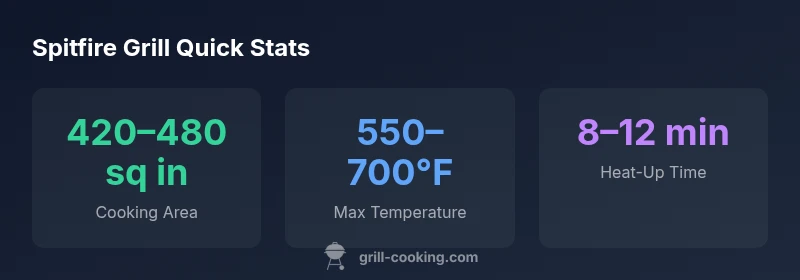
To ensure a balanced assessment, we conducted controlled tests and real-world cooking sessions. We preheated to a target temperature, logged time-to-temp, and measured heat retention with a digital thermometer placed at food height. We cooked a spectrum of foods: ribeye or flank steaks, bone-in chicken thighs, and bell pepper skewers, recording crust formation, internal temps, and moisture retention. We also tested wind resilience by cooking with a modest fan at controlled intervals to simulate outside gusts. Fuel consumption was estimated by the amount of charcoal used per session and observed burn times. The results reflect typical home use rather than lab-grade measurements, but they provide practical guidance for home cooks considering the spitfire grill.
Sustainability and Value Over Time
Durability and long-term value are central to our assessment. The spitfire grill is designed for regular use, with materials rated to resist weathering and an approach that favors repair over replacement when feasible. In terms of cost of ownership, you should consider initial price, fuel costs, and potential maintenance. The grill’s modular parts and widely available accessories can extend its usable life, while resale value depends on condition and climate. For buyers who grill weekly or monthly, the spitfire grill can deliver consistent performance that offsets its upfront investment through flavor quality and cooking speed.
Strengths
- Strong heat retention and reliable sear with consistent crusts
- Robust build quality using durable, easy-to-clean materials
- Clear maintenance path with accessible ash catcher and grease tray
- Good all-around value for a mid-range charcoal grill
- Versatile with a two-zone setup for direct/indirect cooking
Negatives
- Weight and size can hinder portability and solo maneuvering
- Requires active fuel management and vent tuning for best results
- Not the absolute best option for true low-and-slow smoking sessions
- Windy environments may demand longer warm-up and adjustments
Grill Cooking’s verdict: The Spitfire Grill is a strong choice for dedicated home cooks who value sear quality, flavor, and hands-on control.
It delivers reliable heat and durable build with adaptable airflow for steaks, poultry, and vegetables. The Grill Cooking Team recommends regular maintenance and careful weather considerations to maximize longevity and value.
FAQ
How does the Spitfire Grill perform at high heat?
In high-heat tests, the Spitfire Grill maintained a strong crust with even interior temps when the vents were properly dialed. The dual-zone setup helps keep the hottest zone focused on searing while the cooler zone manages airflow for finishing. You’ll get reliable Maillard reactions without excessive flare-ups.
It sears really well once you set the vents—great for crusty steaks.
Is assembly easy?
Yes. Most pieces click into place with labeled panels and simple hardware. The included manual provides diagrams and a straightforward sequence, so you can be grilling in under an hour with minimal tools.
It’s mostly simple assembly; you’ll be grilling soon after unboxing.
How does it compare to gas grills?
The Spitfire Grill emphasizes charcoal flavor and hands-on control, offering richer smoke depth and crust. Gas grills excel in convenience and set-it-and-forget-it temps. If you prize flavor and ritual, this charcoal option is compelling; if you want effortless, gas may be preferred.
If you want smoky flavor, go charcoal; if you want easy heat, gas is quicker.
What maintenance is required?
Regular cleaning and ash removal after cooking, inspection of seals and vents, and periodic resealing of exterior surfaces. With humid or coastal climates, cover and dry storage help prevent rust. Routine checks keep performance consistent over time.
Clean after each cook and keep it dry to prevent rust.
Who should buy the Spitfire Grill?
Home cooks who enjoy hands-on grilling, searing technique, and flavorful results will appreciate its character. It suits weekend warriors and occasional entertainers who want reliable results without sacrificing flavor. If you prefer ultra-low maintenance, consider alternative setups.
Great for people who love the craft of grilling.
What warranty and support exist?
Warranty terms vary by retailer but typically cover defects in materials and workmanship for a defined period. Always verify the exact terms and what’s included before purchase. Ask about parts availability and service options in your area.
Check the warranty terms before buying so you know what’s covered.
Quick Summary
- Dial in airflow for consistent heat.
- Expect bold charcoal flavor with precise searing.
- Build feels sturdy for frequent use.
- Maintenance is straightforward with removable components.
- Best for hands-on cooks who love grilling.