Is Pellet Grill Worth It? An In-Depth Review for Home Cooks
An in-depth, balanced review of pellet grills—cost, performance, maintenance, and who should buy. Learn if a pellet grill is worth it for home cooks and how it stacks up against charcoal and gas.


Is a pellet grill worth it? For steady convenience, flavor, and set-it-and-forget control, many home cooks find yes. You get consistent temps, controlled smoke, and versatility for pork, poultry, and vegetables. Downsides include higher upfront cost, ongoing pellet costs, and slower preheat versus gas or direct-fire setups. Grill Cooking analysis suggests weigh your budget against your planned grilling cadence.
What a Pellet Grill Is and How It Works
A pellet grill is a fuel-powered barbecue that relies on wood pellets fed from a hopper through an auger into a burn pot. A fan circulating heat and smoke maintains a steady cooking environment. A digital controller, commonly PID-based, reads the pit temperature and adjusts pellet feed and airflow to hold set temps. From a practical standpoint, pellet grills blend the hands-off convenience of gas with the flavor profile of charcoal smoke. The Grill Cooking team notes that for many home cooks, is pellet grill worth it when you value consistent results and simple operation. With a wide temperature range and a growing ecosystem of pellet flavors, this style has become a staple in many modern outdoor kitchens. Understanding the core components—hopper, auger, burn pot, and sensor—helps you evaluate reliability and long-term cost. As you weigh the decision, remember that pellets are your fuel and flavor, not just fire; quality pellets and clean burn contribute to better results and fewer clogs. In short, if you want set-it-and-forget control plus dependable smoke, a pellet grill deserves serious consideration.
Who Benefits Most from a Pellet Grill
Pellet grills shine for home cooks who value reliability, ease of use, and a broad flavor profile. Families and weekend grillers often appreciate the consistent temperature control, which reduces over- or under-cooked meals. Beginners benefit from automatic feed and built-in safety features, while intermediate to advanced cooks enjoy features like indirect heat, programmable smoking, and pizza-baking capabilities. Weather is less of a variable than with charcoal, making pellet grills appealing in areas with frequent rain or humidity. The Grill Cooking approach emphasizes cadence: if you cook several times a week and want predictable results without babysitting the fire, a pellet grill is probably worth it. However, if you prioritize ultra-rapid sear or ultra-cheap upfront costs, other methods may be more suitable. Consider your typical cooks per week, desired flavor, and how much you value automation when deciding whether to invest.
Pellet Grill vs Charcoal vs Gas: A Quick Comparison
- Flavor and smoke: Charcoal is often preferred for pronounced barbecue flavor, while pellet grills offer a smoother, wood-fired profile with more control. Gas provides convenience but less smoke purity. Pellets allow distinct woody notes via different flavors (hickory, mesquite, apple).
- Convenience: Pellet grills win for hands-off operation due to digital controls and hopper feeding; gas is quickest to heat, charcoal takes the most hands-on effort.
- Temperature control: Pellet grills excel at maintaining steady temps with minimal fluctuations; charcoal requires active adjustment and wind can impact heat; gas offers consistent temps but less smoky flavor.
- Sear capability: Dedicated charcoal or gas setups with high direct heat can sear vigorously; many pellet grills handle searing, but some models rely on a dedicated searing zone or cast-iron accessories.
If you want an all-around tool for long cooks, pellets strike a favorable balance. If your core need is peak searing or ultra-low upfront cost, you may lean toward other methods. The Grill Cooking framework encourages weighing long-term value against initial price.
Temperature Control and Smoke: Real-World Performance
In daily use, pellet grills deliver dependable indoor-outdoor cooking experiences. The digital controller reads ambient pit temperatures and adjusts the auger feed to sustain the set point. This translates to fewer temperature swings during long cooks, which helps with even meat doneness and predictable smoke profiles. Real-world smoke output is influenced by pellet type and airflow settings; lighter apple or cherry pellets produce milder smoke while mesquite or hickory deliver a bolder bite. Users report that the flavor is distinctive yet not overpowering, making pellet grills suitable for pulled pork, brisket, ribs, and chicken. Where a pellet grill truly shines is keeping a steady rhythm for even cooks across multiple racks. The Grill Cooking team notes that consistent temperature management is a primary reason many consider a pellet grill worth it, especially for cooks who value repeatable results without constant fire management.
Cost of Ownership: Upfront Investment and Pellet Costs
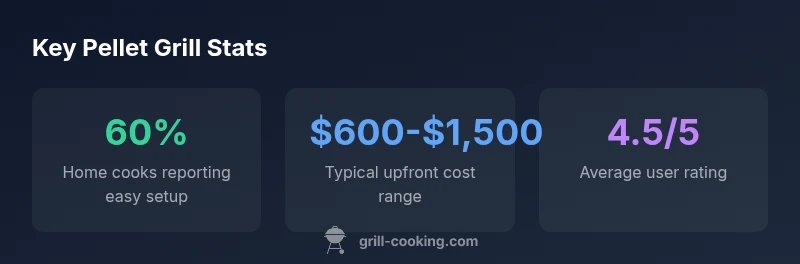
The upfront cost of a quality pellet grill generally falls in a mid-range band, with typical models ranging from several hundred to a bit over a thousand dollars. When you factor in pellets, expect ongoing fuel costs that vary with usage and pellet price. A common frame of reference is $15–$25 per 20-pound bag, enough for multiple cooks, depending on how often you grill and what you’re cooking. Over a year, pellet costs can add up, but you may recoup some savings via less fuel waste and more consistent results compared with charcoal. Maintenance expenses include regular cleaning, ash removal, and occasional replacement parts. The Grill Cooking team emphasizes that total cost of ownership should consider pellet consumption, clean-out frequency, and potential pellet flavoring choices, which can influence overall spend. If you grill several times weekly, a pellet grill can be a cost-effective option over time; if you only grill a few times a year, the math may tilt toward cheaper methods.
Cleaning, Maintenance, and Longevity
A pellet grill requires a routine to keep it performing well. After every cook, brush grates and wipe down surfaces; empty the ash from the burn pot and hopper as appropriate to reduce airflow restrictions. Periodic deep cleans pay off: remove and clean the interior panels, vacuum the fire pot, check auger for obstructions, and inspect gaskets for proper sealing. The pellet delivery system benefits from occasional lubrication or replacement of worn seals to prevent jams, particularly in high-humidity environments. Consistent cleaning reduces flare-ups and ensures the auger feeds pellets smoothly. The Grill Cooking team notes that a clean grill not only improves flavor and temperature stability but also extends the appliance’s lifespan. With proper care, pellet grills can provide year-round performance, making maintenance a worthwhile habit rather than a chore.
Cooking Versatility: From Pulled Pork to Pizza
Pellet grills excel across a wide range of cooking tasks. Smoke-curing racks for brisket or ribs, low-and-slow pork shoulder, and high-heat finishing for crispy chicken skin are all well within reach. Many models offer built-in pizza stones or convection features, letting you bake pizzas and casseroles with a wood-fired vibe. The flavor range is broad because you can switch pellet flavors to tailor the smoke profile: fruitwoods for lighter notes, and stronger woods for bold barbecue. For families and entertainers, a pellet grill becomes a versatile hub that handles everything from weekend BBQs to weeknight dinners. Grill Cooking’s perspective is that is pellet grill worth it when you want a single device that can smoke, bake, roast, and grill with consistent results, reducing the need for multiple specialized appliances in the outdoor kitchen.
Setup, Startup Time, Pellet Selection, and Feeds
Getting started with a pellet grill is straightforward, but the experience depends on model features. Most units ship with assembly instructions and a basic startup procedure. You’ll want to season the grill before first use, select a pellet flavor, and ensure the hopper is filled. Startup time is generally longer than gas grills but quicker than slow charcoal setups. Pellet selection matters: milder woods create lighter smoke; stronger woods produce a more assertive BBQ flavor. Consistency can hinge on using fresh pellets with low moisture content and storing bags to minimize moisture exposure. The Grill Cooking team suggests keeping a log of pellet brands and flavors you enjoy, as flavor preferences can vary by recipe and season. A well-maintained pellet grill is a reliable outdoor cooking workhorse for家庭 gatherings and weeknight meals alike.
Common Pitfalls and How to Avoid Them
Common pitfalls include pellet jams from damp pellets, temperature drift in windy or cold conditions, and inadequate cleaning that leads to buildup and performance issues. To avoid these, store pellets in a dry place, keep the hopper topped up, and regularly inspect the auger and burn pot for obstructions. Use high-quality pellets and avoid cheap blends that produce excessive ash or resin buildup. Windbreaks or insulated covers can stabilize temps in cooler climates, while preheating and proper sealing help maintain even heat. For best results, calibrate your grill’s temperature with a reliable instant-read thermometer and follow manufacturer recommendations for cleaning intervals. The Grill Cooking team emphasizes that awareness and proactive maintenance reduce surprises and improve long-term satisfaction with your pellet grill.
Is It Worth It for You? A Practical Decision Framework
To decide if a pellet grill is worth it, map your cooking style against the device’s strengths. Are you chasing easy, repeatable results and a broad flavor profile? Do you grill frequently enough to justify ongoing pellet costs? If so, a pellet grill is likely worth it; if your priority is the fastest possible sear or the lowest upfront cost, you may prefer gas or charcoal. Consider your outdoor space, how often you entertain, and whether you want a single, versatile tool for smoking, roasting, and grilling. Grill Cooking’s framework recommends a clear test period: try one of the mainstream models in an online or local showroom, as hands-on experience will validate your expectations about flavor, ease of use, and maintenance needs. Your decision should align with your cooking cadence, flavor goals, and budget for both upfront and ongoing fuel costs.
Strengths
- Hands-off operation with consistent temps
- Versatile cooking: smoking, roasting, baking, and grilling
- Better for beginners due to automated controls
- Predictable flavor with pellet variety
Negatives
- Higher upfront cost than basic grills
- Ongoing pellet costs add to long-term spend
- Not all models excel at ultra-high-heat searing
- Pellet quality and humidity affect performance
Pellet grills are worth it for most home cooks who value convenience and flavor versatility.
Overall, pellet grills offer reliable temperature control and a broad cooking toolkit. The upfront cost and ongoing pellet use are the main trade-offs. For frequent, varied cooks, the long-term value justifies the investment.
FAQ
Is a pellet grill easier than charcoal?
Yes. Pellet grills automate temperature control and pellet feeding, reducing hands-on attention. Charcoal generally requires more manual adjustment and fuel management, especially for long cooks.
Yes. Pellets make it easier to maintain temperature, while charcoal needs more fiddling to keep a steady fire.
Can I sear well on a pellet grill?
Many pellet grills can sear effectively, especially those with dedicated searing zones or high-heat settings. If your primary goal is searing, verify model specs and consider accessories that boost direct heat.
Yes, but check the model’s high-heat capability or add a sear station.
What maintenance does a pellet grill require?
Regular cleaning of grates, grease, and ash is essential. Periodic interior cleaning, checking gaskets, and inspecting the auger help prevent jams and ensure consistent performance.
Keep it clean and inspect seals; maintenance pays off in better flavor and reliability.
Do pellet grills use a lot of pellets?
Pellet consumption depends on cooking temperature, duration, and weather. Expect higher use during long cooks or high-heat cooking, but choose efficient models and optimize heat settings to minimize waste.
Pellets are your fuel—usage varies with how often you cook and at what temps.
Is a pellet grill worth it for beginners?
For beginners, yes—pellet grills provide forgiving temperature control and helpful features that reduce the learning curve. If you’re budget-conscious or only grill occasionally, consider starting with a simpler setup.
If you’re new to grilling, a pellet grill can be a smart, forgiving entry point.
How does a pellet grill compare to an offset smoker?
Pellet grills offer more consistent temps and easier operation, while offset smokers deliver classic low-and-slow flavor with more hands-on control. Your preference for automation or hands-on feel will guide the choice.
Pellet grills are easier to use; offset smokers offer more traditional technique and flavor control.
Quick Summary
- Try pellet flavor profiles to tailor smoke
- Budget for pellets and maintenance in yearly costs
- Choose models with solid searing options if high-heat is essential
- Maintenance and cleaning are key to longevity
- Assess your cooking cadence before buying